
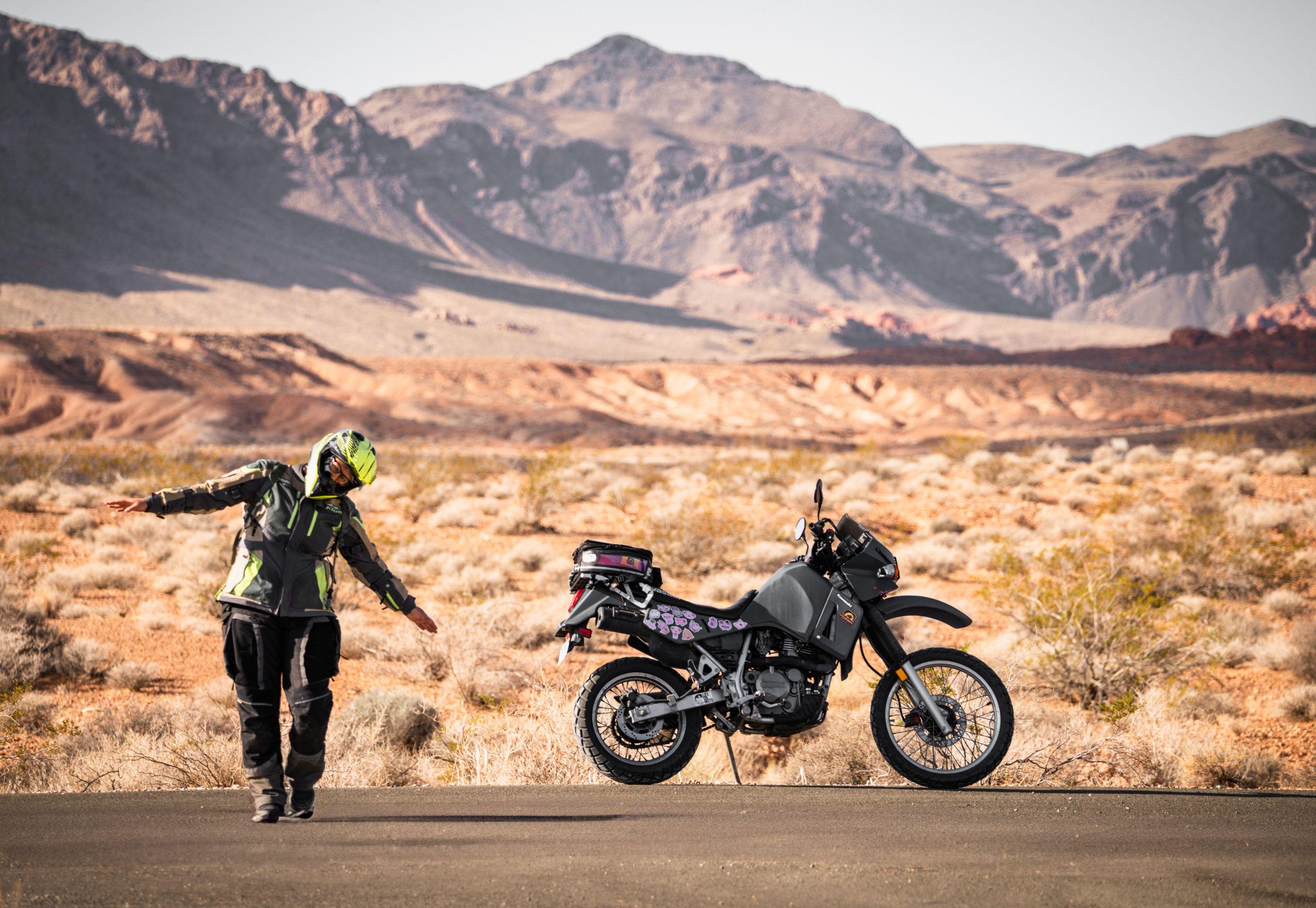
And here we are in Nevada – a state most commonly associated with Las Vegas, which glitters in the middle of the rugged Mojave Desert. Of course, we couldn’t miss out on visiting it either, although it wasn’t the “City of Sin” itself that impressed us the most. Let’s stick with it for a moment, though, because this is where we began our motorcycle journey through Nevada.
THE ENTERTAINMENT CAPITAL THAT NEEDS NO INTRODUCTION
It was already quite late; the sun had long since set below the horizon. The road, like most highways in the United States, was completely gridlocked despite having several lanes. Cars were at a standstill, people were honking nervously at each other, and we could hear ambulance sirens in the distance. And there we were, in the midst of all that traffic chaos, trying to squeeze our motorcycles forward to pass as many cars as possible. We tried to focus on the road, but we were surrounded on all sides by the colorful neon lights of tall hotels and casinos, drawing our eyes like a magnet. We looked around as much as we could, and it became increasingly difficult to tear ourselves away from this dazzling display of colors. The casinos tempted us with winnings, the billboards with unforgettable fun until dawn. Somewhere in the distance, the Eiffel Tower and the golden facade of the Bellagio Hotel flashed by – we knew this was the famous Las Vegas Strip – the heart of the city beating to the rhythm of music – a center of luxury and entertainment for the most discerning visitors. We drove on; our hotel was a bit off the beaten path, closer to another attraction for which Las Vegas is just as famous as the Las Vegas Strip.
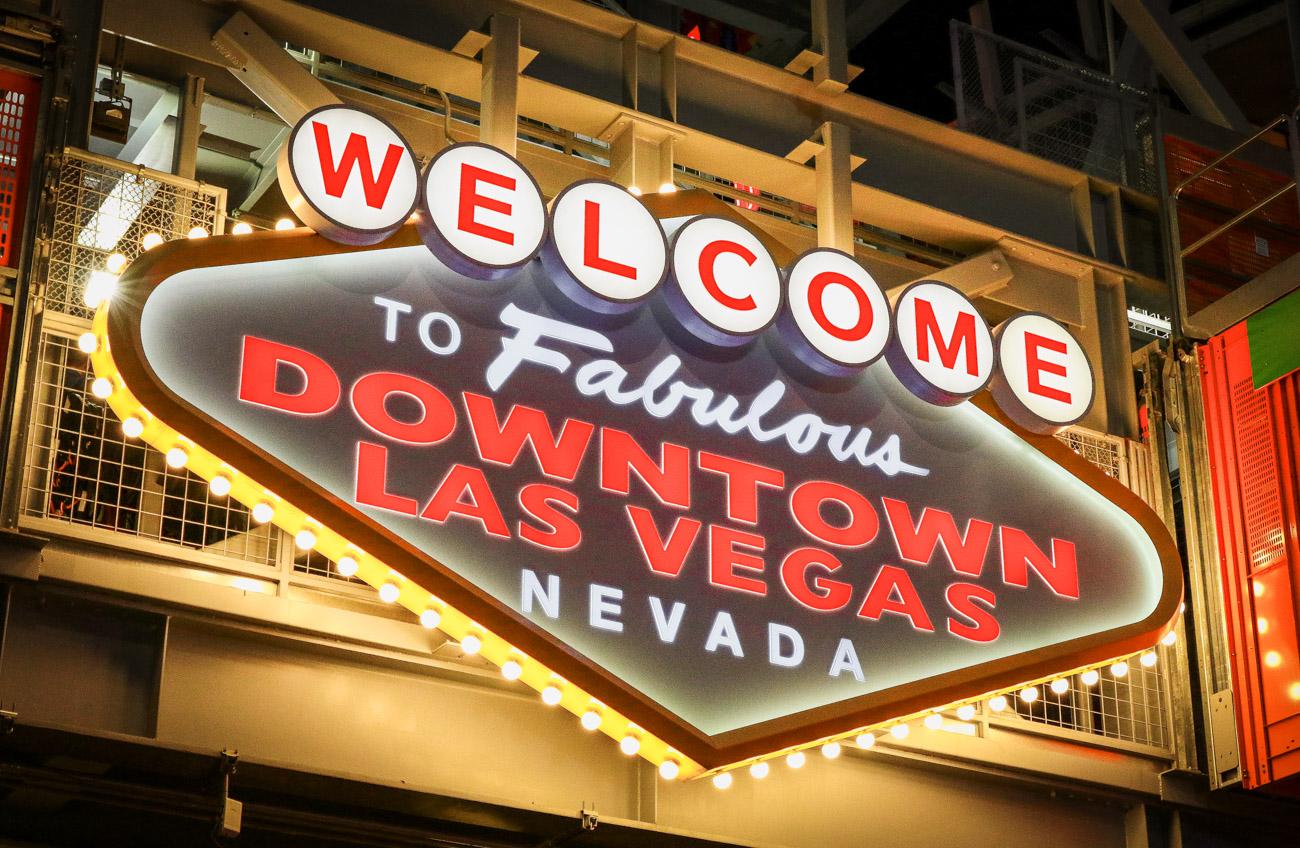
I’m talking about the Fremont Street Experience – a multimedia promenade located near Las Vegas’s old downtown. From the moment you step onto Fremont Street, you’re bombarded with colorful neon signs and flashing lights. It’s hard to focus your gaze on one spot, because the next one is already beckoning with its bright colors and the sound of winning coins, while smiling ladies and gentlemen invite you inside to discover the magical world of roulette, cards, and slot machines. We, however, keep walking, with our heads tilted upward, because it is on the tunnel-like vault of the promenade that the greatest spectacle takes place. Before our eyes, unknown galaxies and planets come to life, and rockets and space shuttles take off. Later, the entire ceiling is covered with a grid of geometric shapes, changing every moment like in a kaleidoscope, only to lose its sharpness a moment later and transform into fantastical fractals. Once the initial awe had passed, we also began to notice what was happening a little lower down.
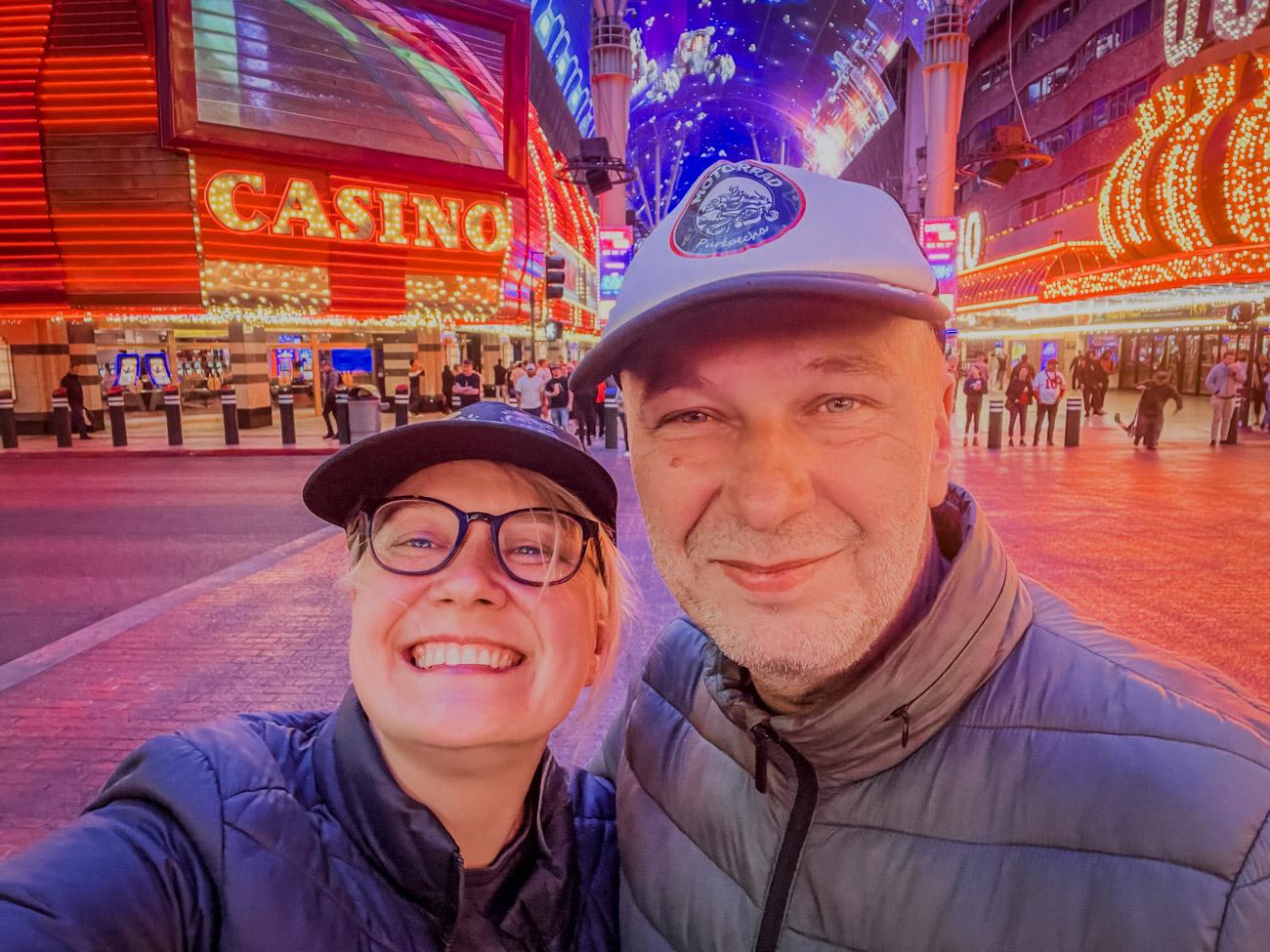
And there was just as much going on down below, which was in no way outdone by what was happening above. The procession of tourists mingled with colorful artists, dancers, musicians, people in costumes, and men and women in skimpy outfits, each of them trying to stop us for a moment, catch our eye, and pique our interest. Some were there for the art, eager to share their work; others were there to make a living. The whole scene, together with the striking vaulted ceiling, created a living, one-big-performance unfolding before our eyes, which lasts until the neon lights fade in the morning glow. Then, as if by magic, all the magic, charm, and glitz of this place vanish, leaving behind gray, dirty streets full of trash and homeless people – mostly those who ran out of luck when they bet their entire fortune on a single card.
WHERE A MAN CHALLENGED THE COLORADO RIVER
In Las Vegas, it’s easy to forget that normal life exists alongside it. The golden facades of hotels, crystal palaces, casino signs sparkling in the distance like diamonds, illuminated fountains, and parks filled with sculptures and art all captivate our minds and make us instantly succumb to this magic. We step into this carefree and fantastical world where no problems exist. But this is only the beautiful face of this city – putting on a brave face. For Las Vegas, situated in the middle of the Mojave Desert, it is not banknotes and gold that are most precious, but water. And that is slowly running out, and we saw for ourselves just how much, standing in shock on the Hoover Dam.
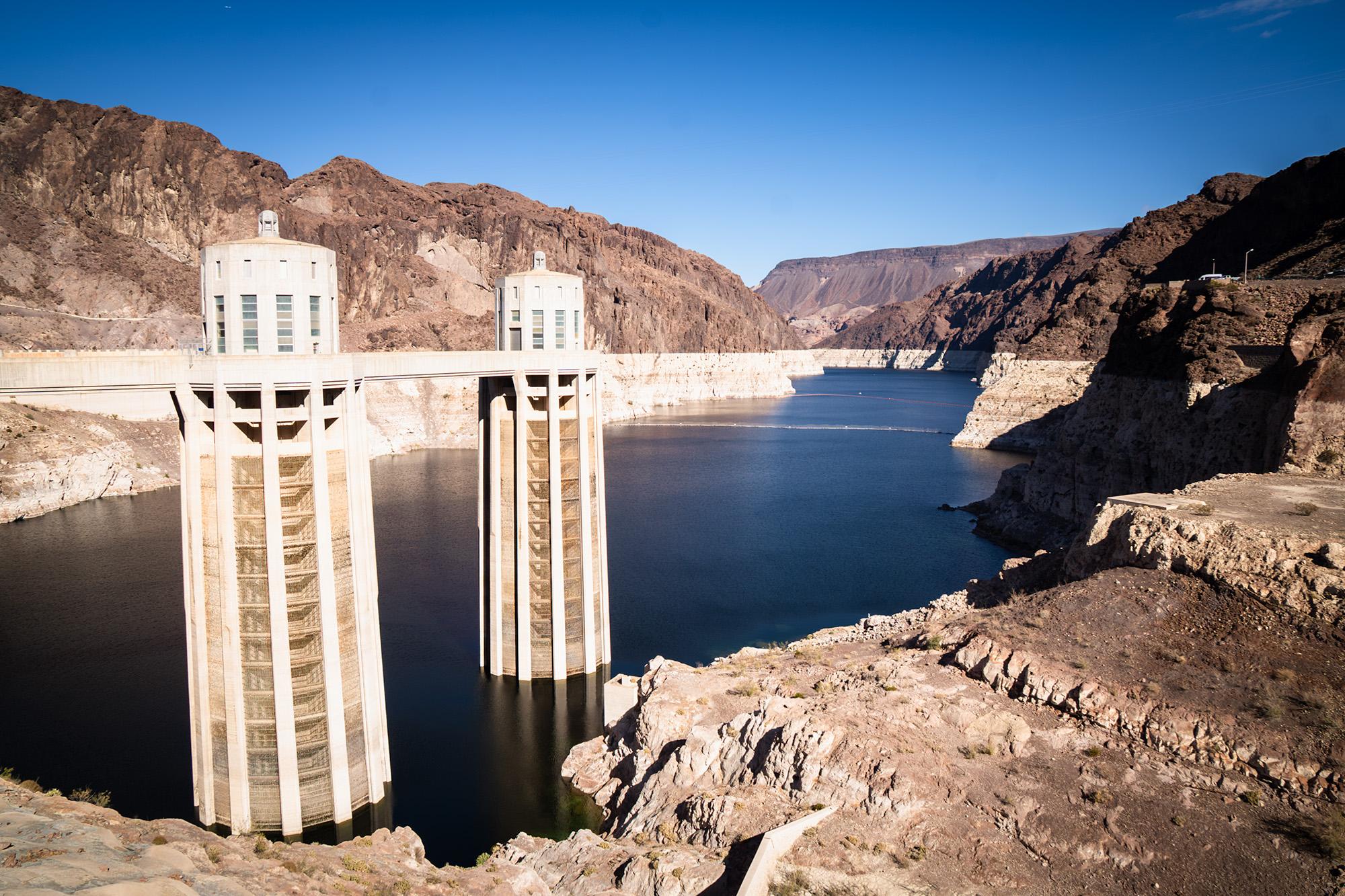
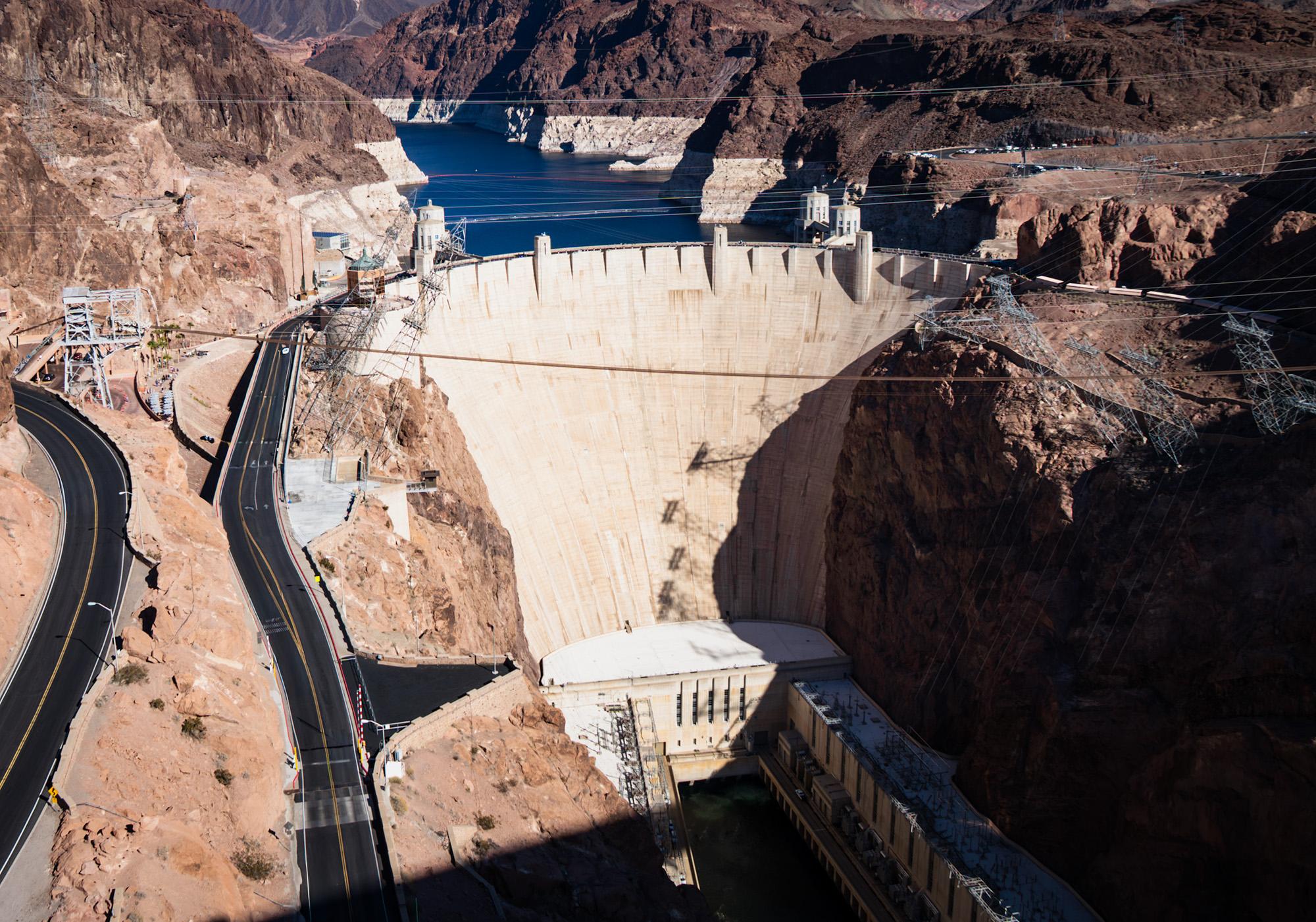
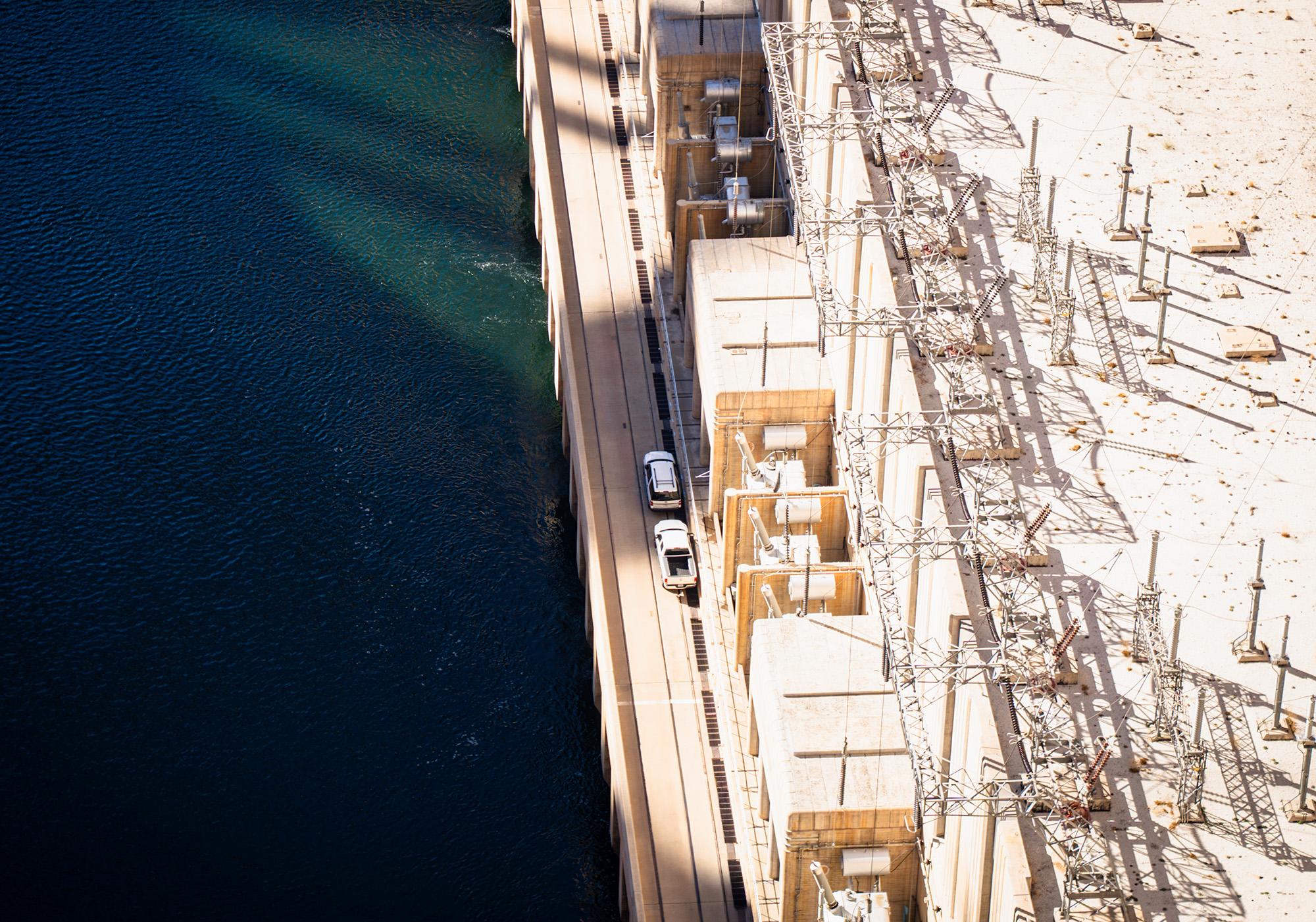
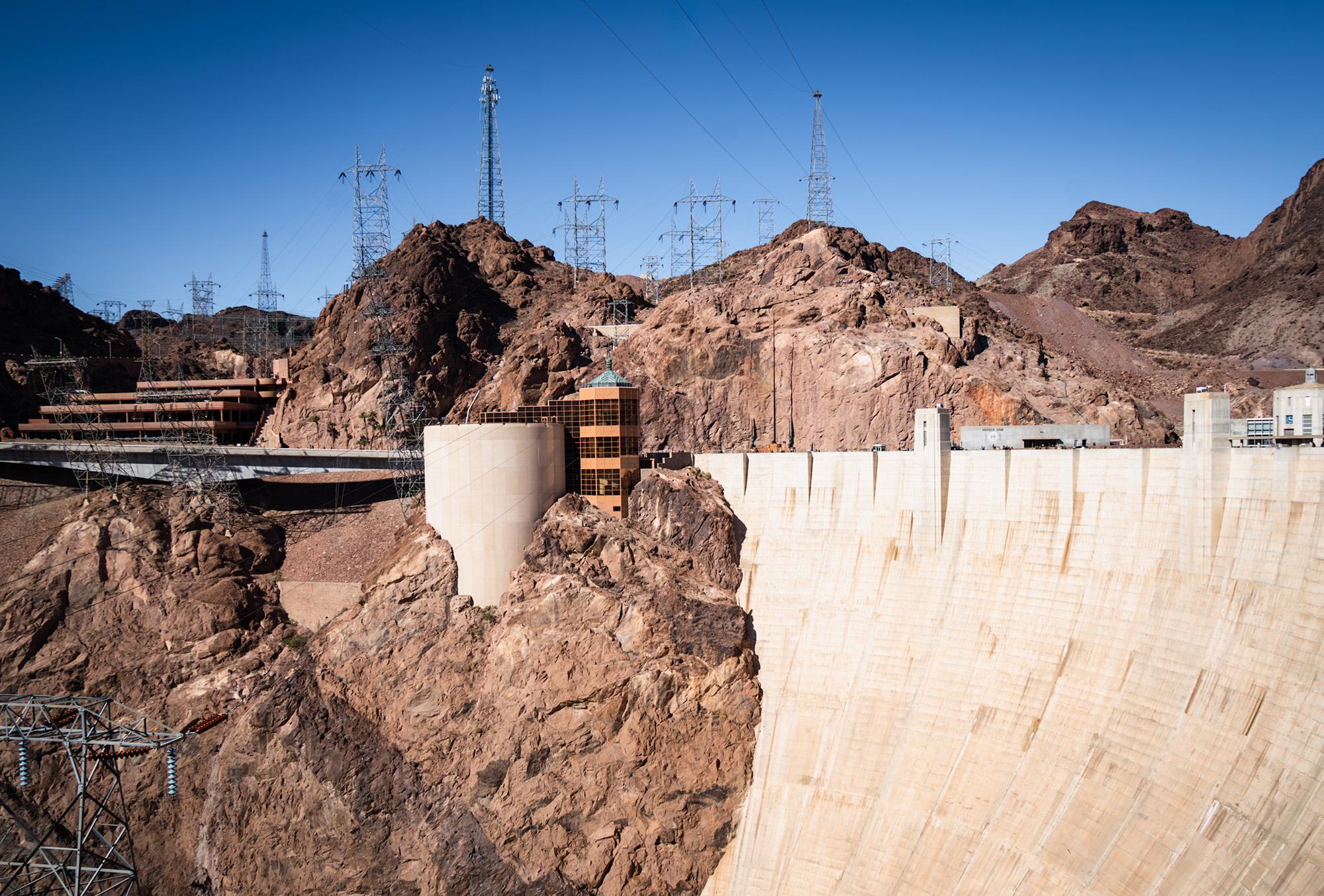
Many of you have probably heard of the Hoover Dam. In its day, it was the largest concrete dam in the world, as well as the largest hydroelectric power plant, hailed as the eighth wonder of the world. It was built over the course of five years on the Colorado River, on the border between the states of Arizona and Nevada. When the Colorado River was dammed, the slow filling of Lake Mead began, which formed on the flooded lands. This process took about six years, and during that time, the river practically stopped flowing in its lower reaches. Lake Mead holds over 35 billion cubic meters of water, and the dam’s hydroelectric power plants generate enough energy to meet the needs of approximately two million households, primarily in Southern California, Arizona, and Nevada, as well as Los Angeles and even parts of Mexico. Even today, these figures are truly impressive.
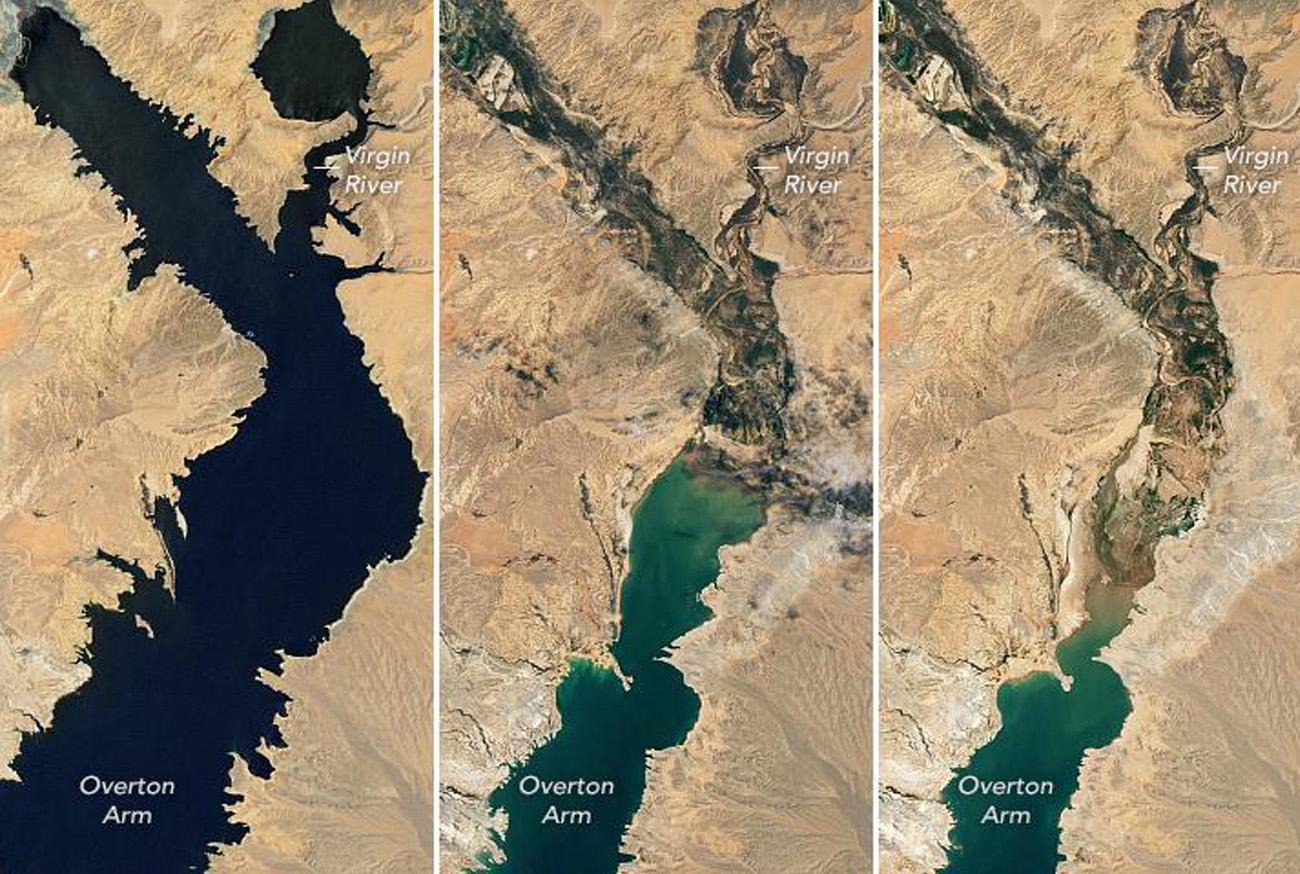
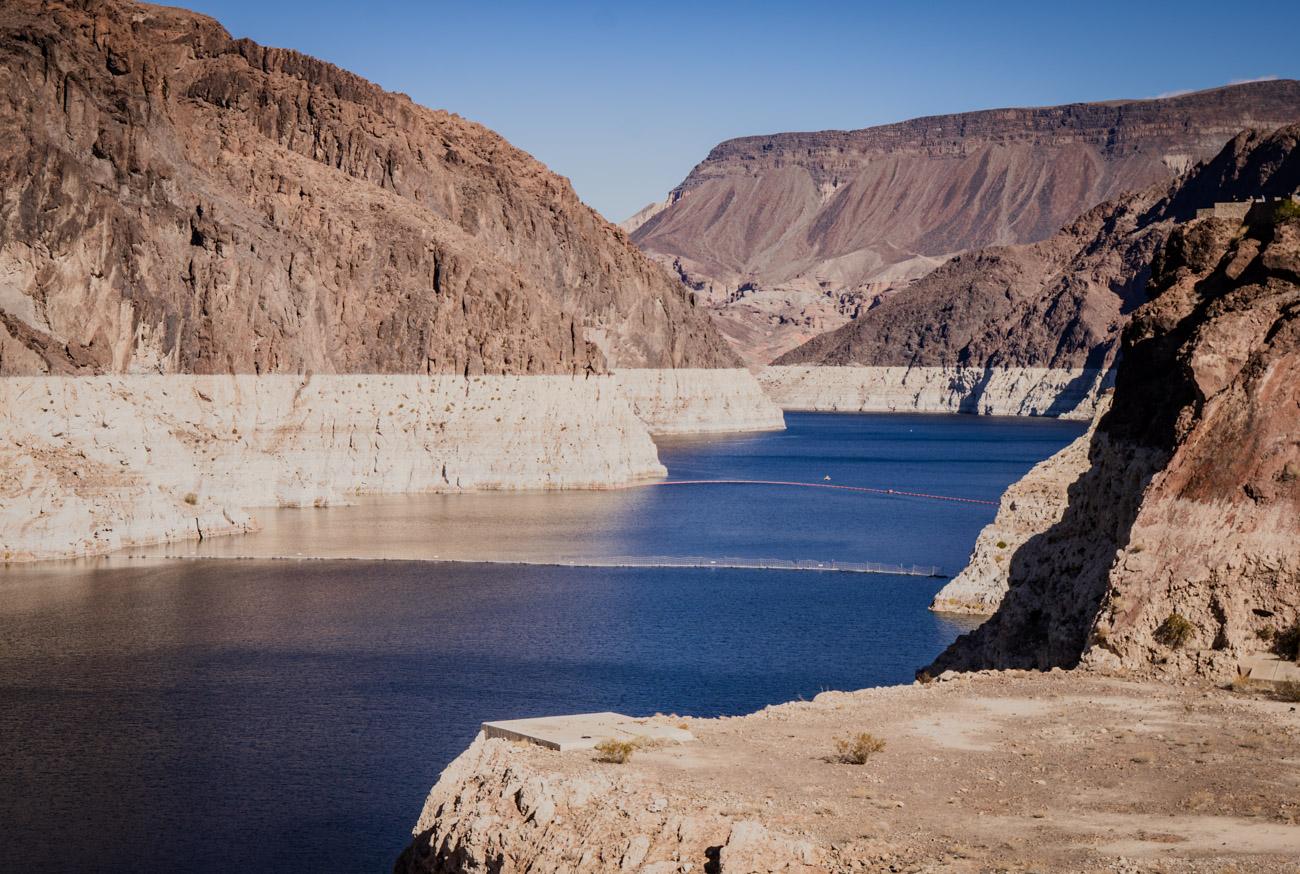
However, even more shocking is the decrease in the lake’s water level. In 2020, Lake Mead reached just 35% of its total capacity. In 2021, the U.S. government declared a water shortage on the Colorado River for the first time in history. In 2023, the lake’s water level was the lowest it had been in 30 years. Scientists are sounding the alarm; water use restrictions have already been implemented, as well as numerous programs to promote water recycling, but only the coming years will show whether these measures will be sufficient.
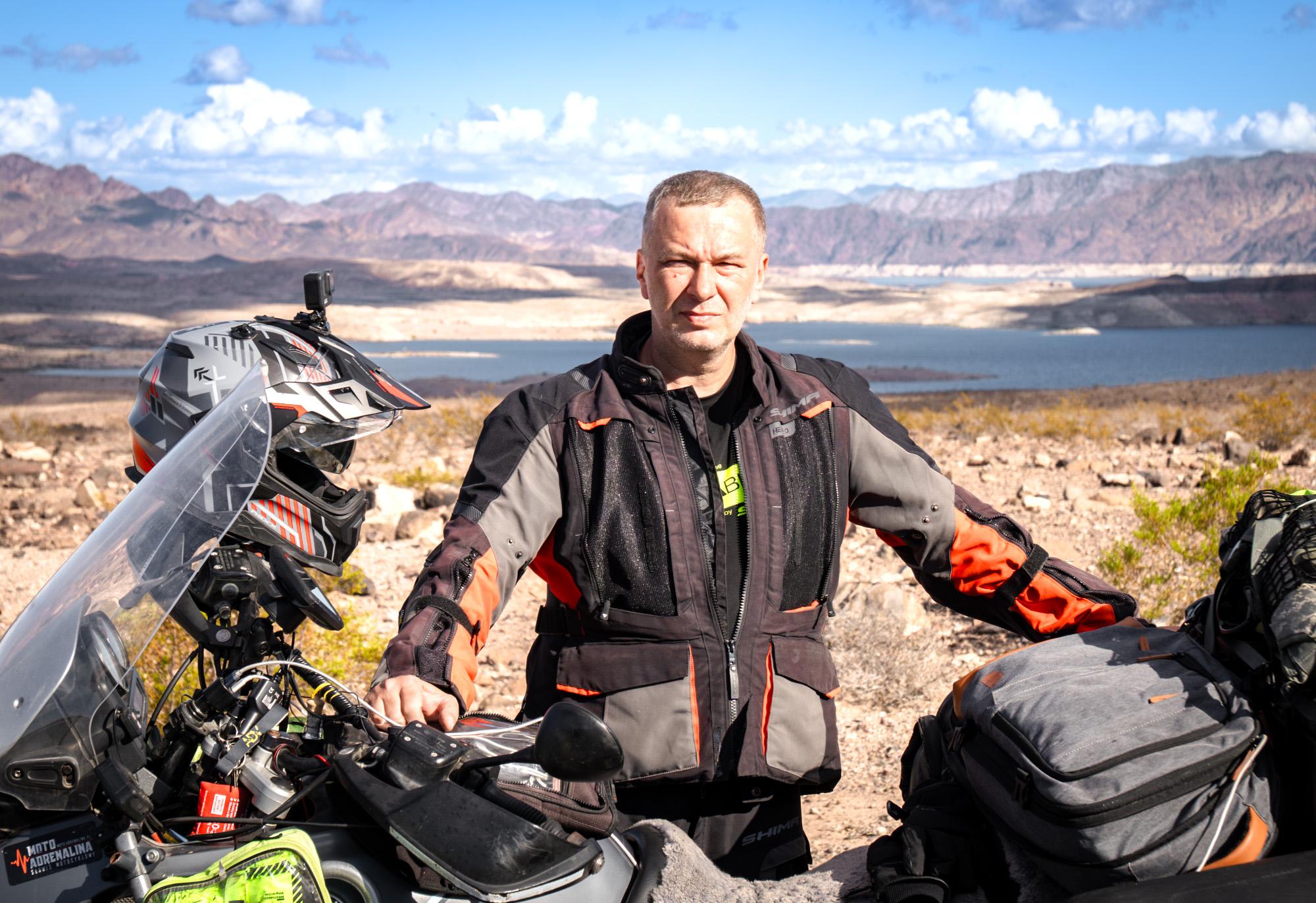
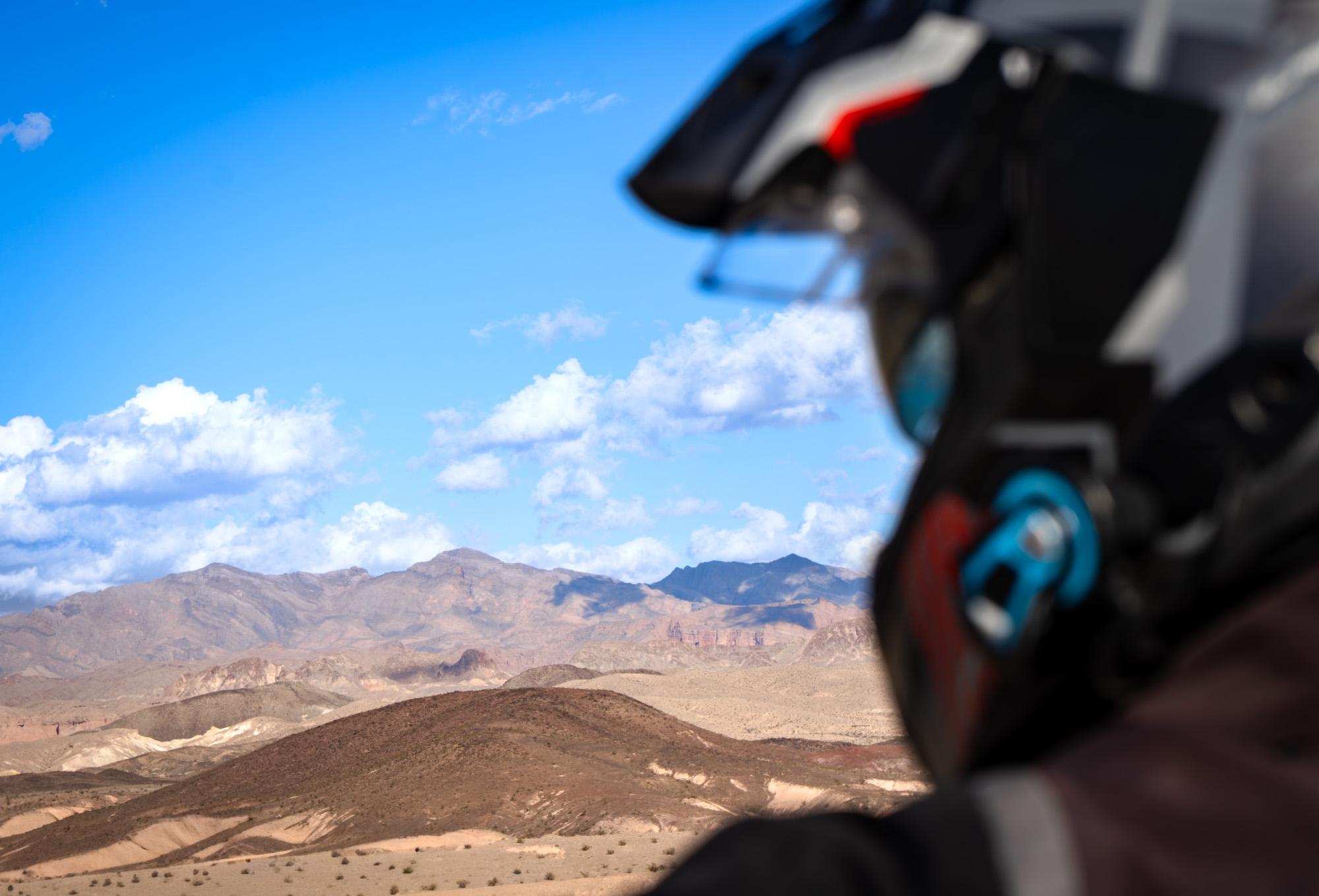
LAKE MEAD – THE BLUE HEART OF THE DESERT
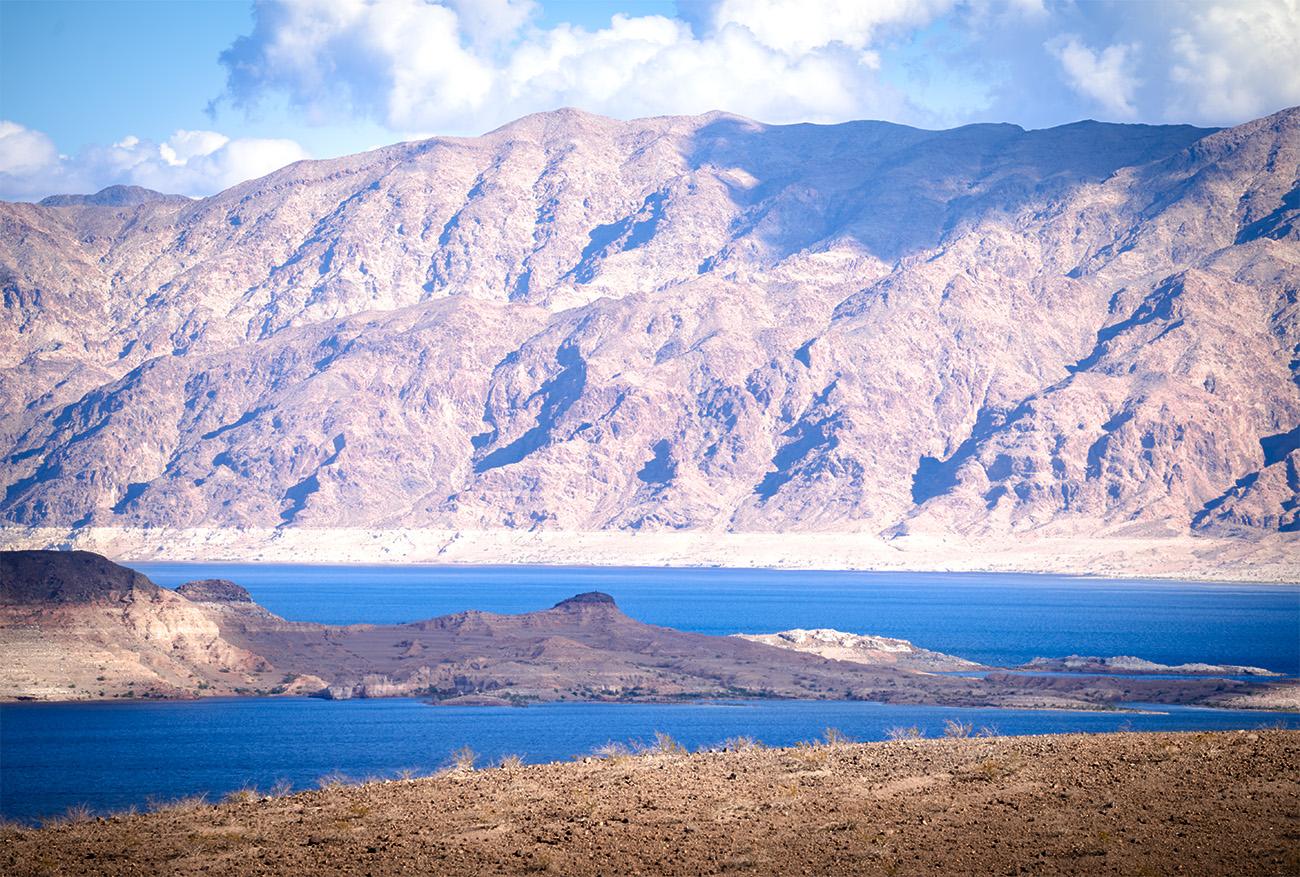
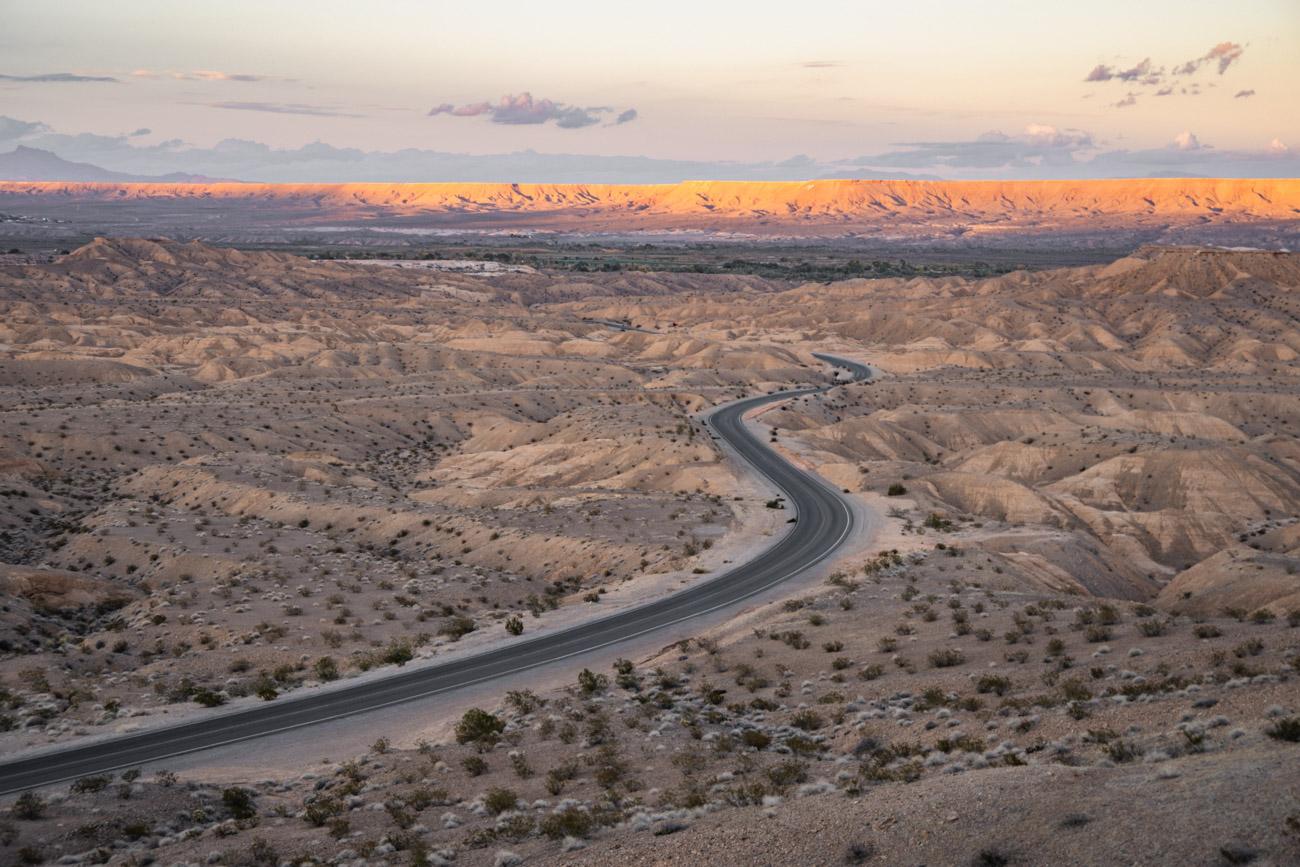
After spending a couple of fairly intense days in Sin City, we quickly began to long for nature, so we were relieved to say goodbye to crowded Las Vegas and headed toward the nearby state park – Valley of Fire – to catch our breath and relax in the great outdoors. We could have taken the fastest route and reached Valley of Fire that very same day, but instead we chose the second option. We spent that night at a campground by Lake Mead, and the next day we set off along the black ribbon of asphalt that is the picturesque Route 167. On one side, we were surrounded by the stunning azure waters of Lake Mead, and on the other, we passed through desert expanses stretching far into the horizon, past sun-baked mountains. After a while, the blue of Lake Mead disappeared behind us, and we drove into a dry land of rust-colored canyons and towering rocks.
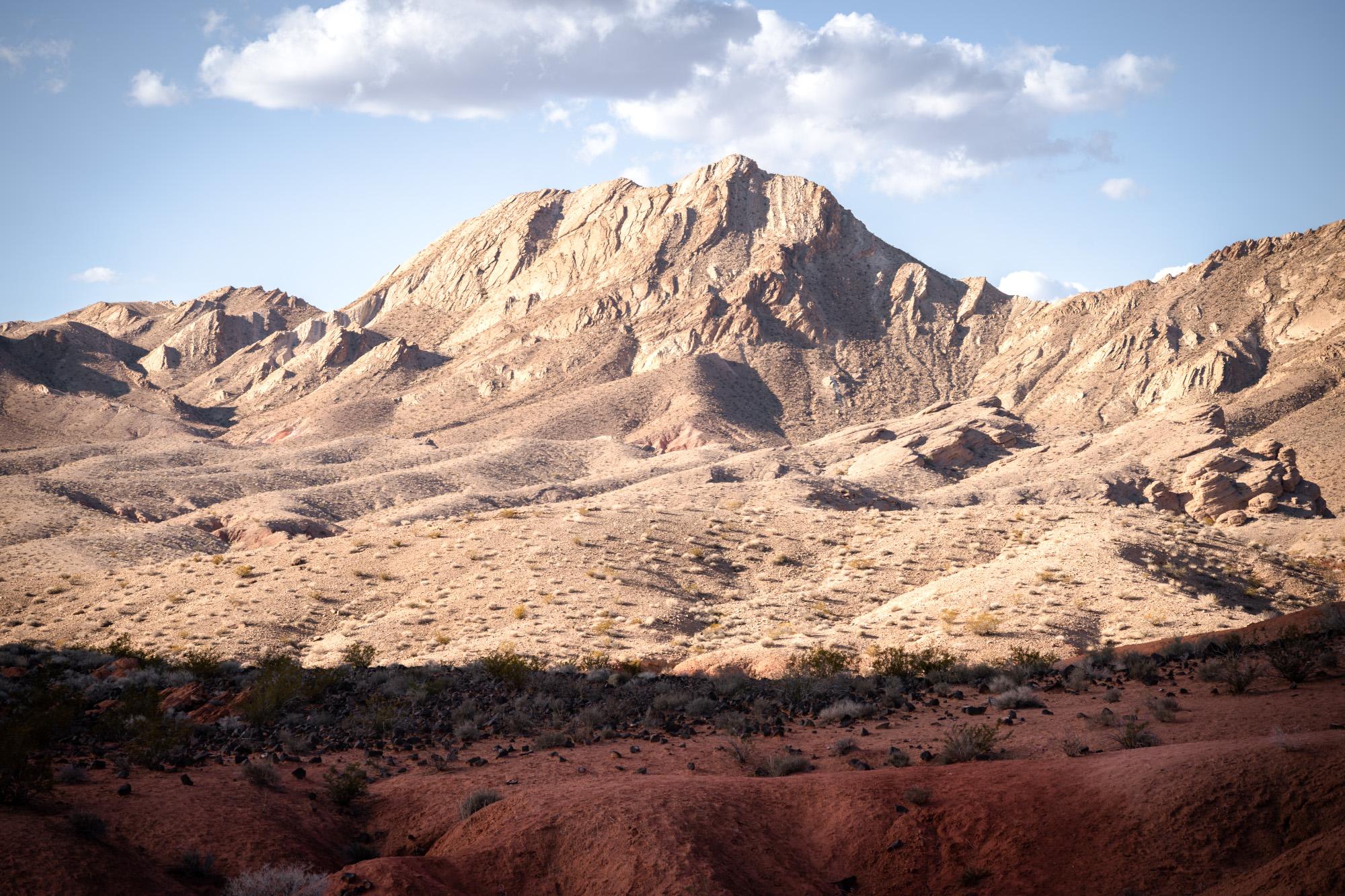
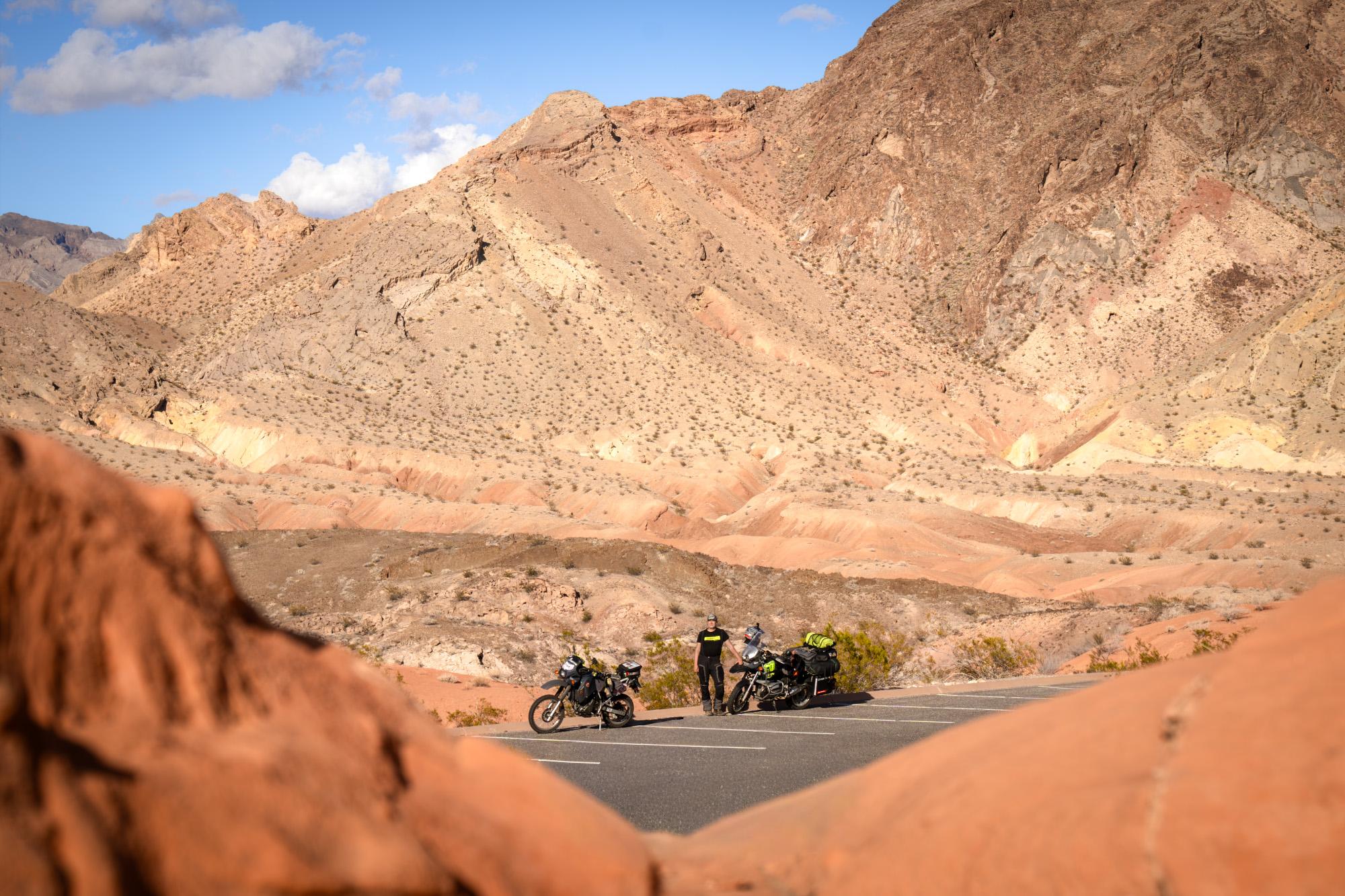
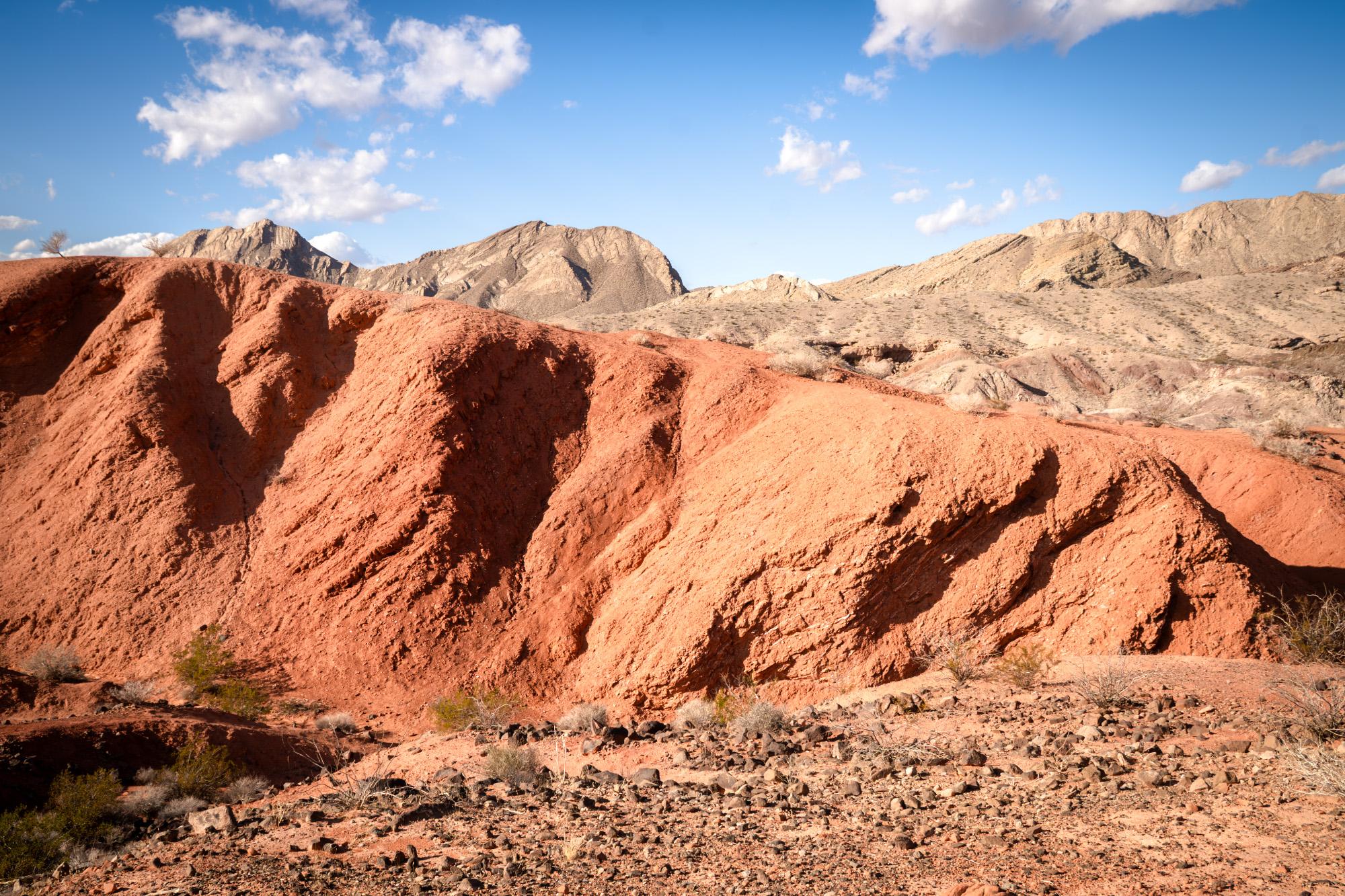
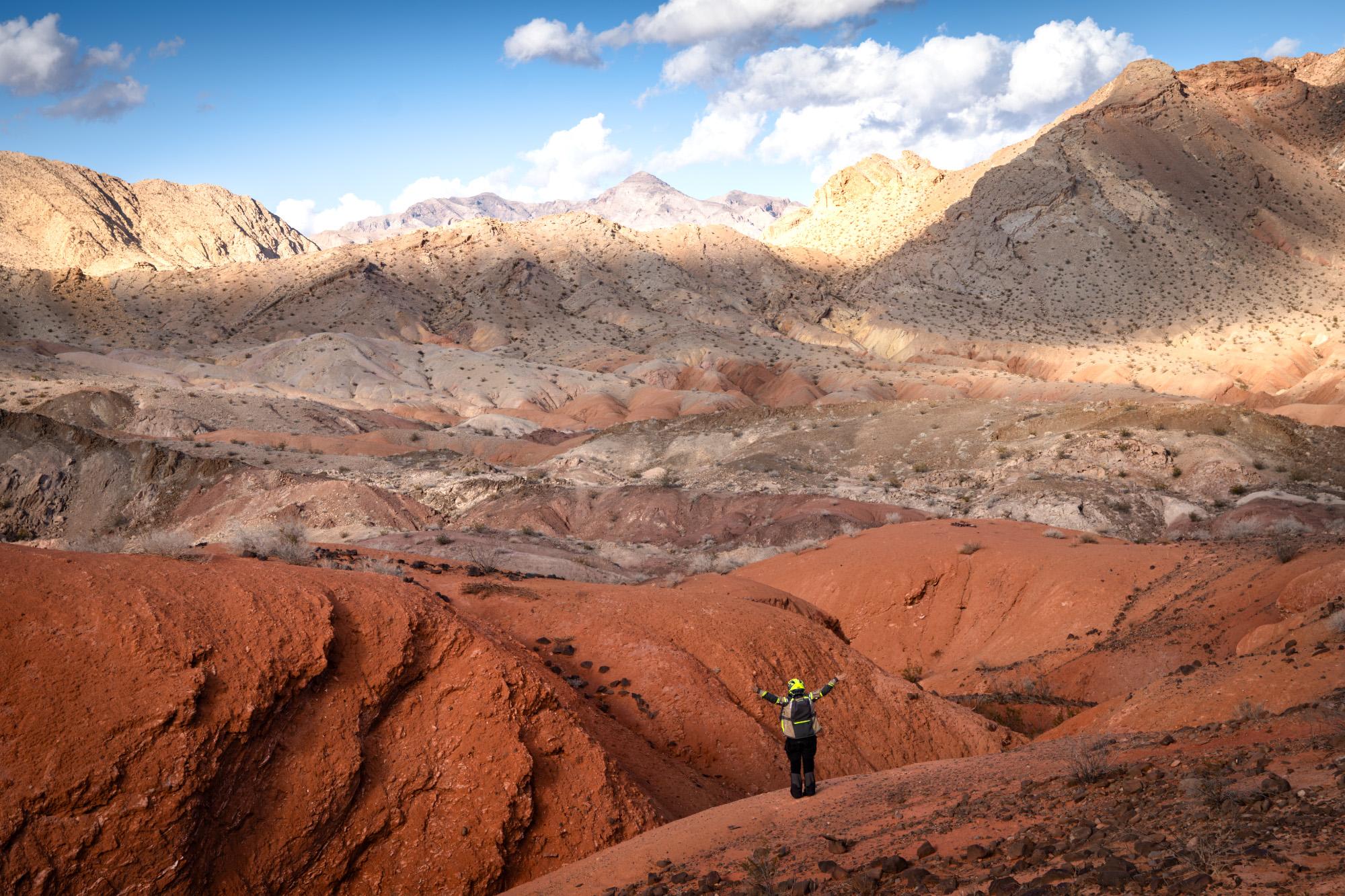
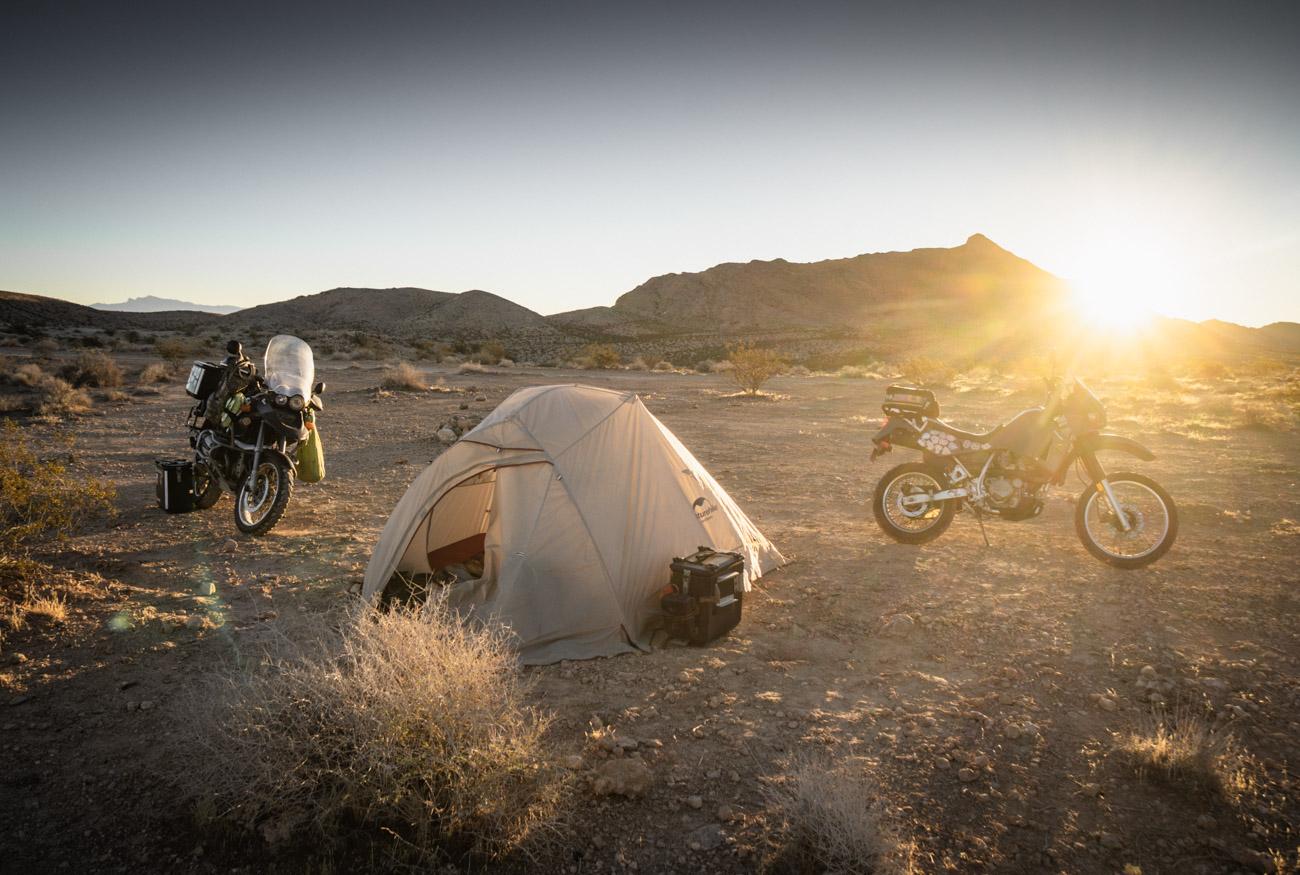
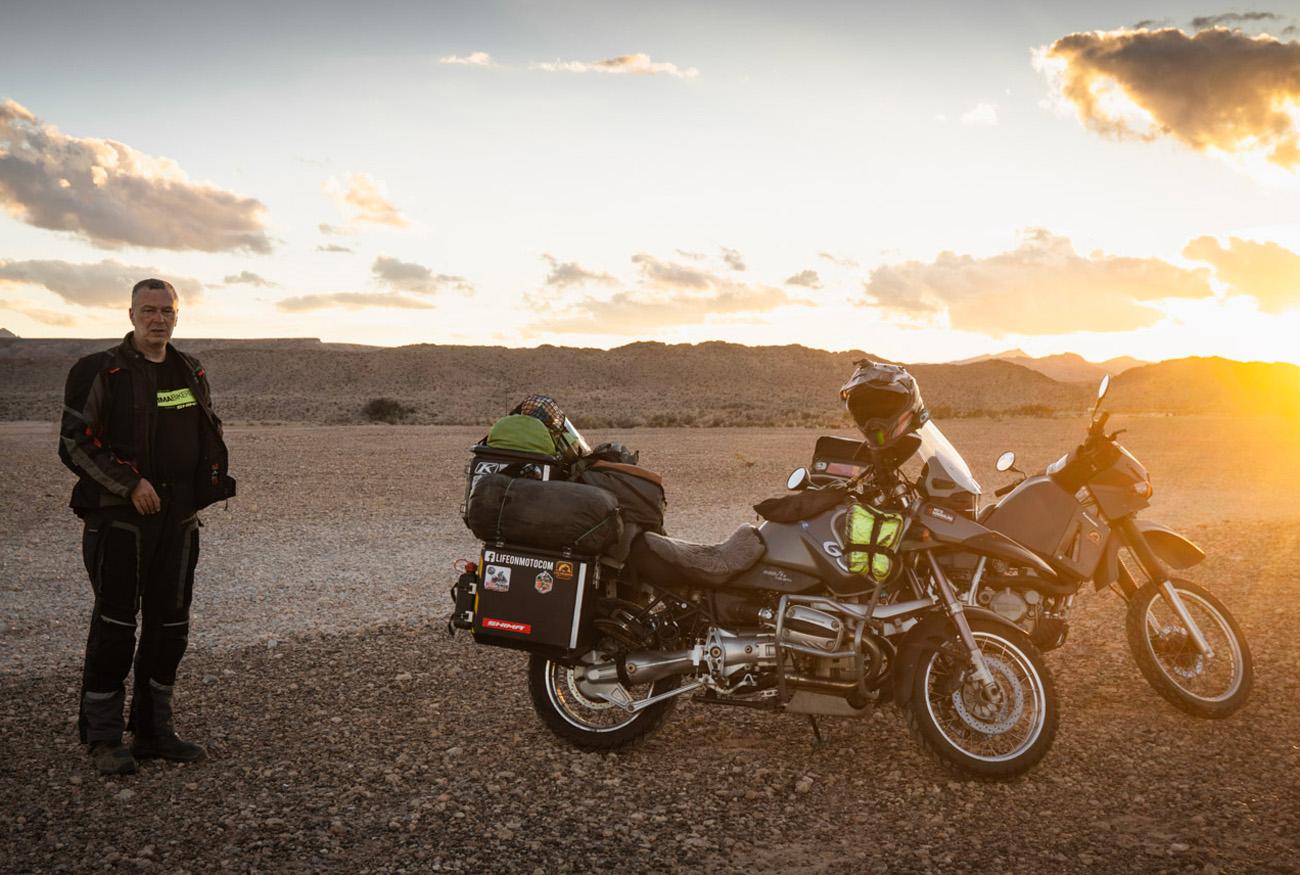
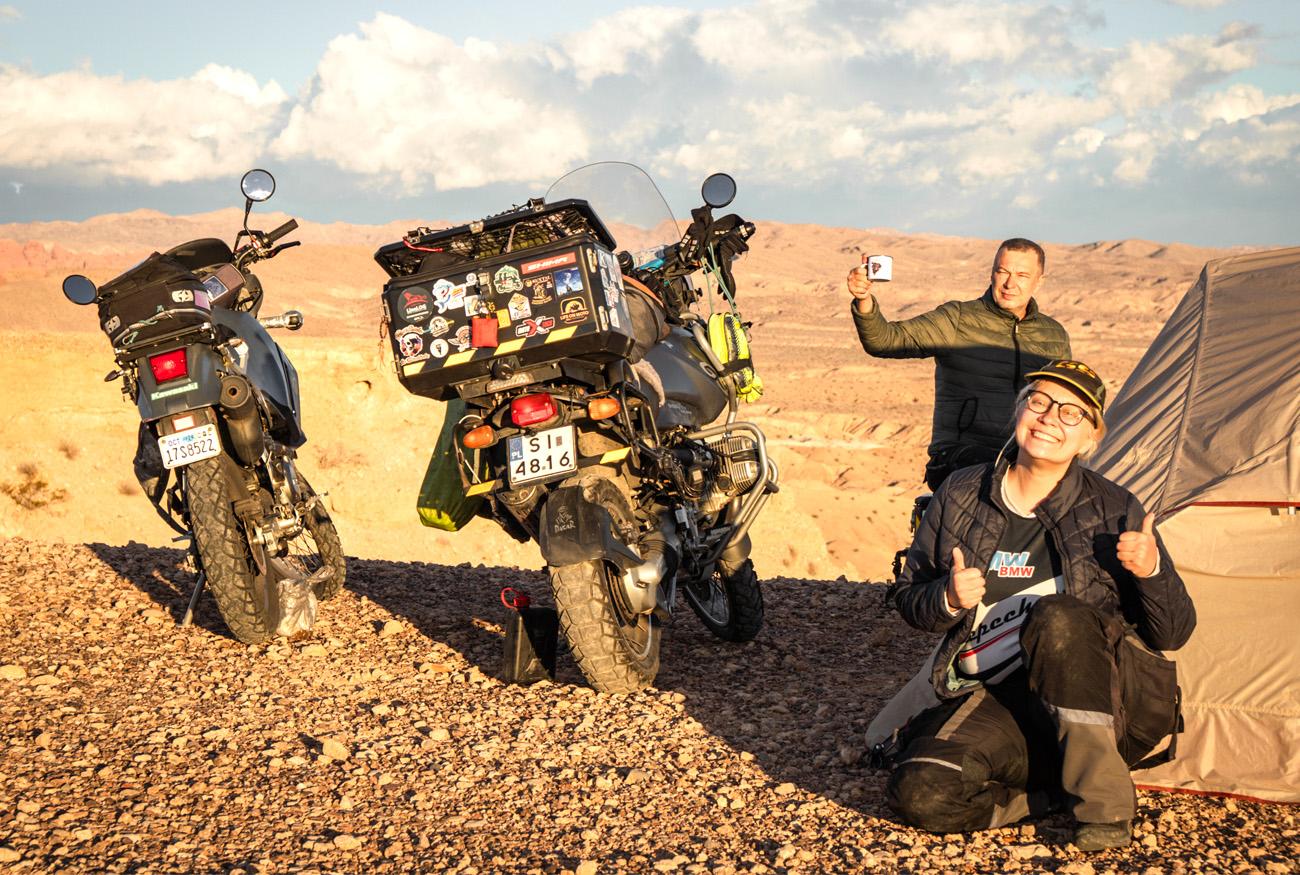
We were so enchanted by this land that we didn’t even notice when the sun began to slowly set, bathing the world in deep shades of orange. For us, this was a sign that it was time to begin our evening ritual. First, we found a place to stay, then a small shop to stock up on supplies for dinner, and we filled up the motorcycles. Finally, we headed toward the BLM near the Valley of Fire, where we decided to spend the night so we could set off for the park at dawn. We arrived at our destination while a thin thread of sunlight still glowed in the sky; it soon faded, and millions of stars, sparkling above our heads, took over the sky.
RED ROCKS OF THE VALLEY OF FIRE
Valley of Fire State Park is the largest and oldest state park in Nevada. It was established as early as 1935, and its name perfectly captures what visitors can see there. We can admire these spectacular landscapes today thanks to the sandstones that were deposited here during the Jurassic period, over 150 million years ago. Over millennia, the oxidation of iron contained in the rock has given it a vivid shade of crimson and vermilion.
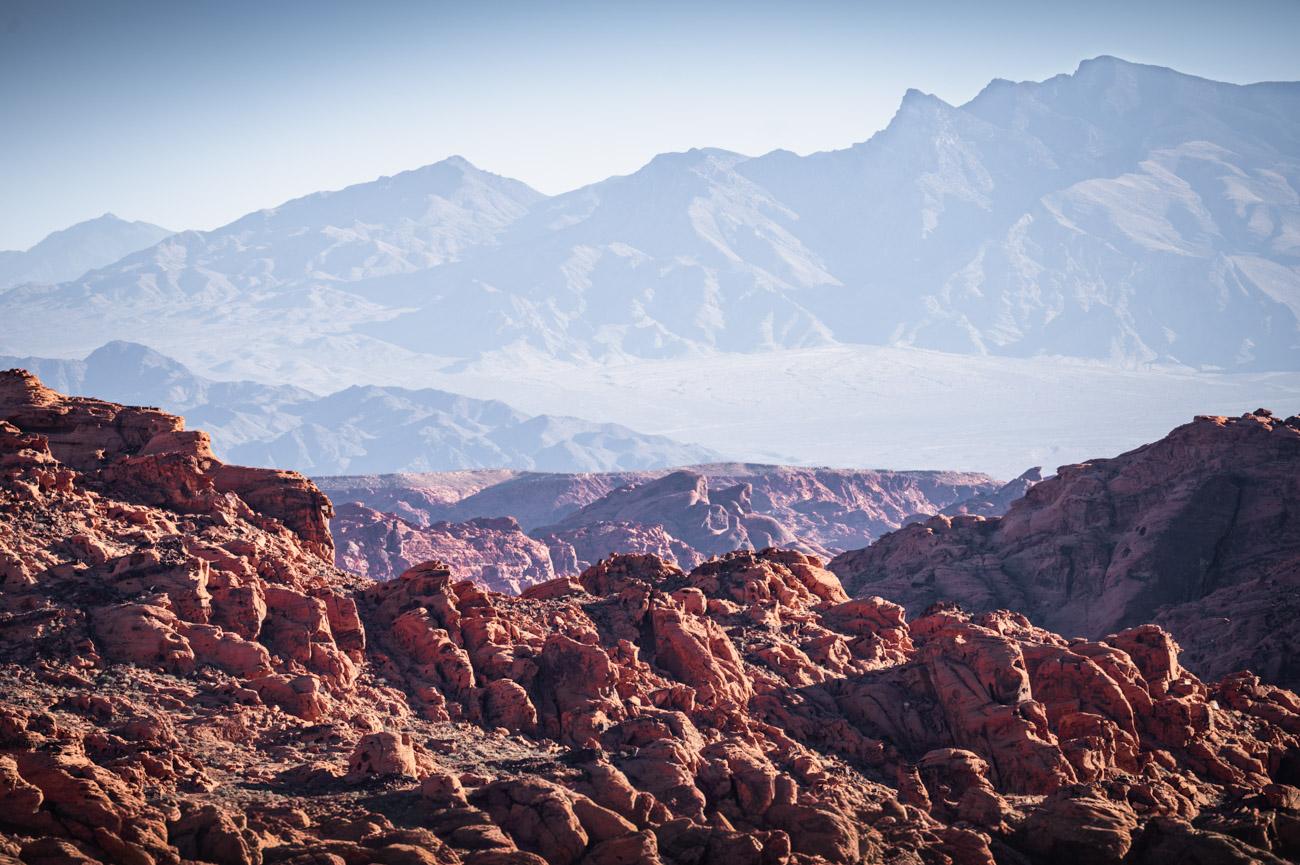
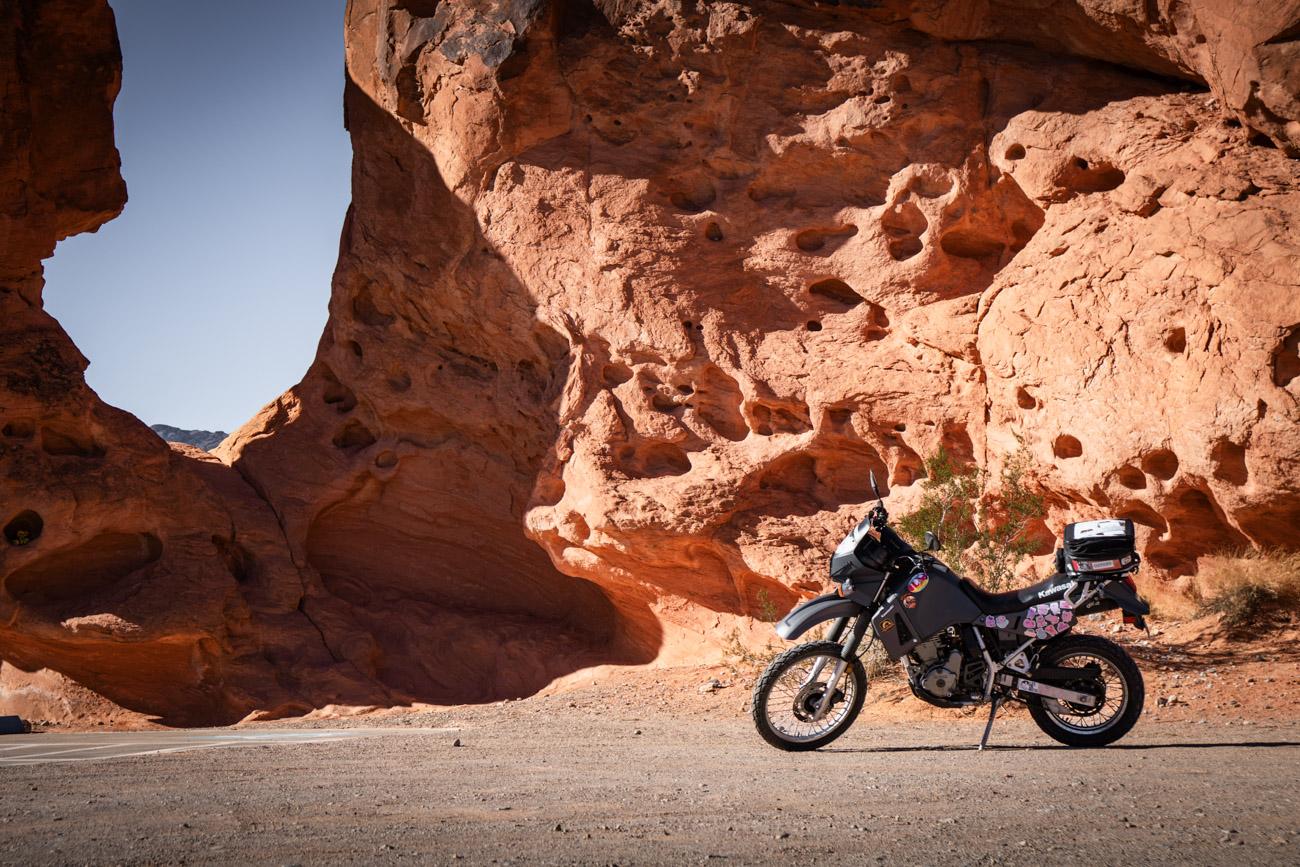
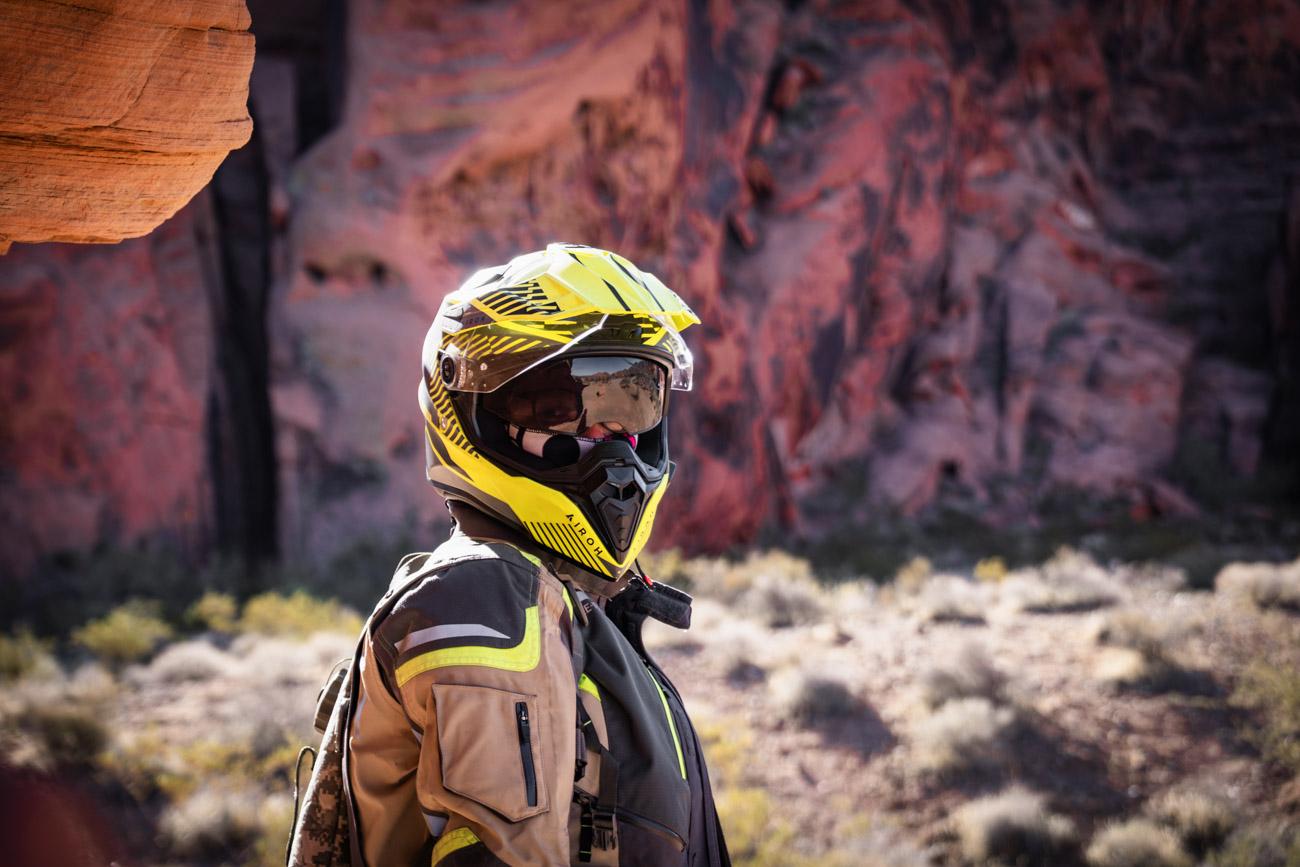
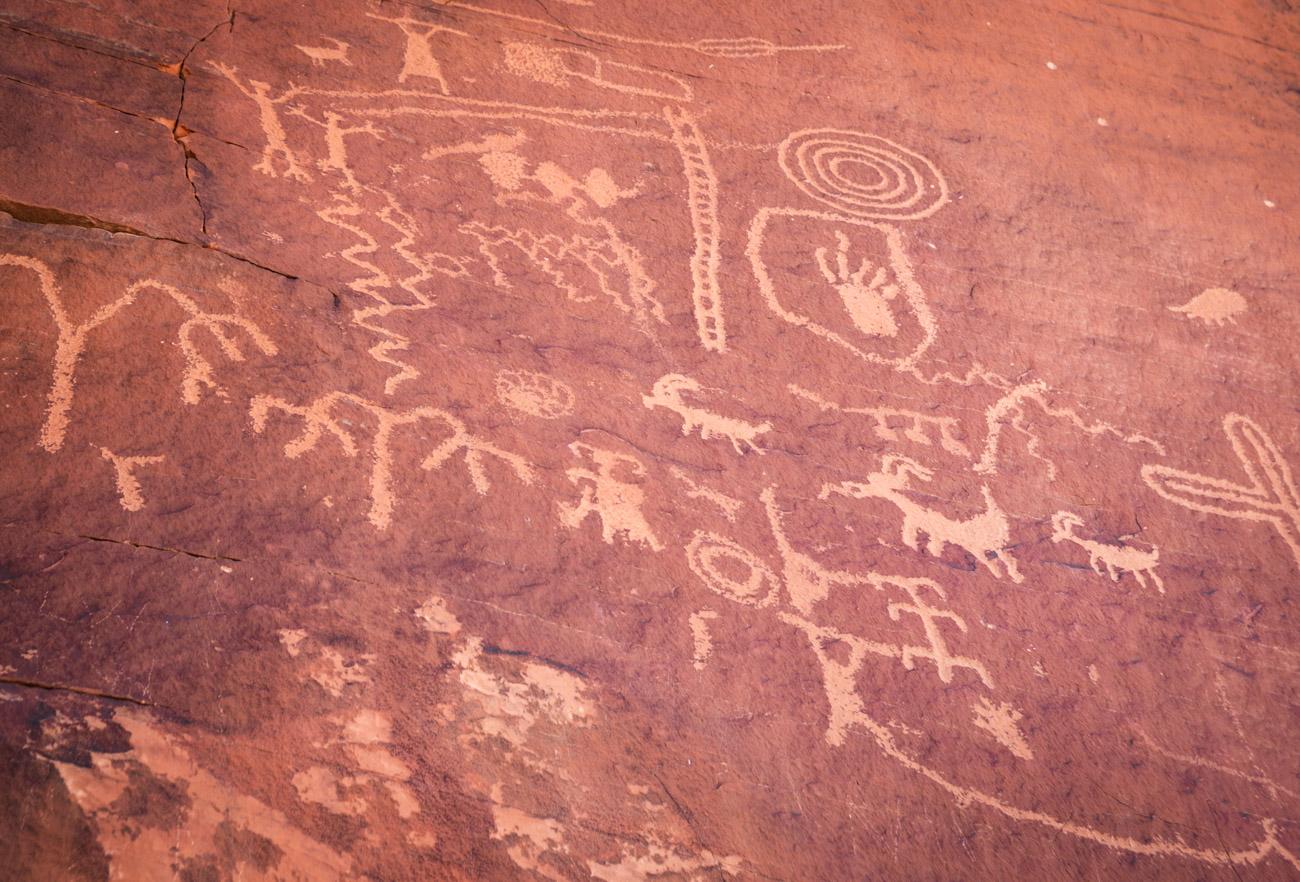
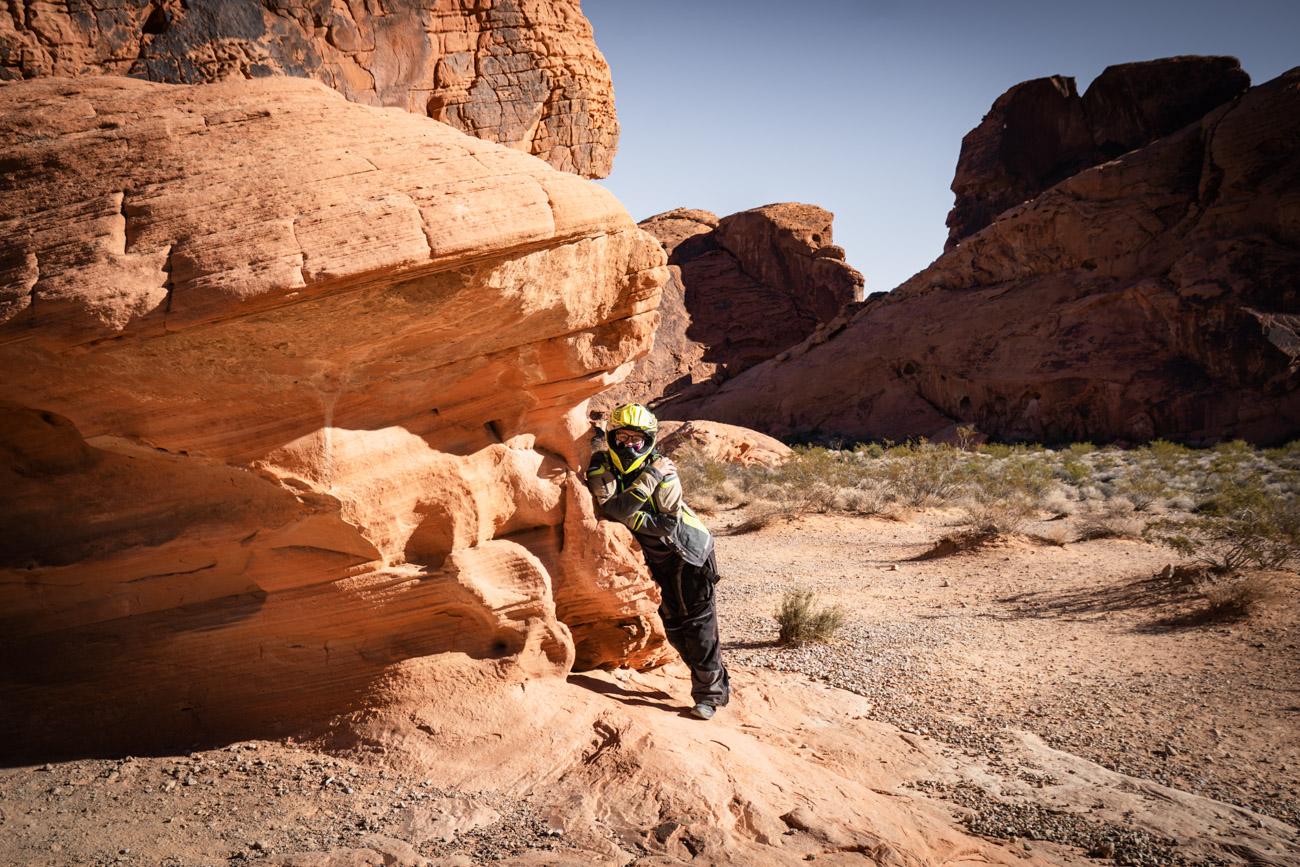
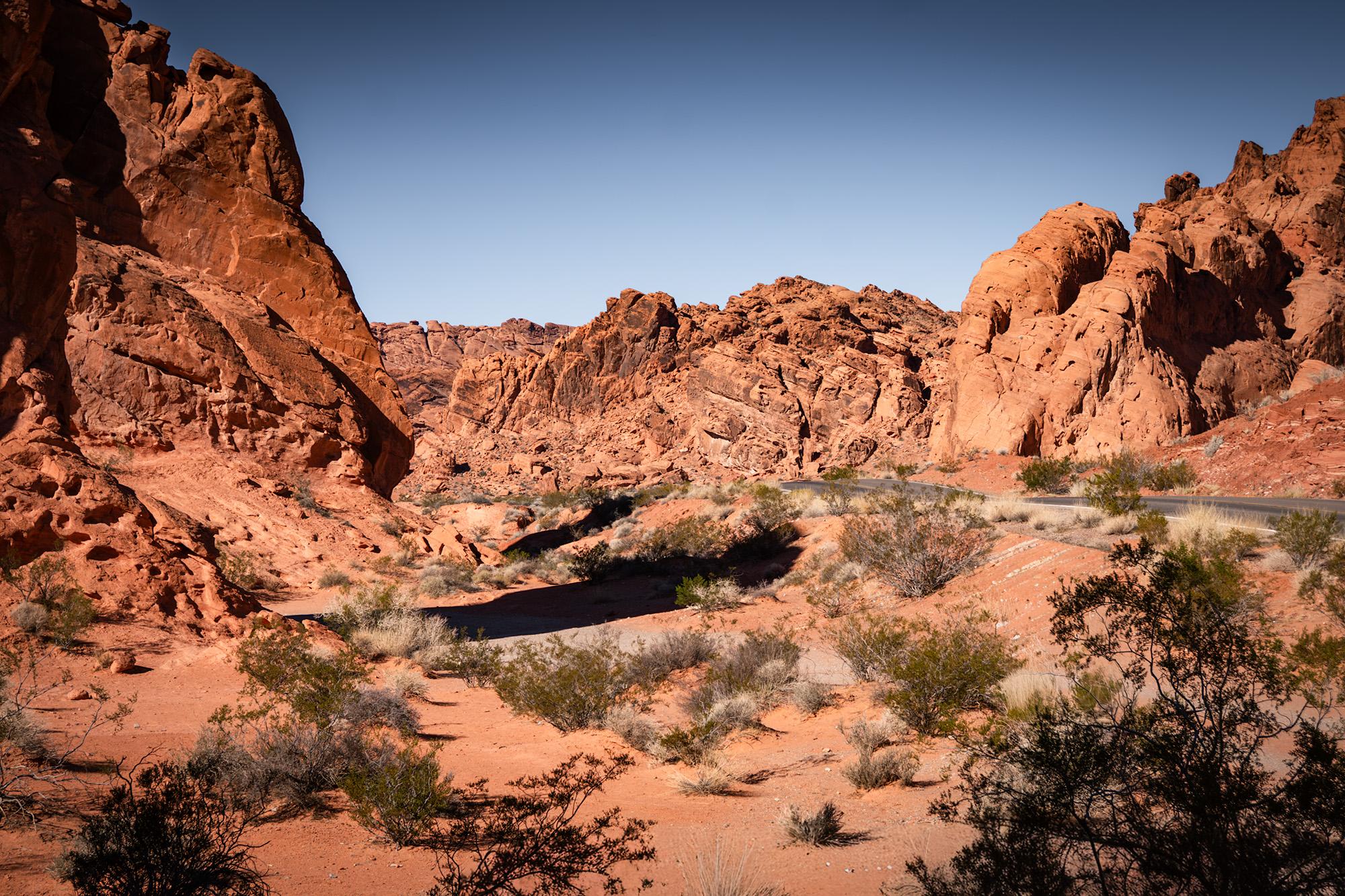
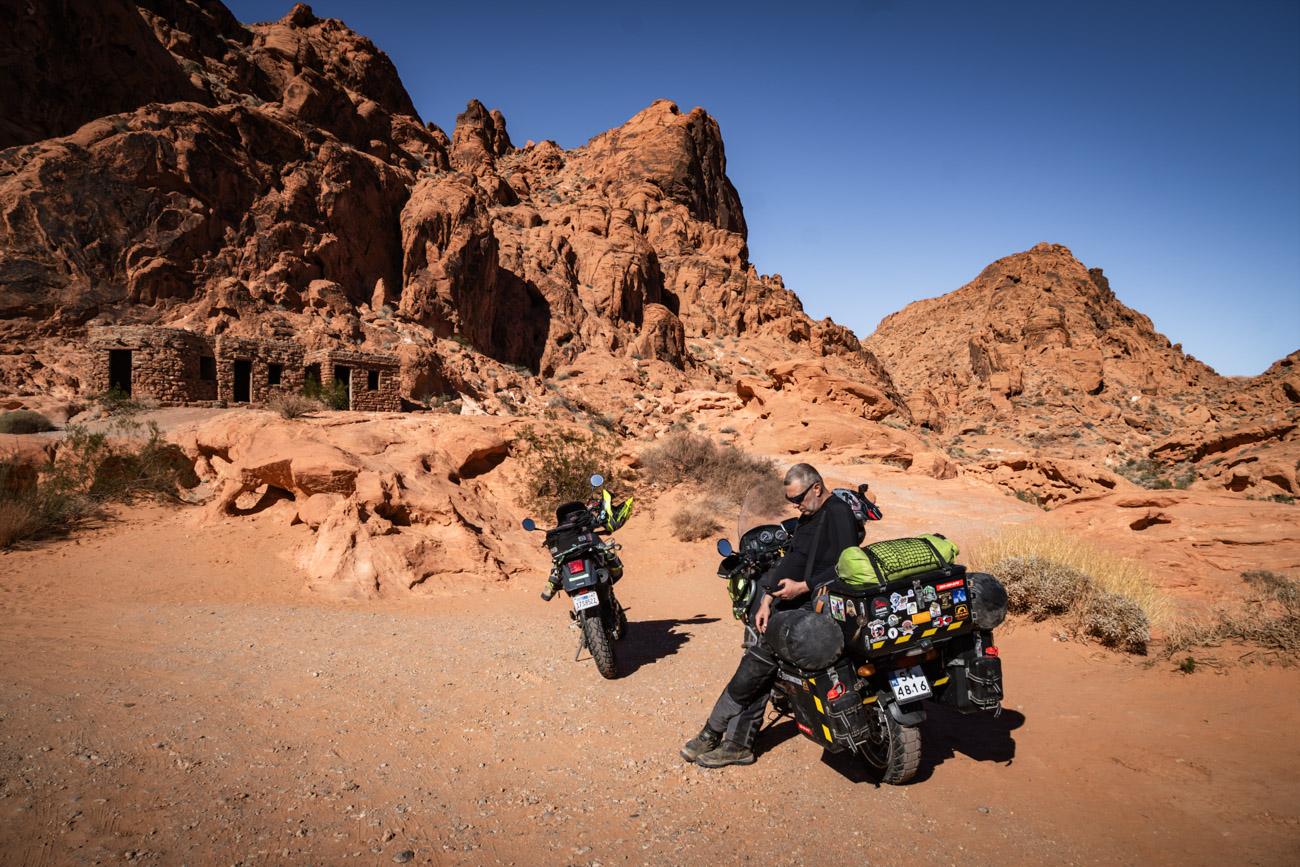
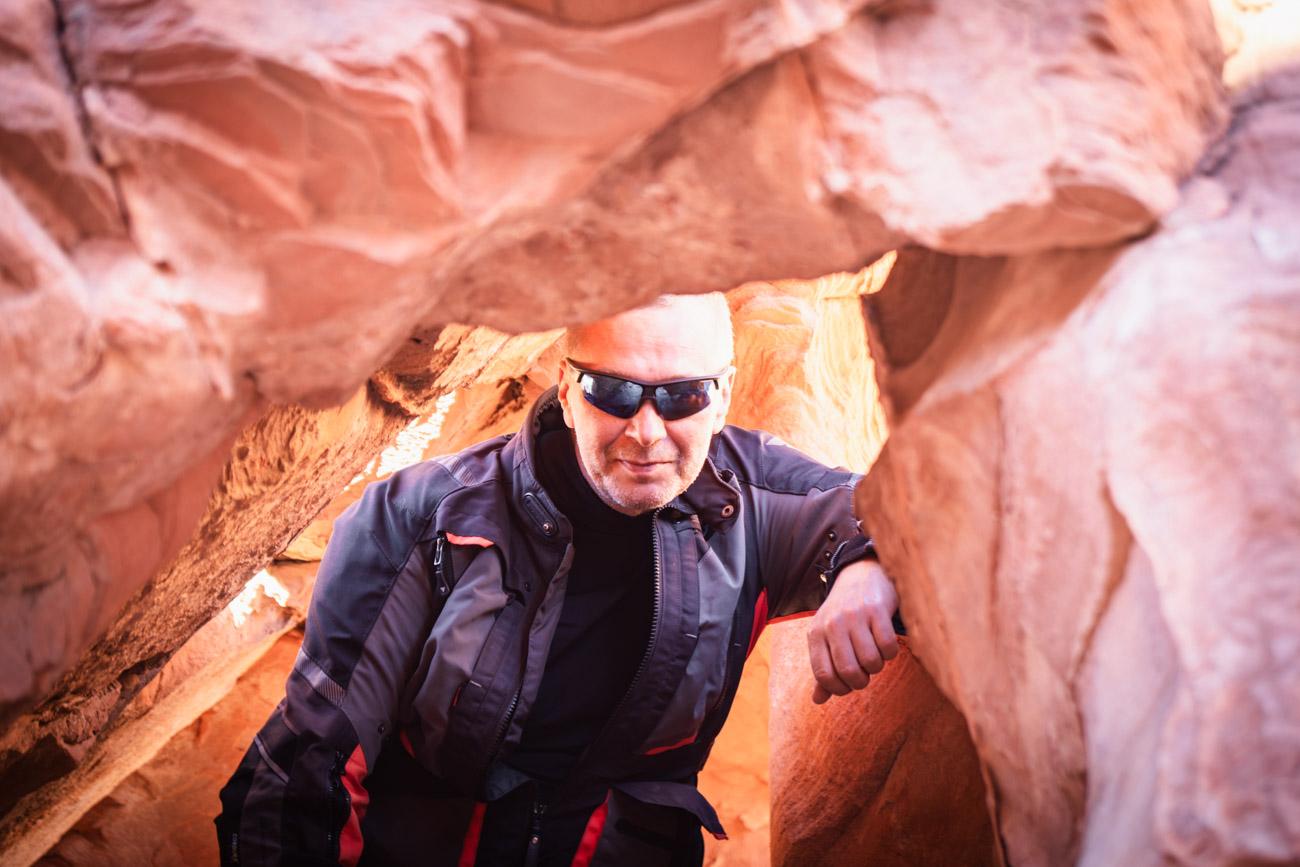
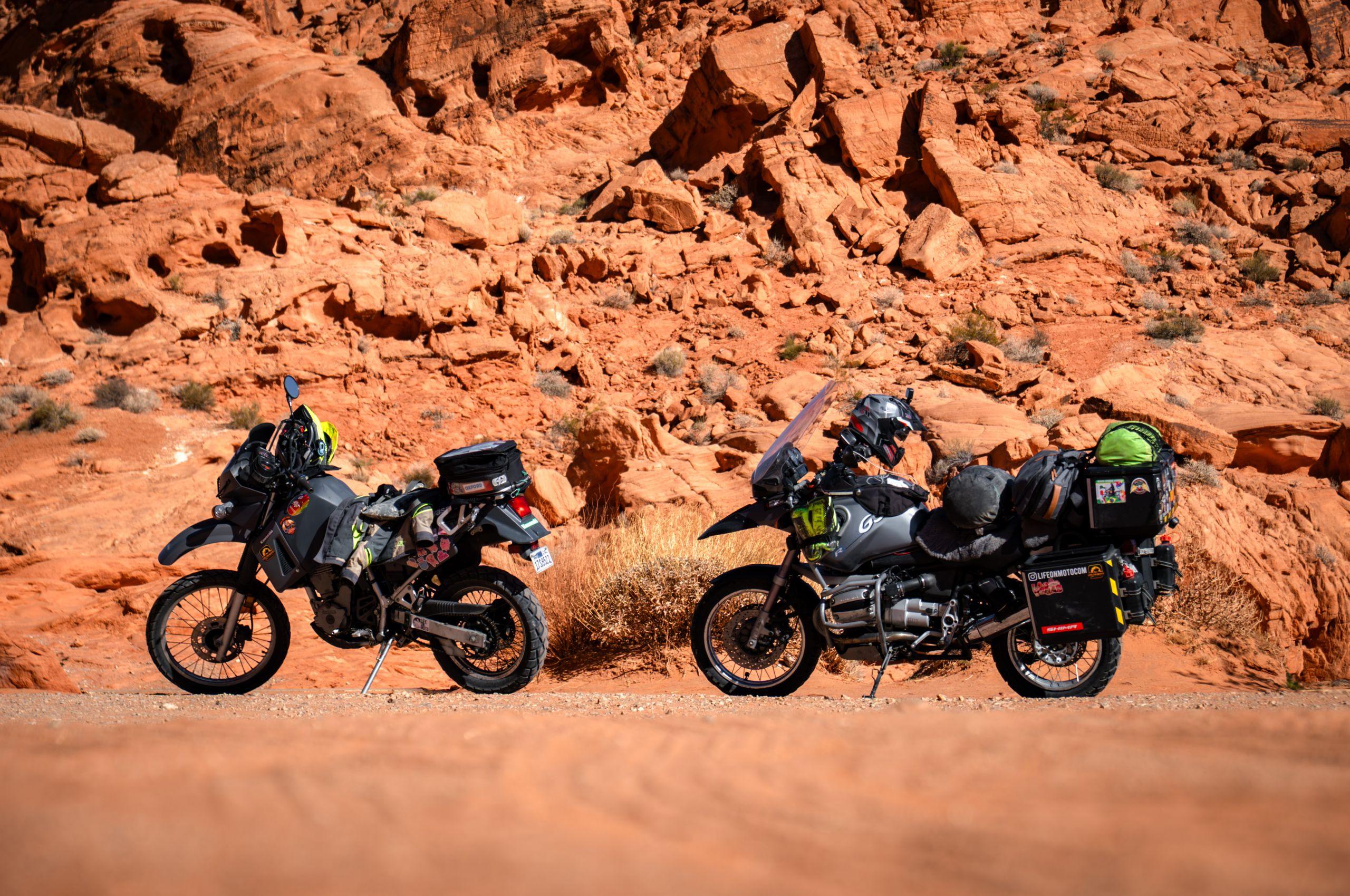
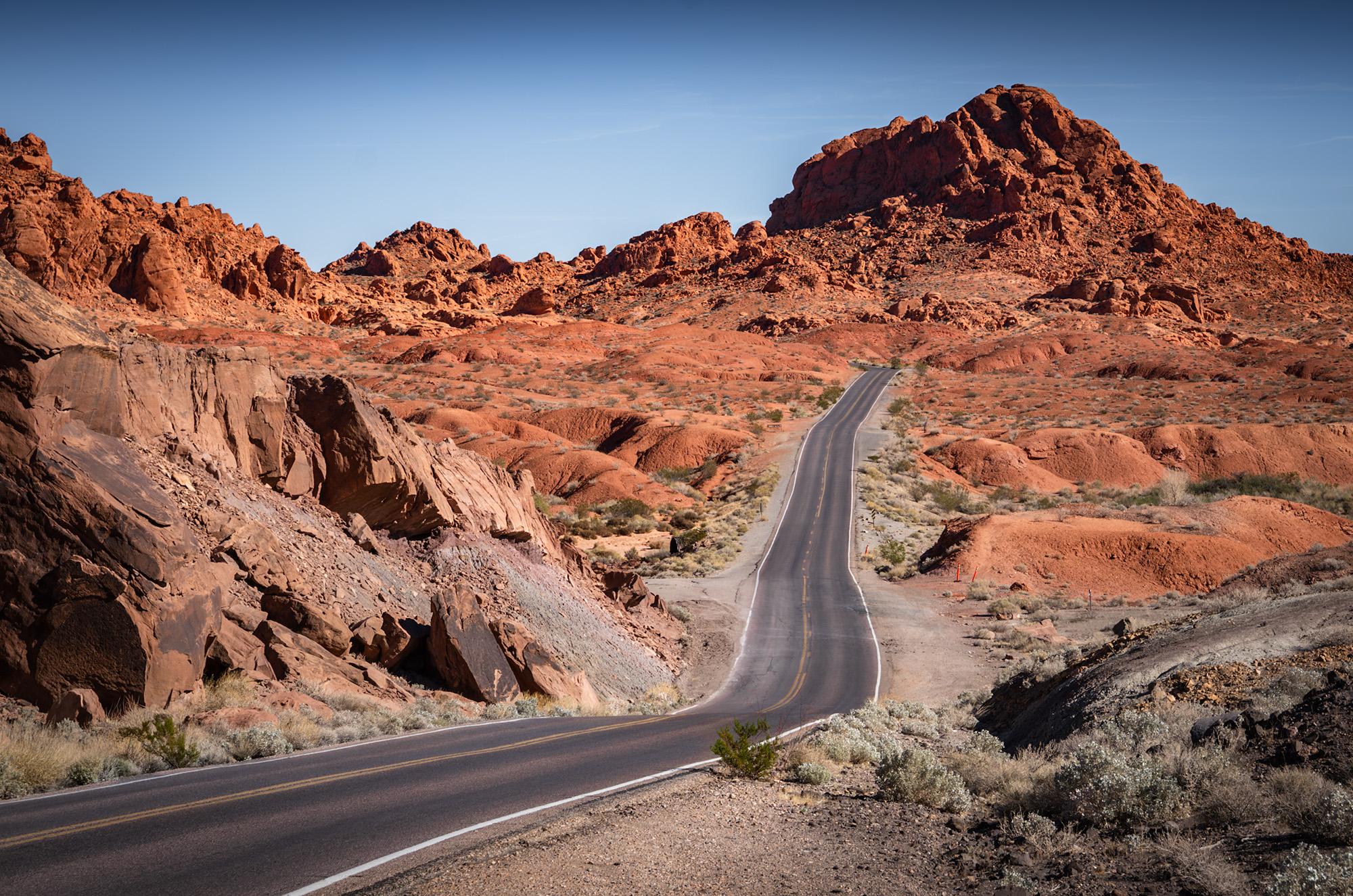
As we drove into the park, the road winds like a river through the rock formations, and every turn revealed new wonders before us. Once again, nature showed us that it creates the most beautiful landscapes. Wind and water have carved incredible shapes and forms into the red sandstones of the Valley of Fire, emphasizing the power of the passage of time at every turn.

THE TWO FACES OF VALLEY OF FIRE – THE WHITE DOMES LOOP AND THE FIRE WAVE TRAIL
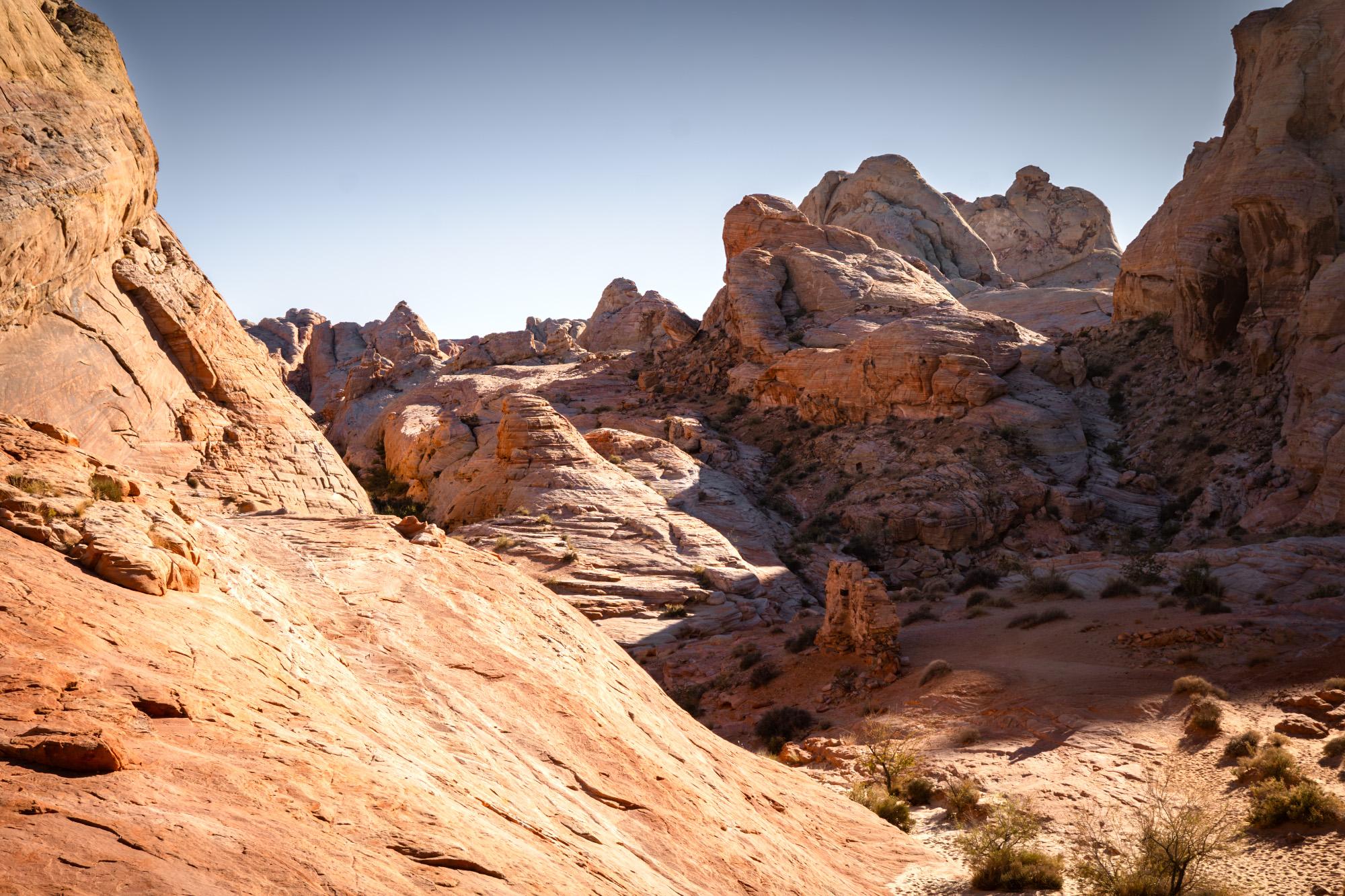
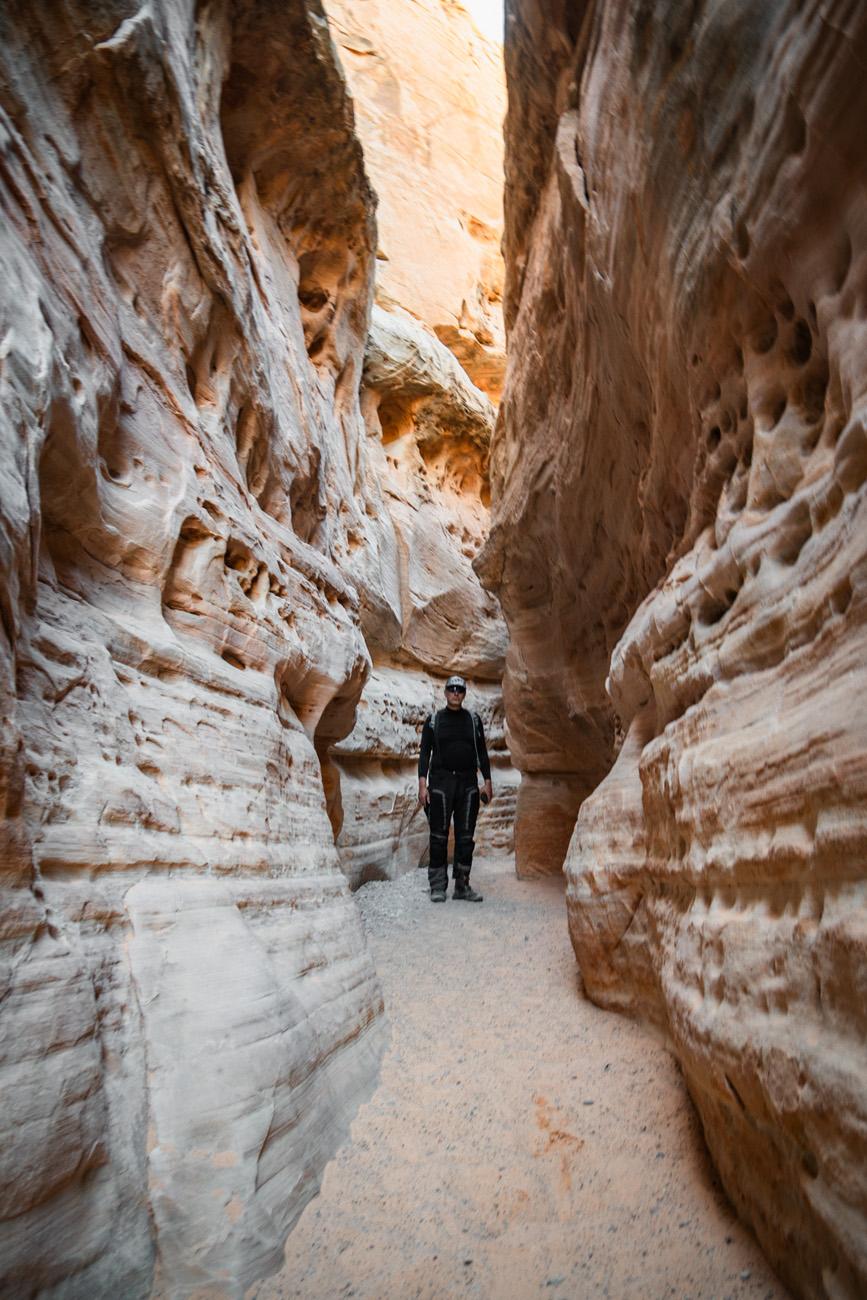
And although these two trails are very close to each other, they show just how diverse and surprising the Valley of Fire is. They are like two voices singing the same song. One is calm, balanced, enveloping us in the coolness of the rocks hidden in the shade. The other is energetic, full of life, its colors beating out a rhythm on the rocks. We began our hike with the first one, the White Domes Loop.
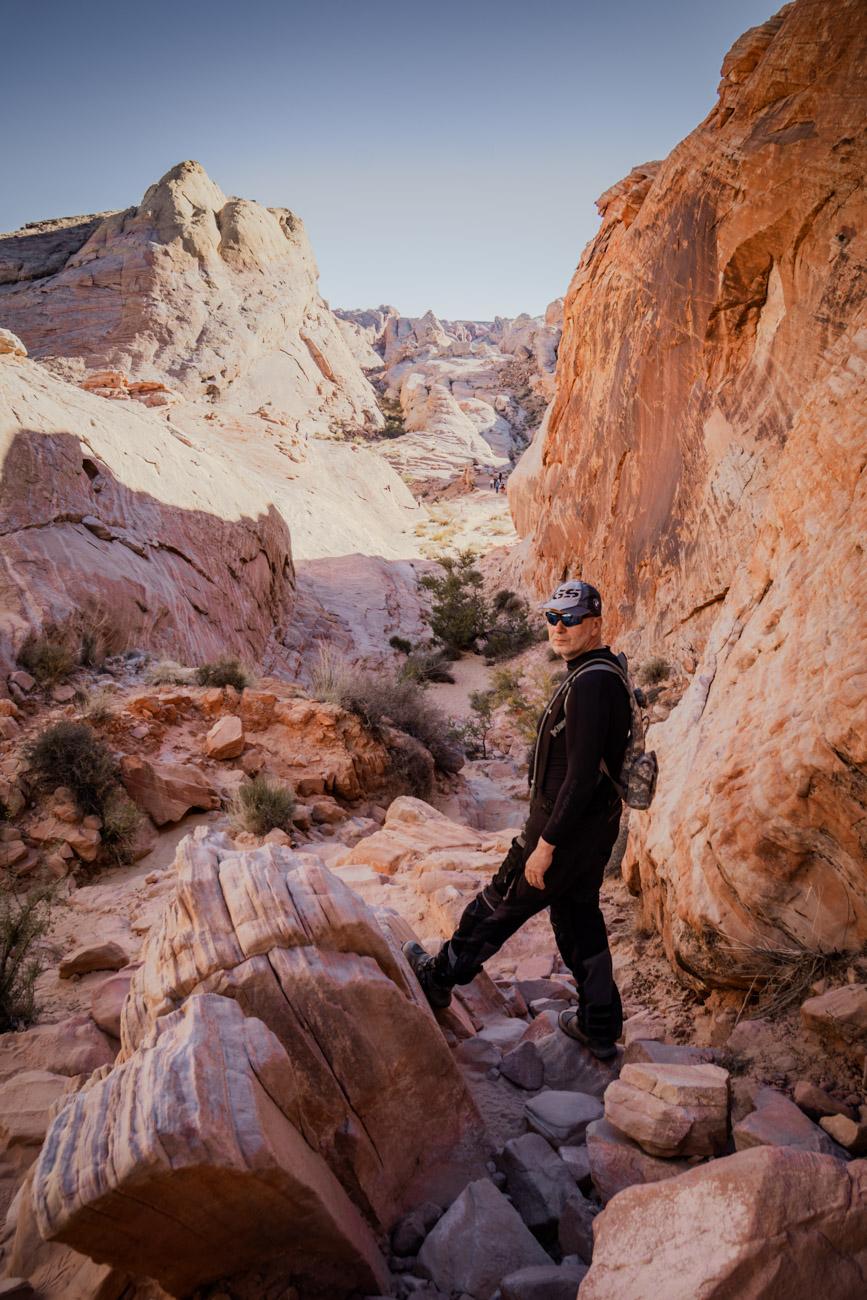
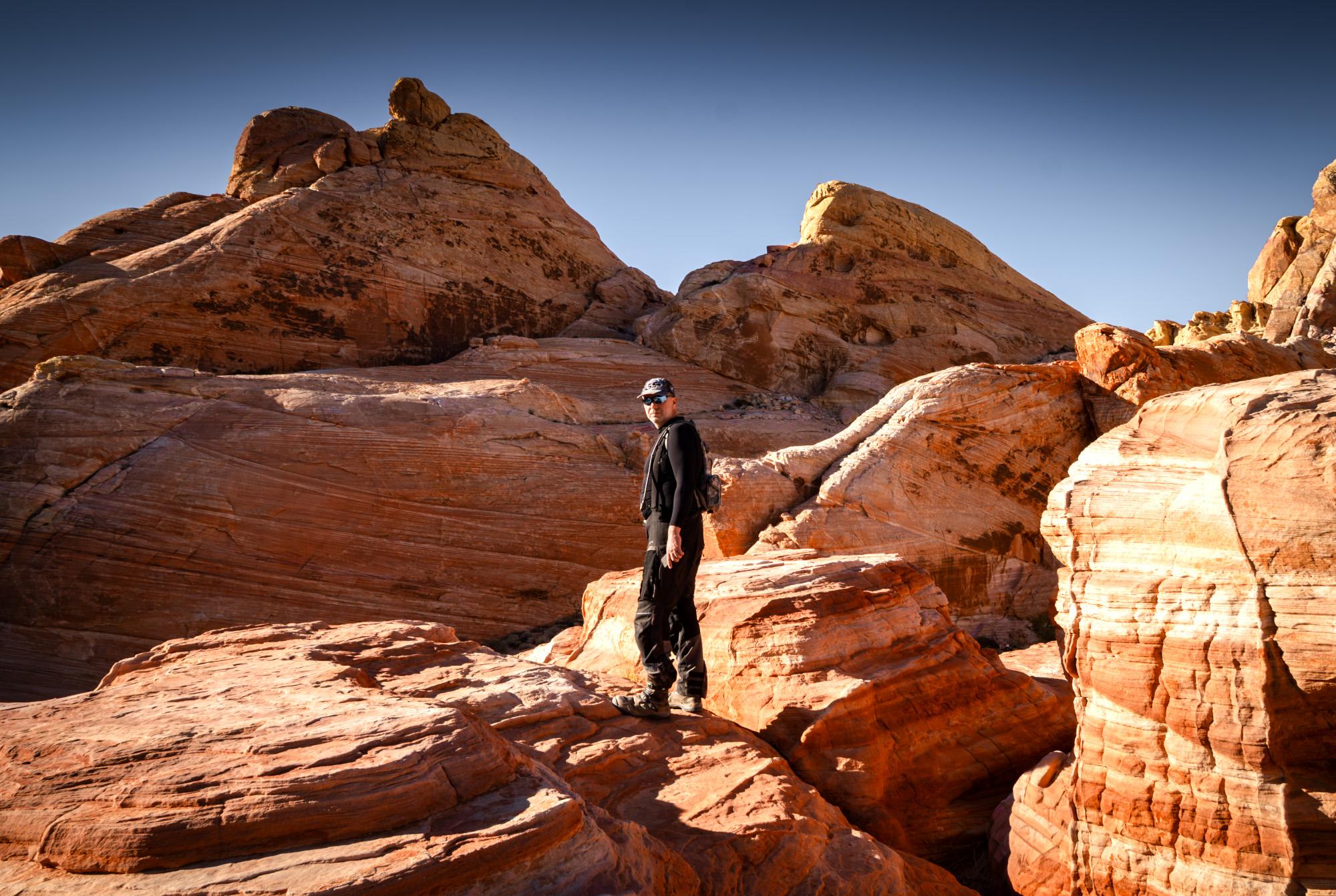
The second trail was the slightly longer Fire Wave Trail, one of the most famous trails in the entire Valley of Fire and the main reason most tourists come here. It is famous for its undulating bands of red, pink, and white sandstone, which look strikingly like a fiery wave frozen in time.
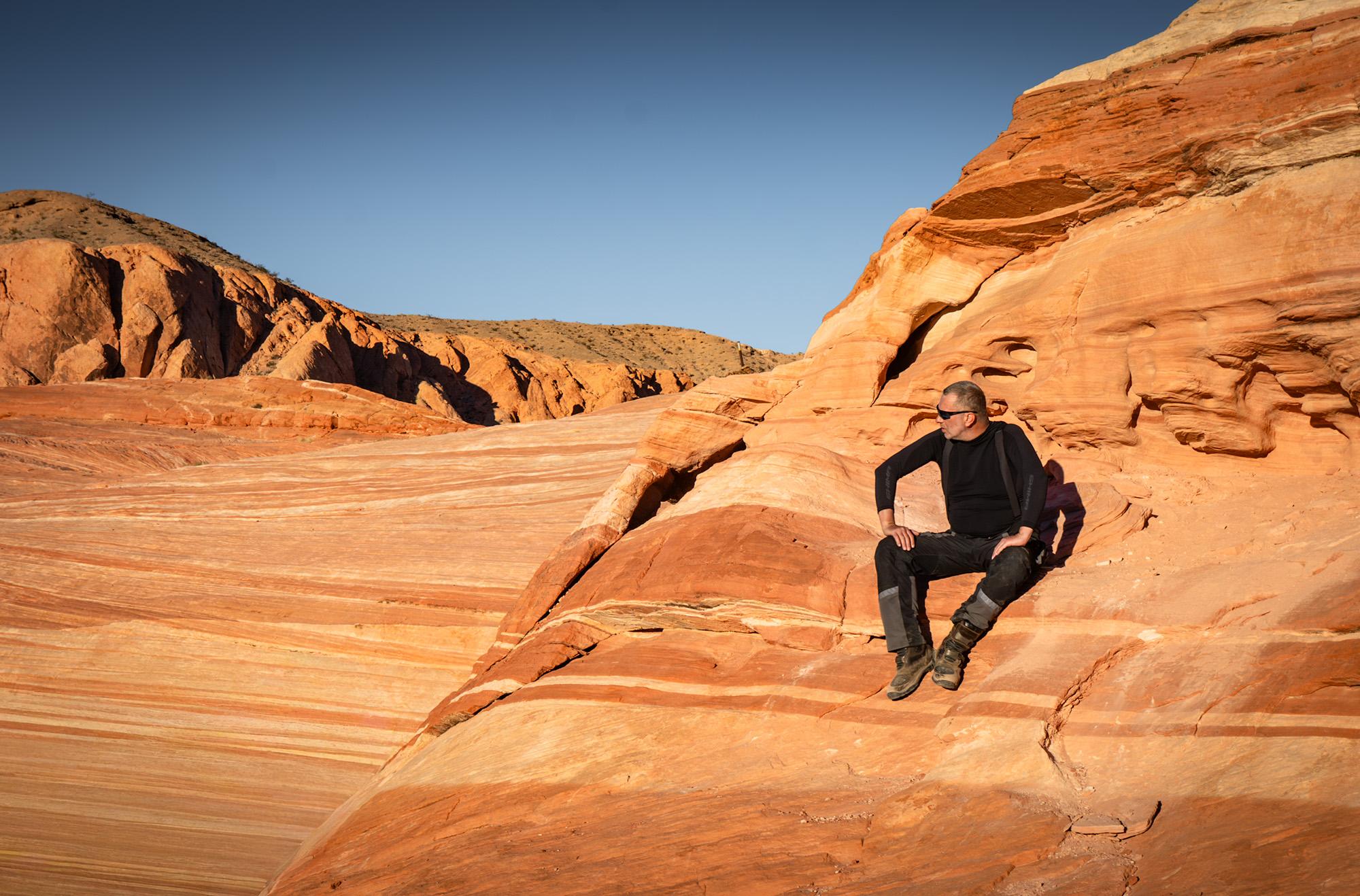
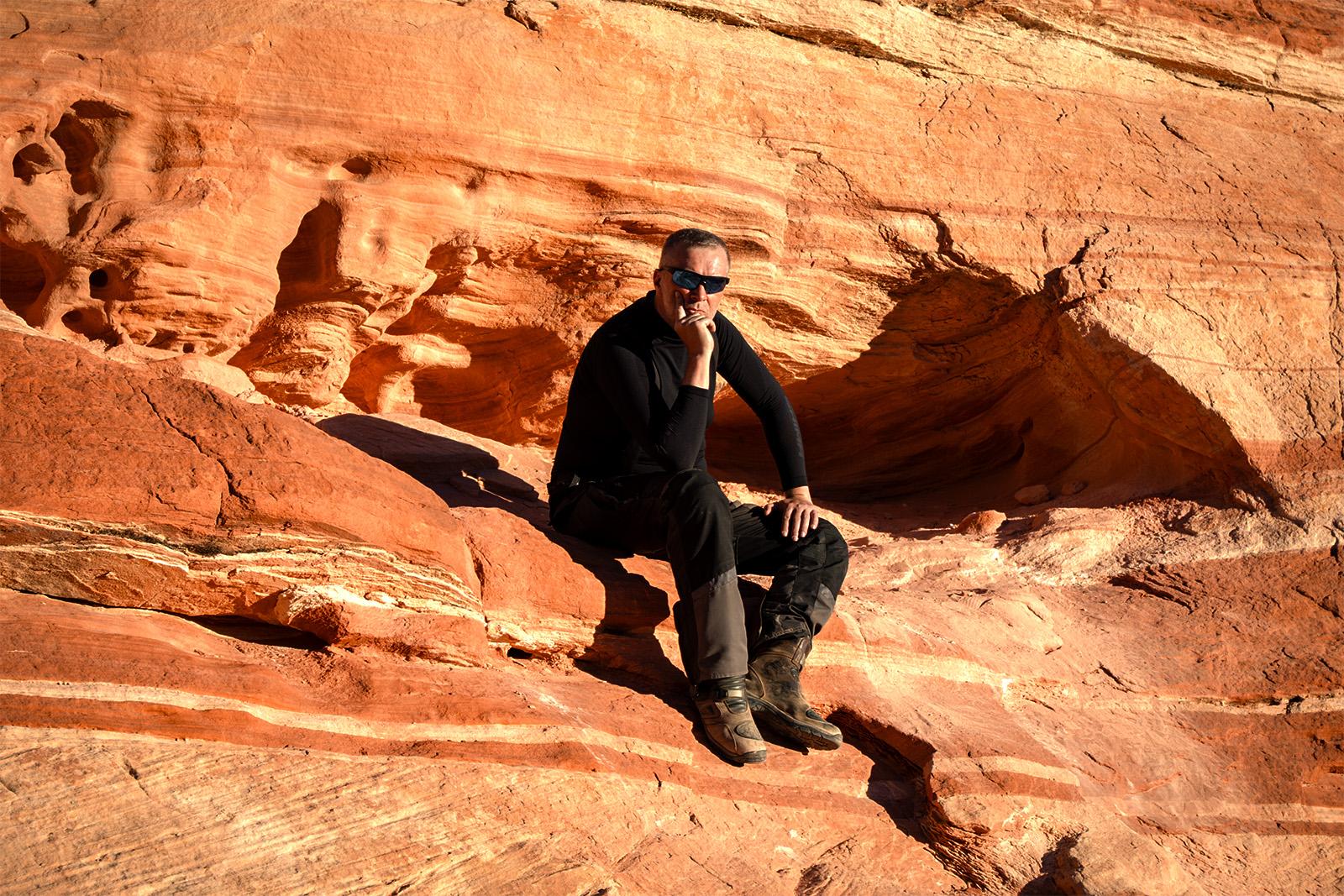
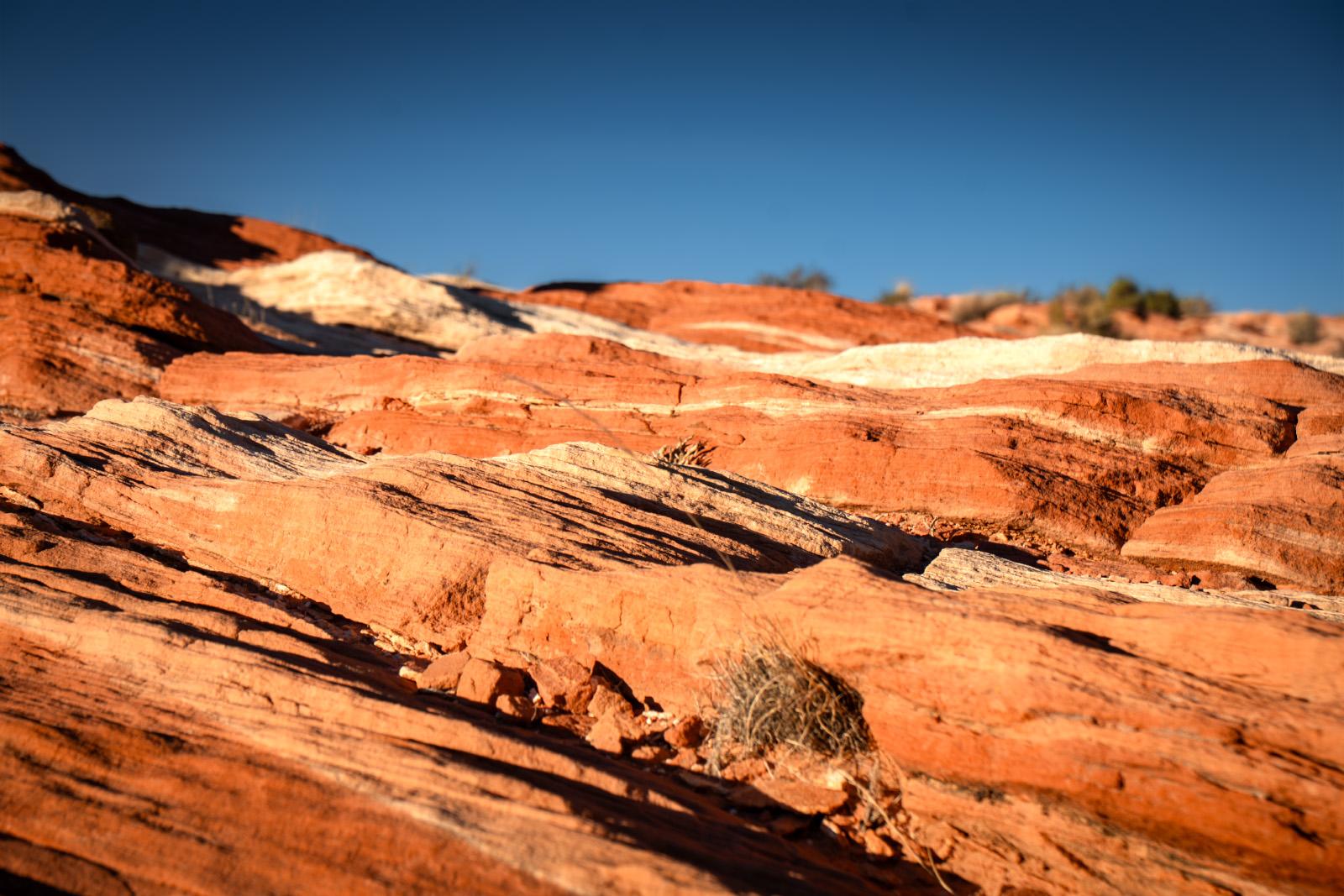
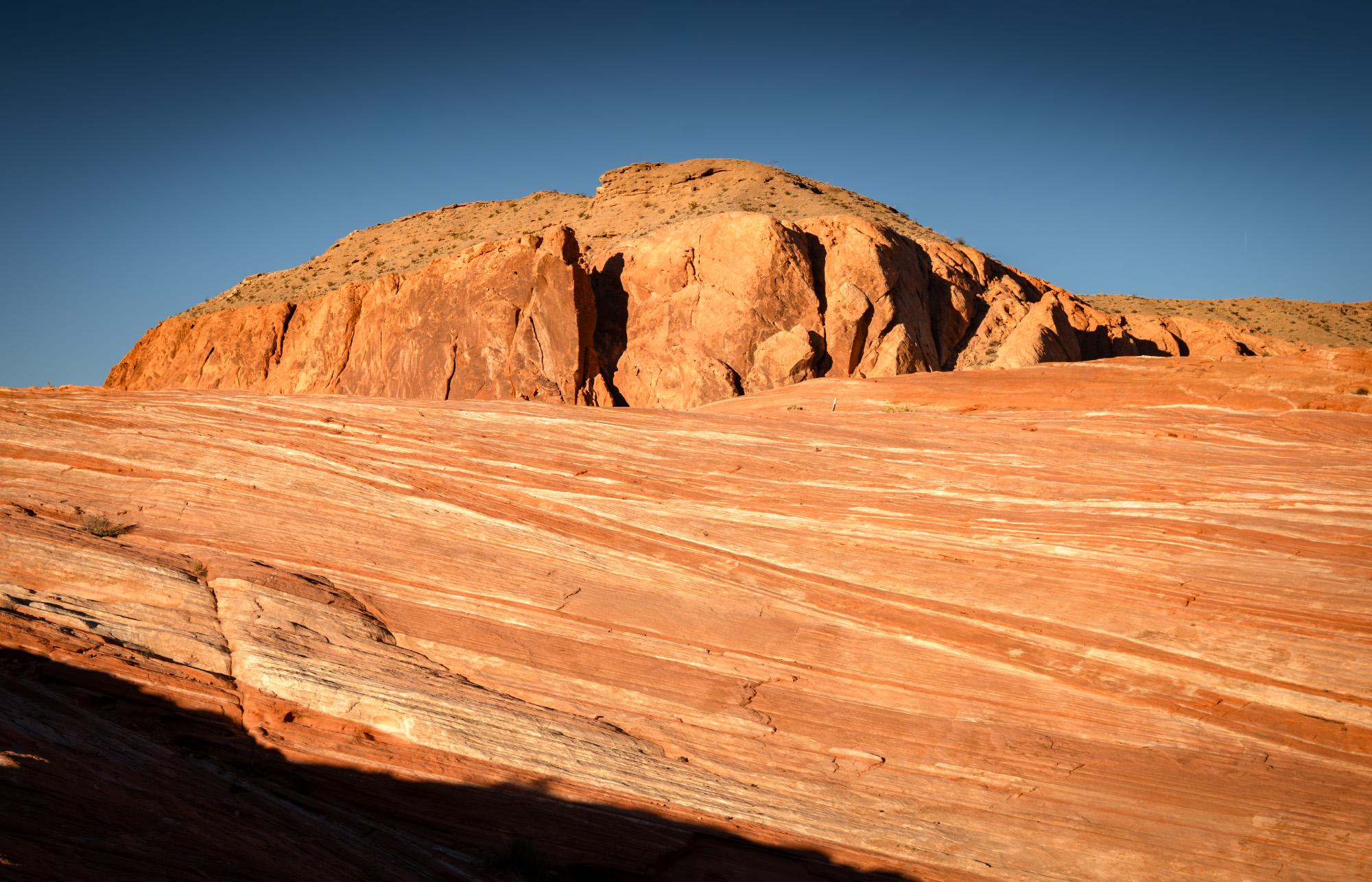
But it’s at sunset that the real magic happens here. The sun slowly spreads its red glow across the rocks, bringing out incredible shades of vermilion. The sky grows darker and darker, while the earth glows with a fiery red. And us? We stood there speechless; we couldn’t have imagined a more beautiful way to bid the day farewell.
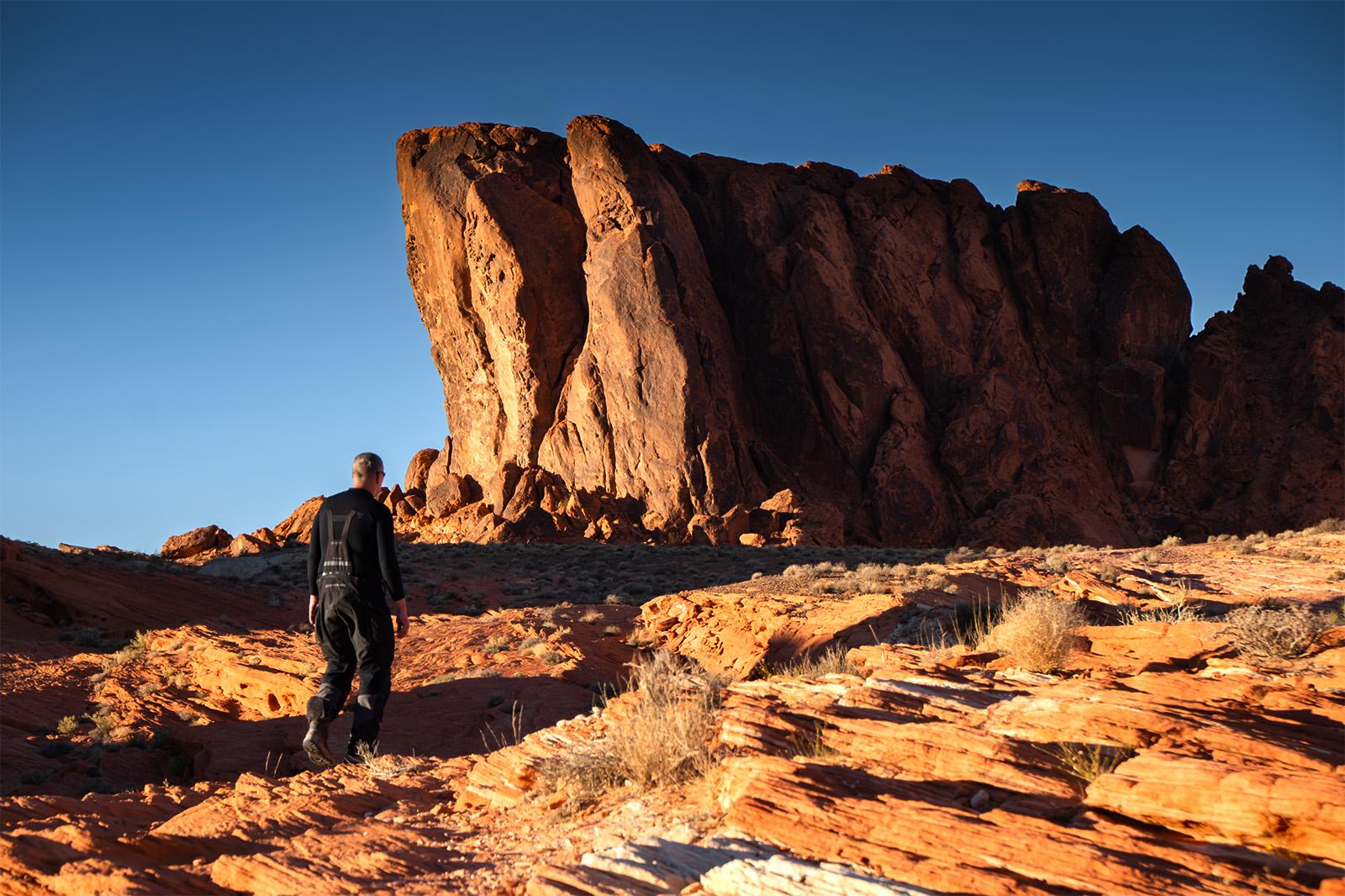
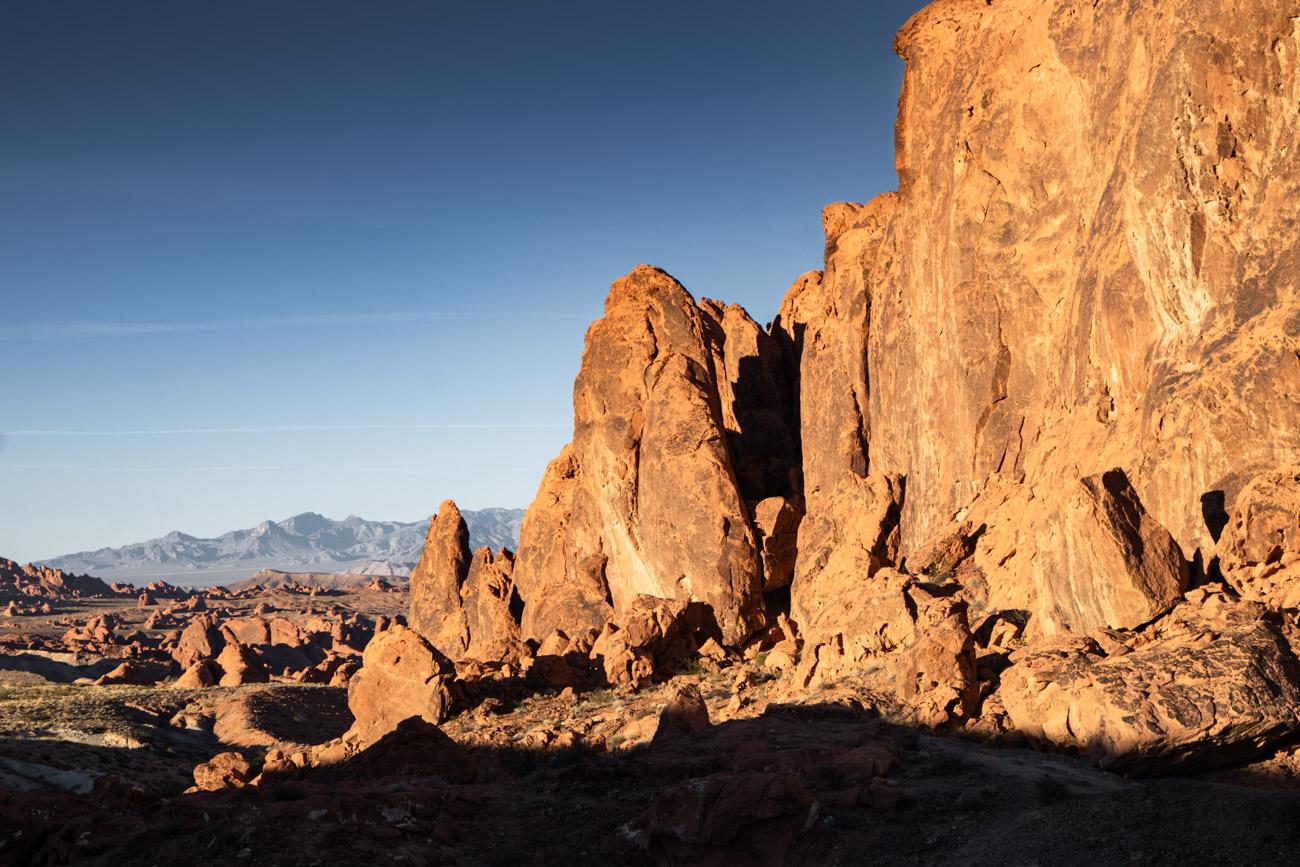
*Image for the NASA Earth Observatory by Lauren Dauphin (Lauren Dauphin, NASA, Landsat, U.S. Geological Survey)
