Before we arrived in Nicaragua, we came across far more accounts of problematic border crossings and the difficulties the country had caused many travelers than we did descriptions of the places themselves or travel experiences. And although this meant we were well-prepared for the formalities, we quickly came to the conclusion that Nicaragua is heavily demonized and too often treated merely as a transit point – a stop on the way to neighboring Costa Rica. Yet all it takes is giving it a chance to discover a country that can surprise you even more than its more famous neighbors.
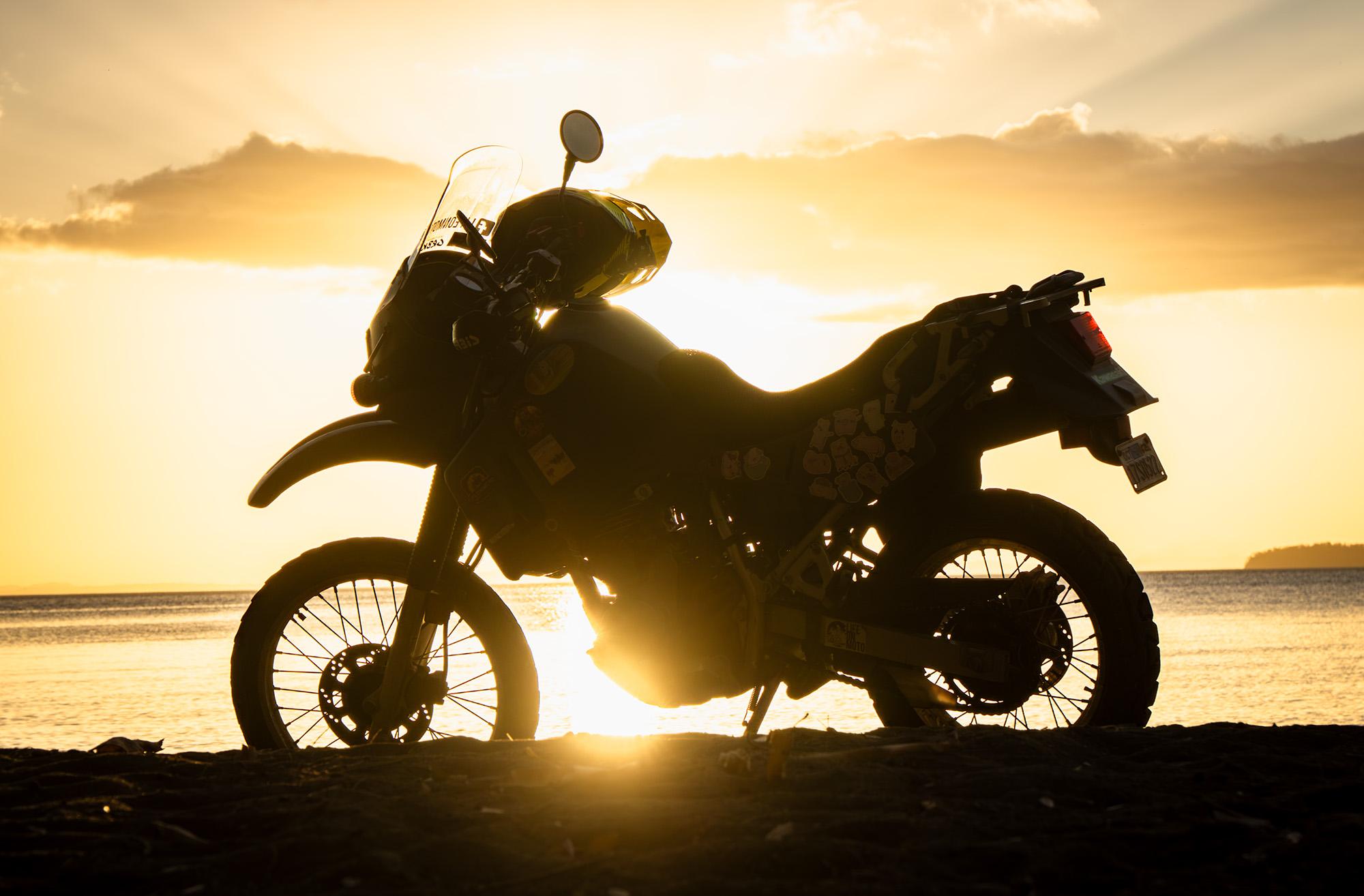
Although our motorcycle trip through Nicaragua begins here, on this blog, on the island of Ometepe, we’ve already visited many other places. As we mentioned in our last post from Mexico, we inexplicably lost the photos from our trip through Guatemala, Honduras, and El Salvador, so our story really begins here – in Nicaragua, while we were waiting for the ferry to Ometepe. We loaded ourselves and our motorcycles onto the ferry and spent a few days there, exploring the island and discovering its most hidden corners. Every day brought new landscapes – from gravel roads winding through plantations and small villages to views of the volcanoes towering above them.
FERRY TO OMETEPE ISLAND
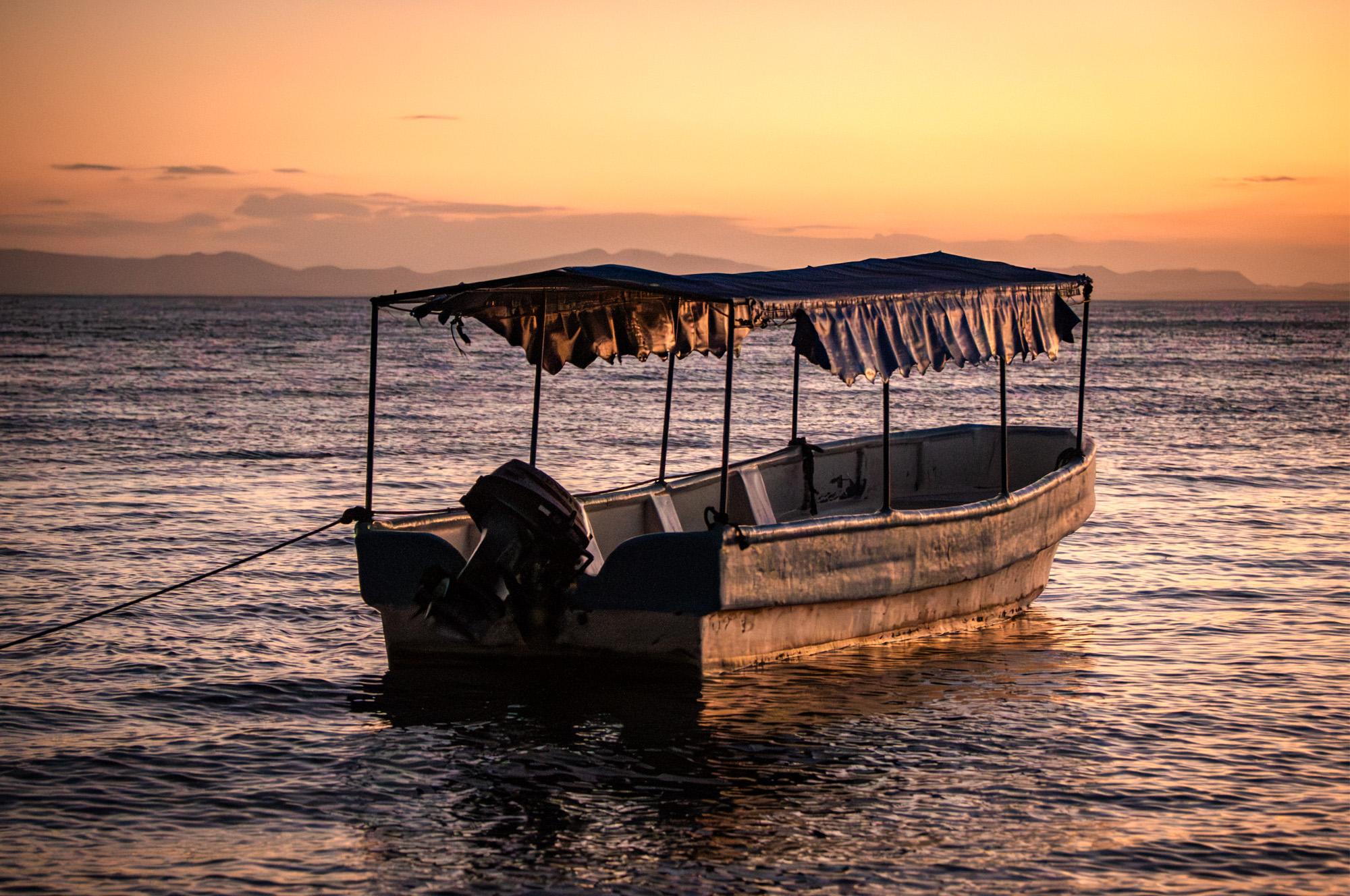
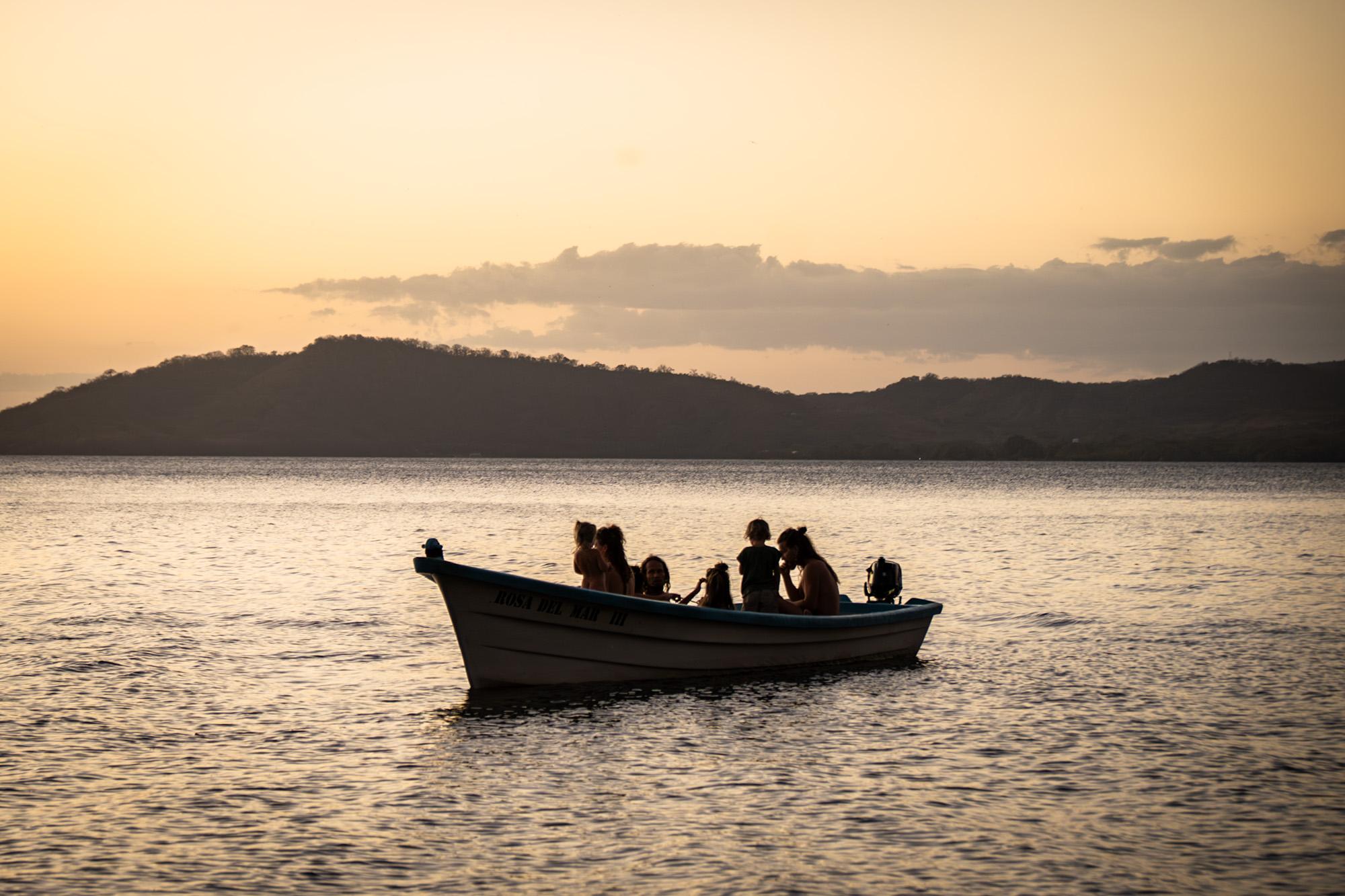
Ometepe Island is located on the largest lake in Central America – Lake Nicaragua, also known as Cocibolca in the indigenous Nahuatl language. Ometepe is connected to the mainland by a fairly convenient ferry service that runs daily from San Jorge. There are plenty of ferries running from early morning until late afternoon, but there are days when there isn’t enough space for cars and RVs, so it’s a good idea to arrive in San Jorge first thing in the morning. You can also choose between two types of transport: large ferries and smaller lanchas, which are less stable but offer a much more exciting ride.
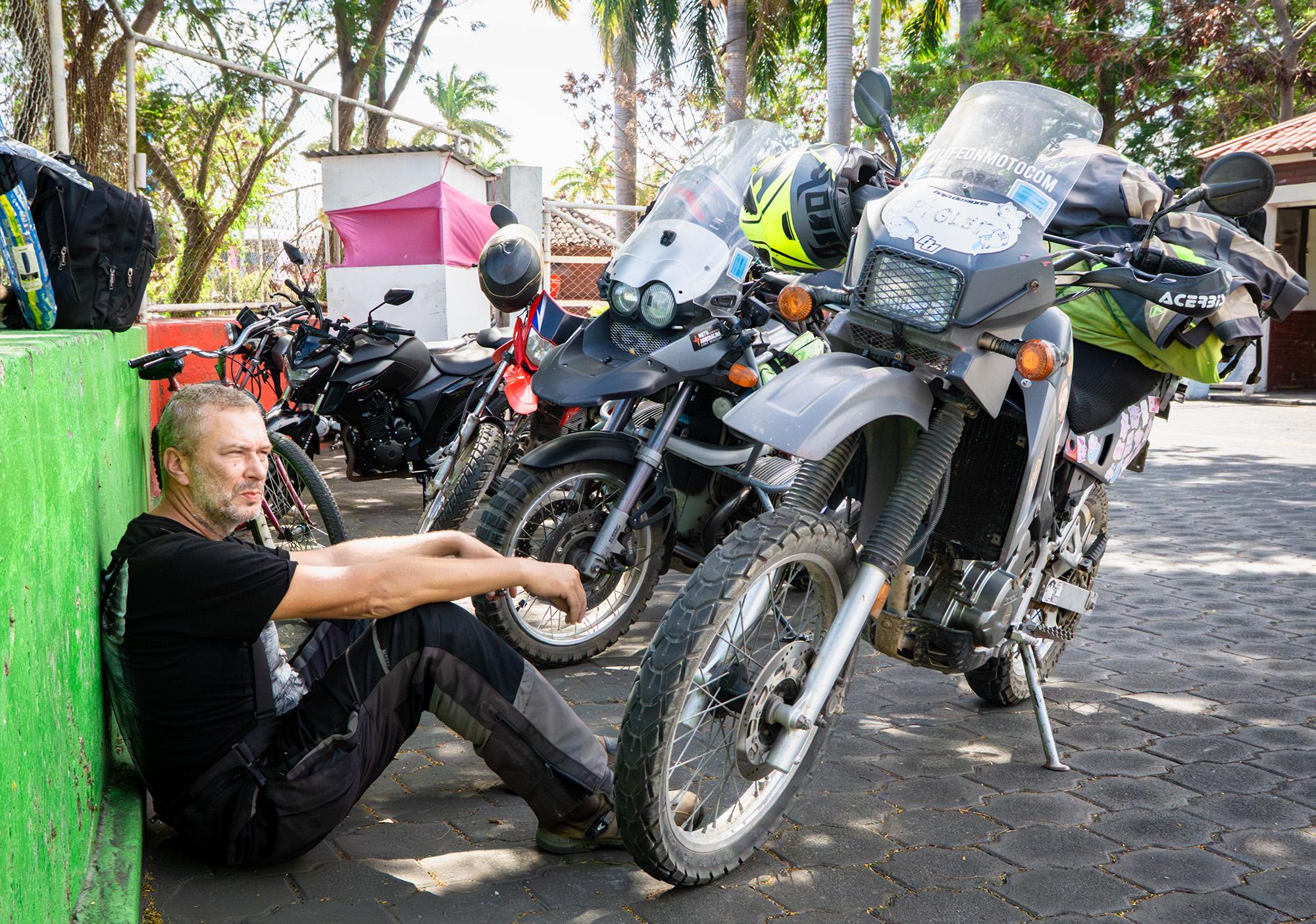
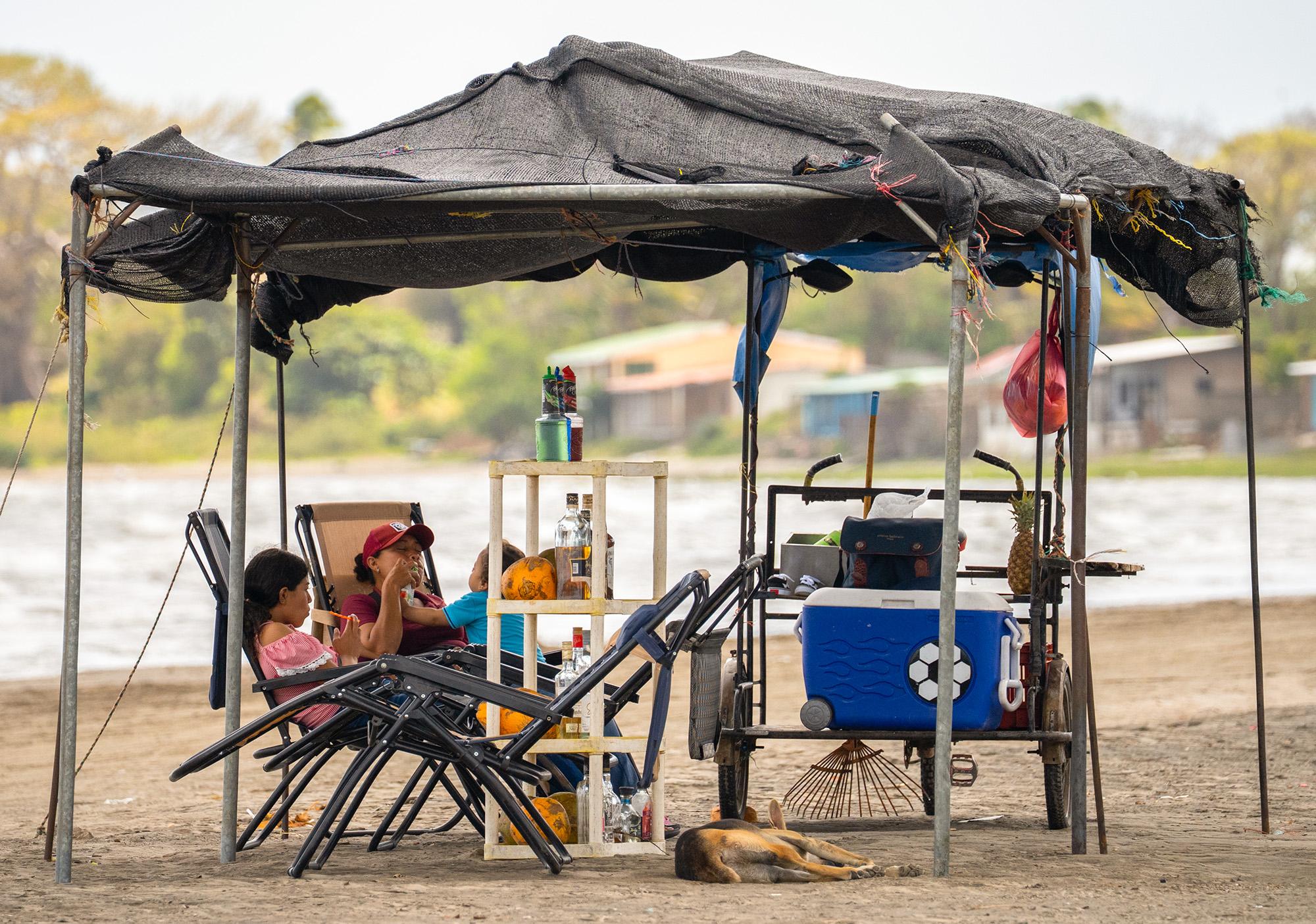
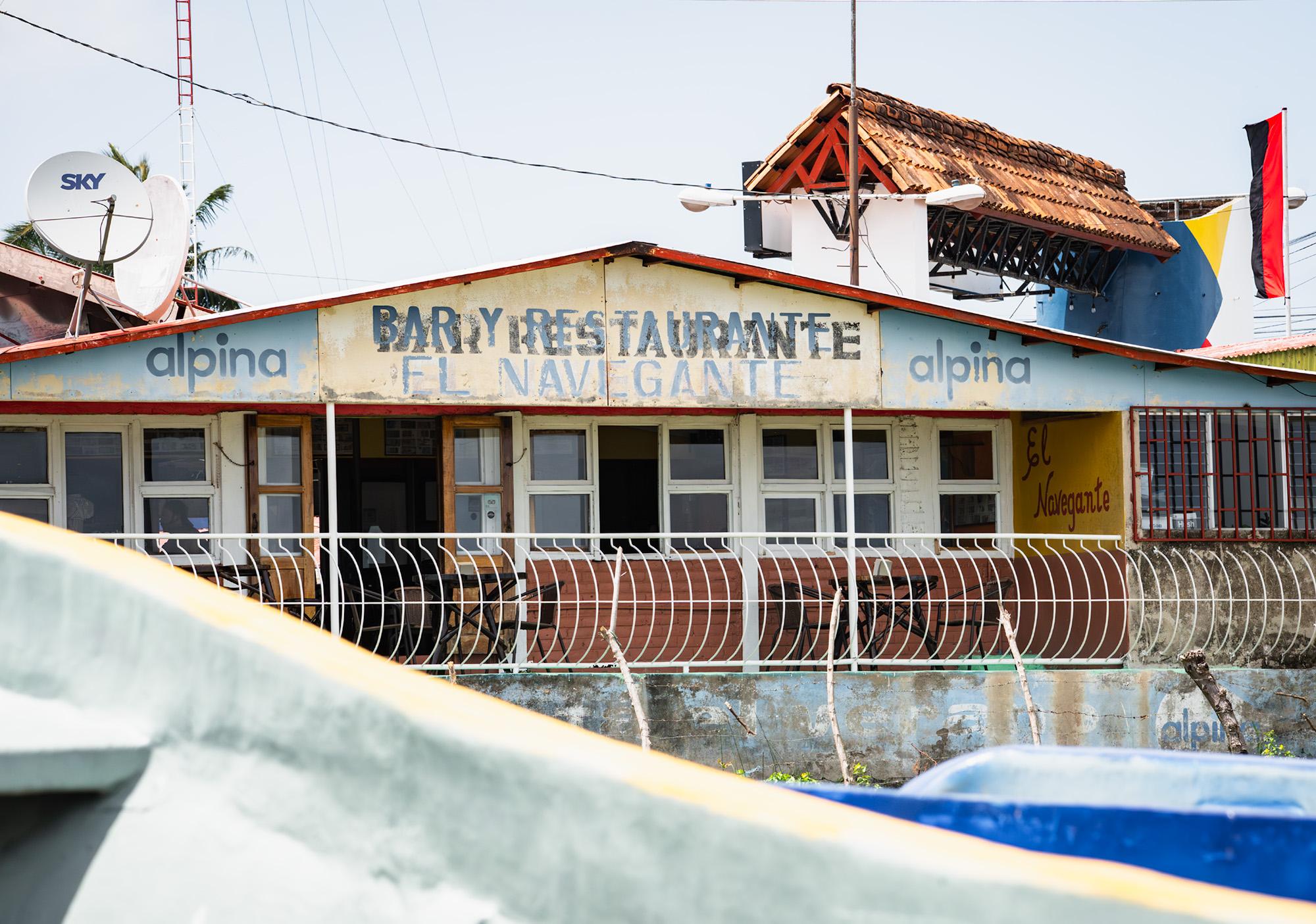
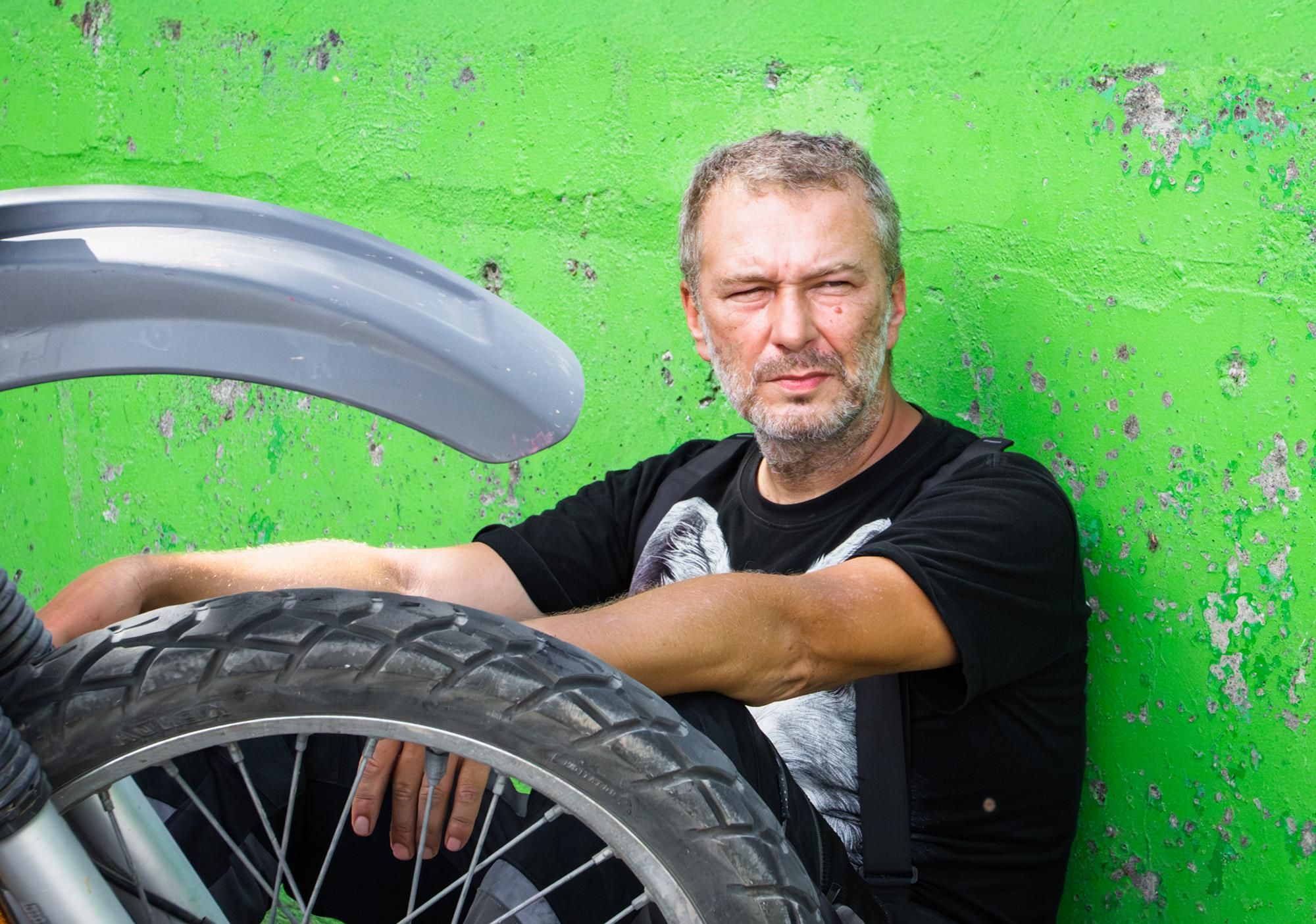
Since motorcycles are considered small vehicles, we were the first to board the ferry. Later, from the upper deck, we watched as they were secured with ropes to the deck’s metal structures. The space around us quickly filled up, and we were impressed by how many cars, motorcycles, and bicycles – all loaded with packages – the port workers were able to cram onto a single ferry. Once all the engines had fallen silent and everything was stowed away, the ferry set off on its one-and-a-half-hour voyage to the town of Moyogalpa. The journey was far from smooth – after just a few minutes, it was clear that Lake Nicaragua could show its harsher side. The ship rocked in all directions, and wave after wave crashed against the hull, flooding the lower deck. Sometimes the waves were so high that even we got splashed in the face from time to time.
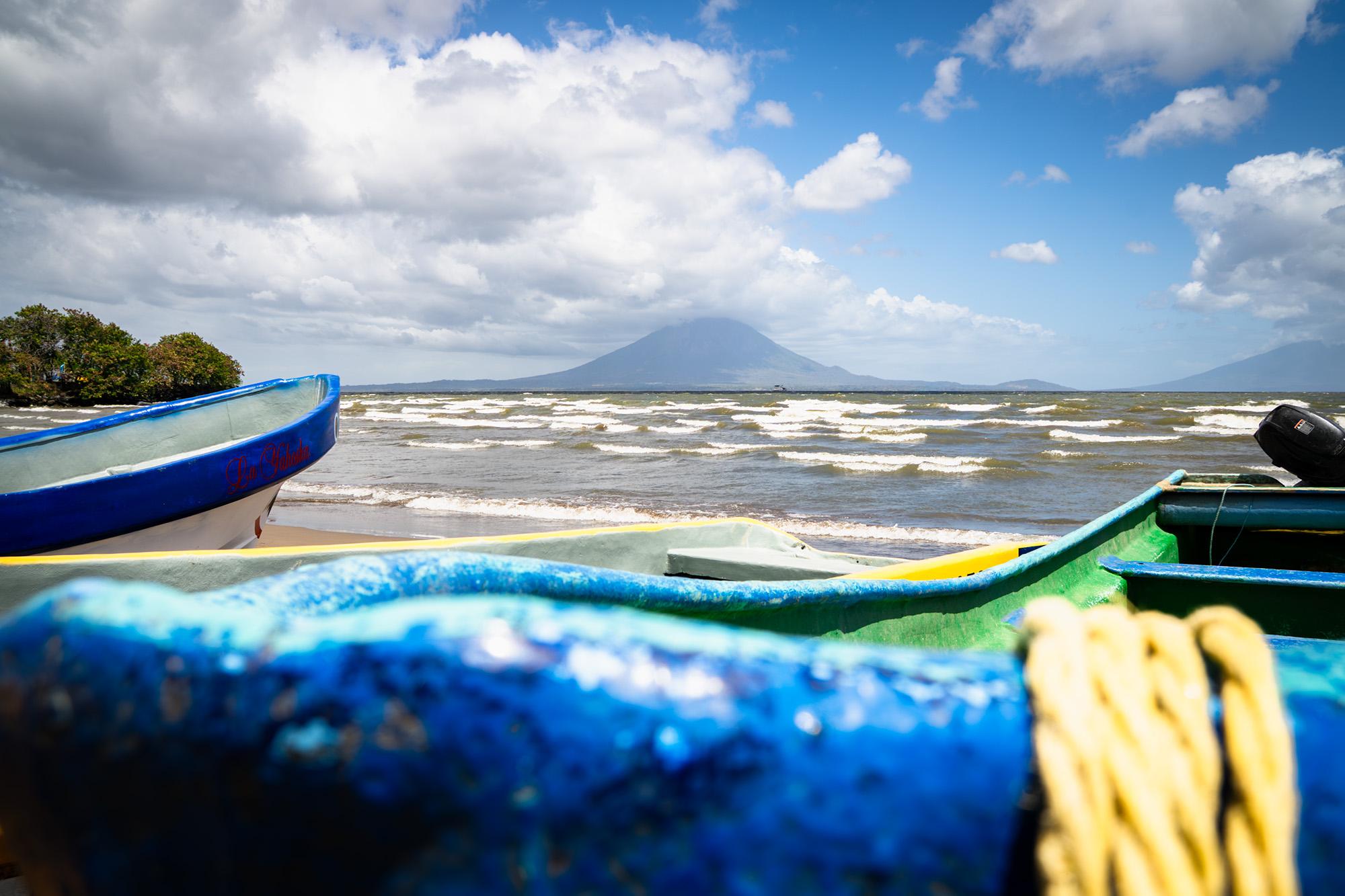
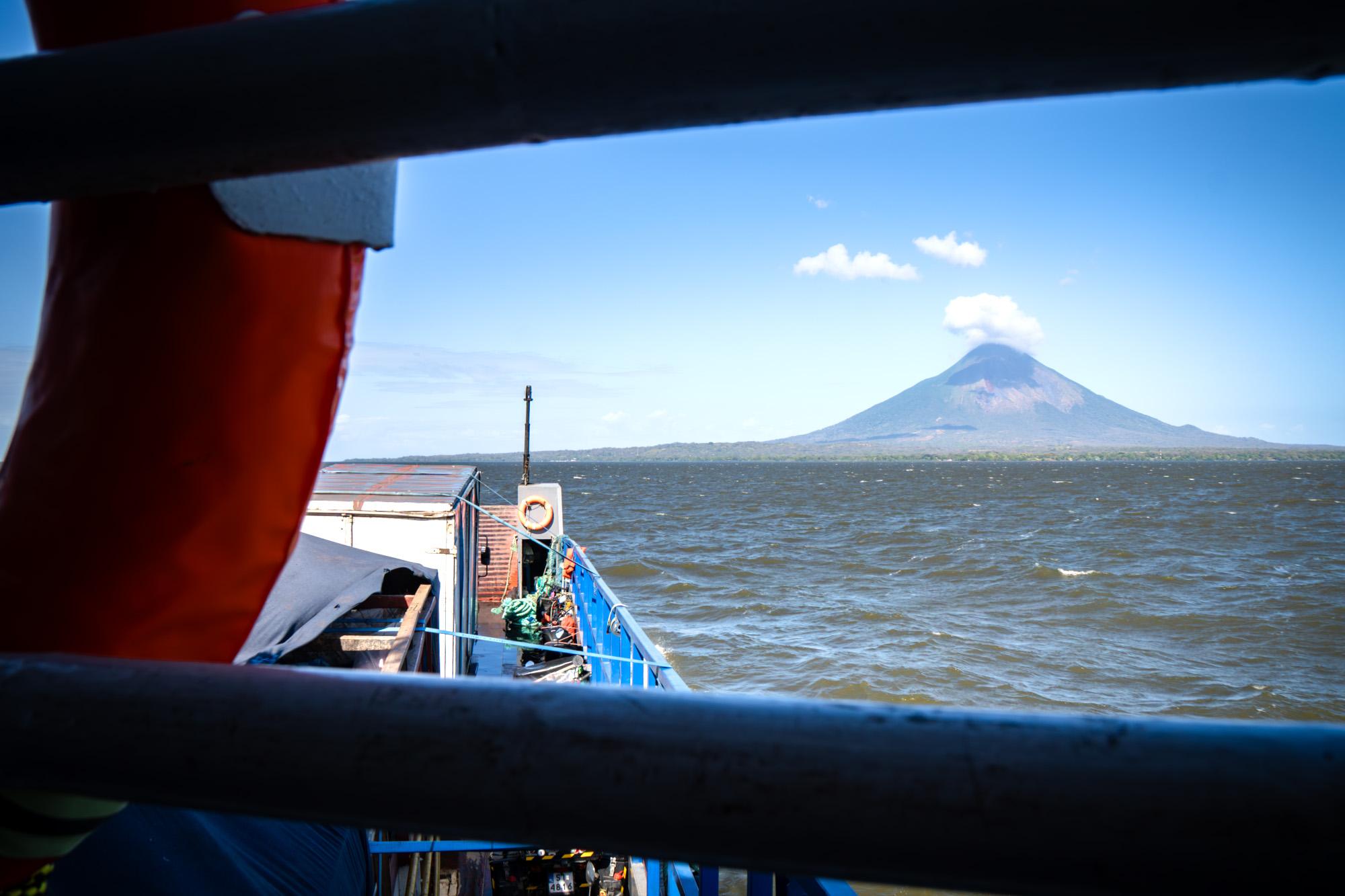
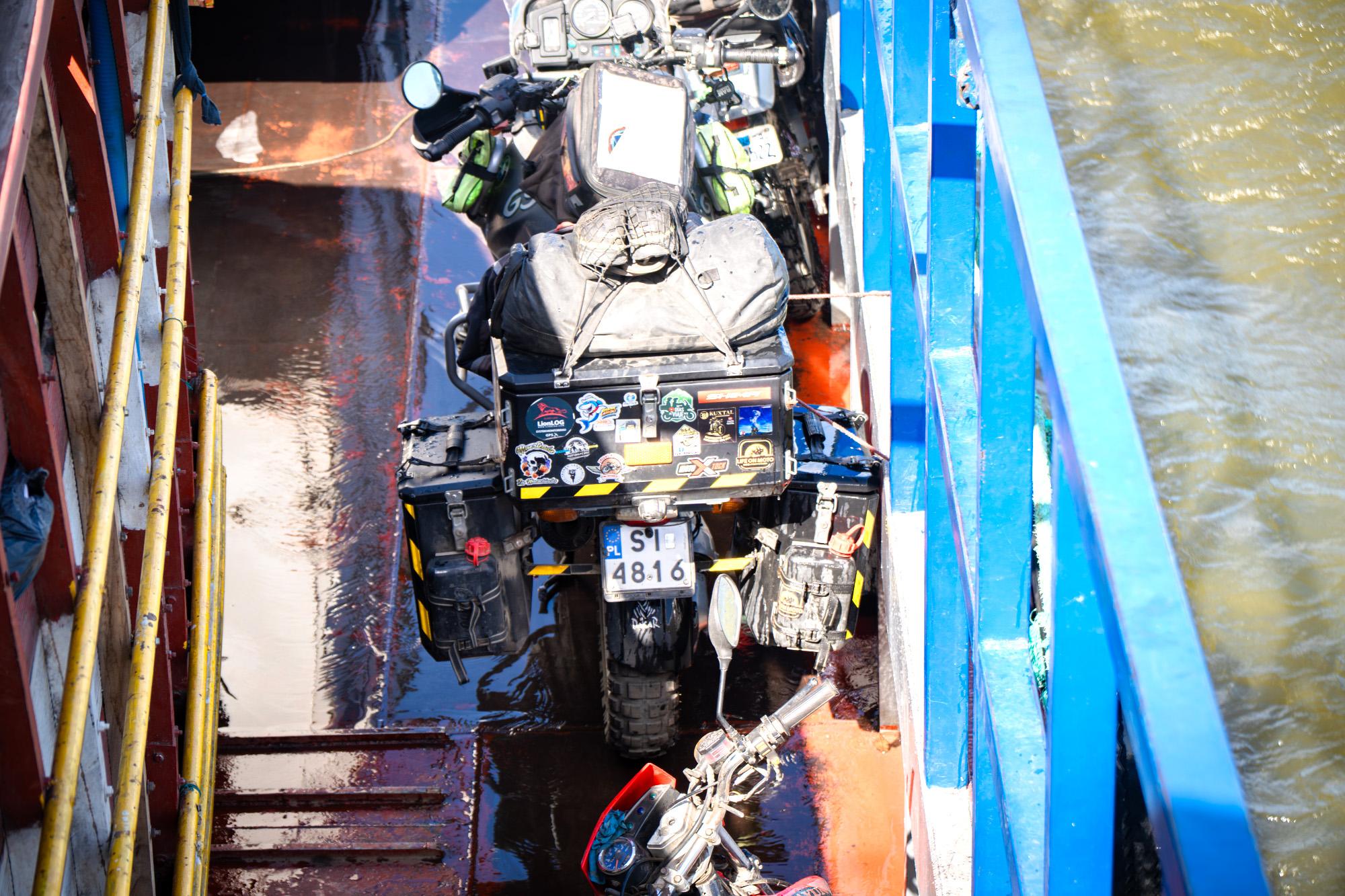
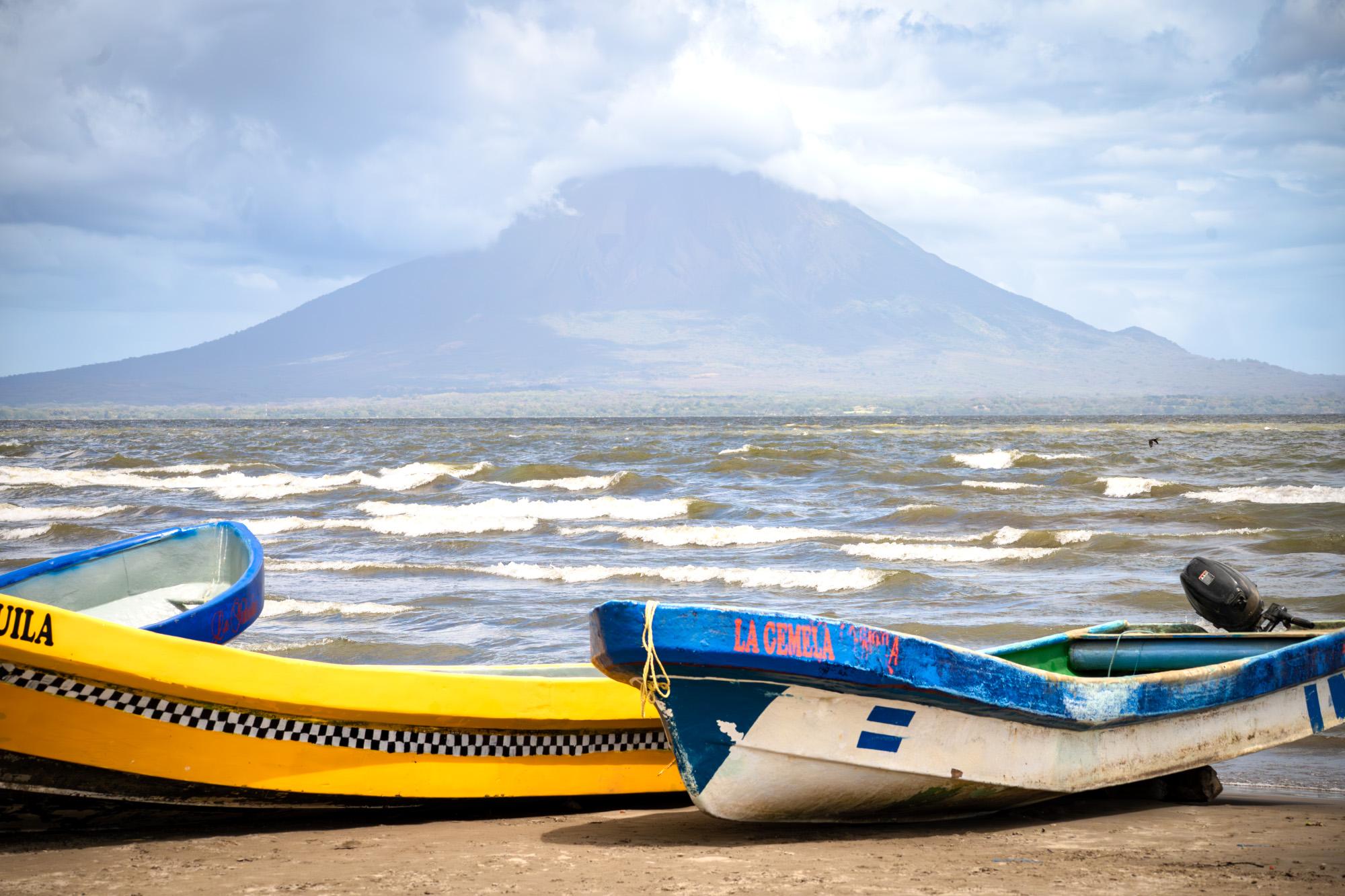
When we finally arrived in Moyogalpa, everything happened very quickly – the engines started up again, the ropes were loosened, and we pulled ashore. In Moyogalpa, we found an ATM, bought supplies for a few days, and headed to our campsite, which would serve as our base for the next few days.
La Sirenita
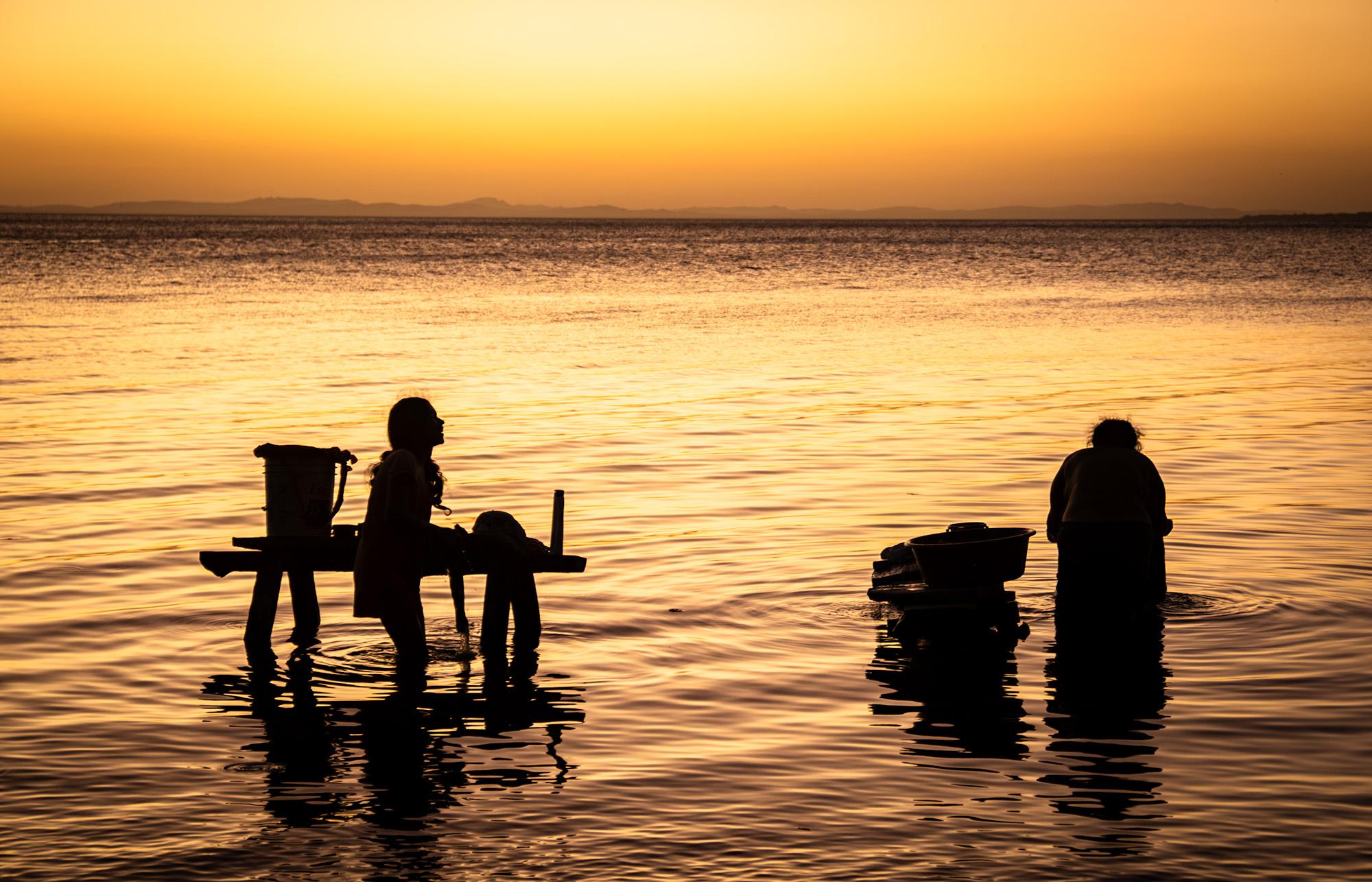
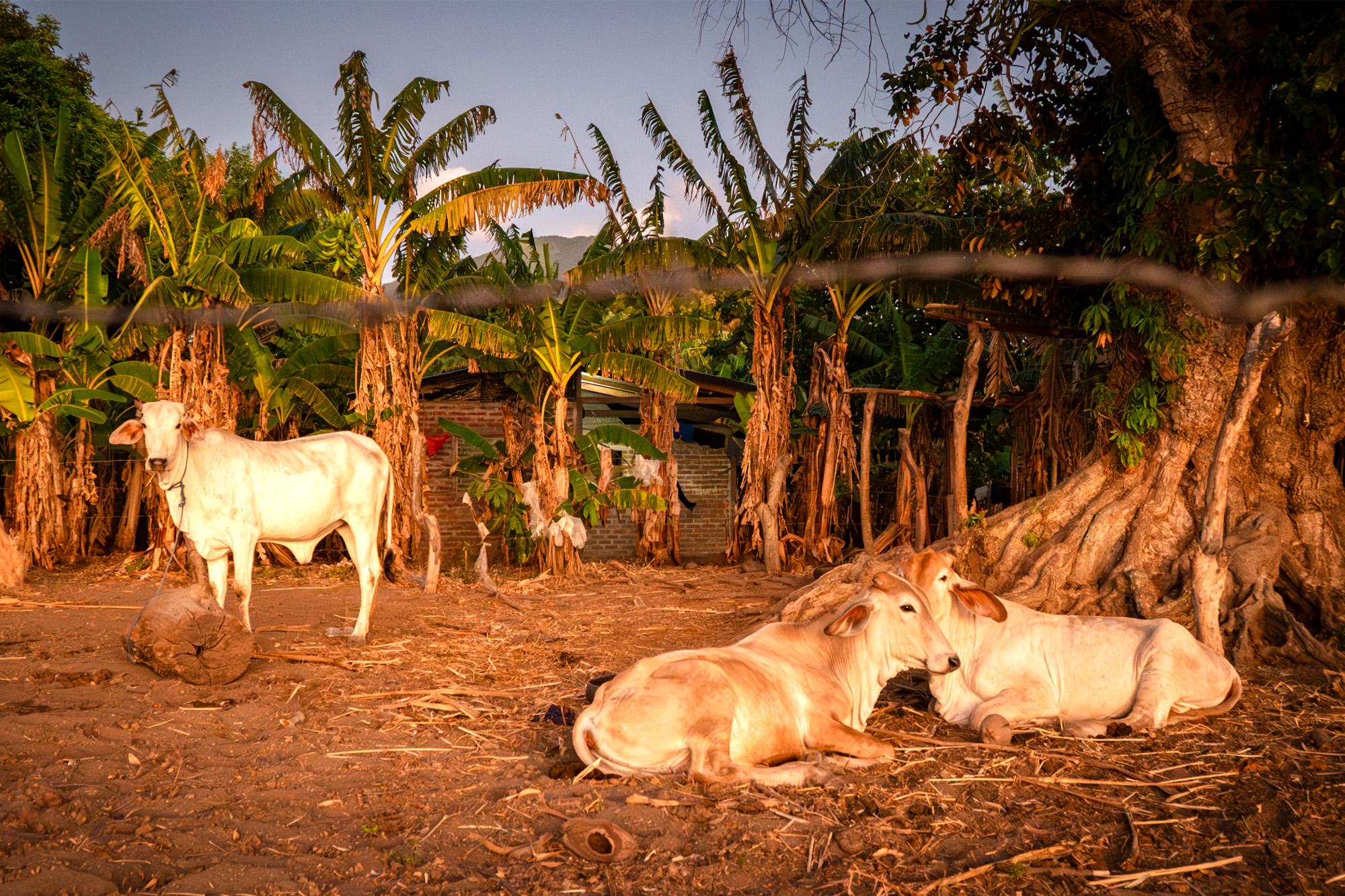
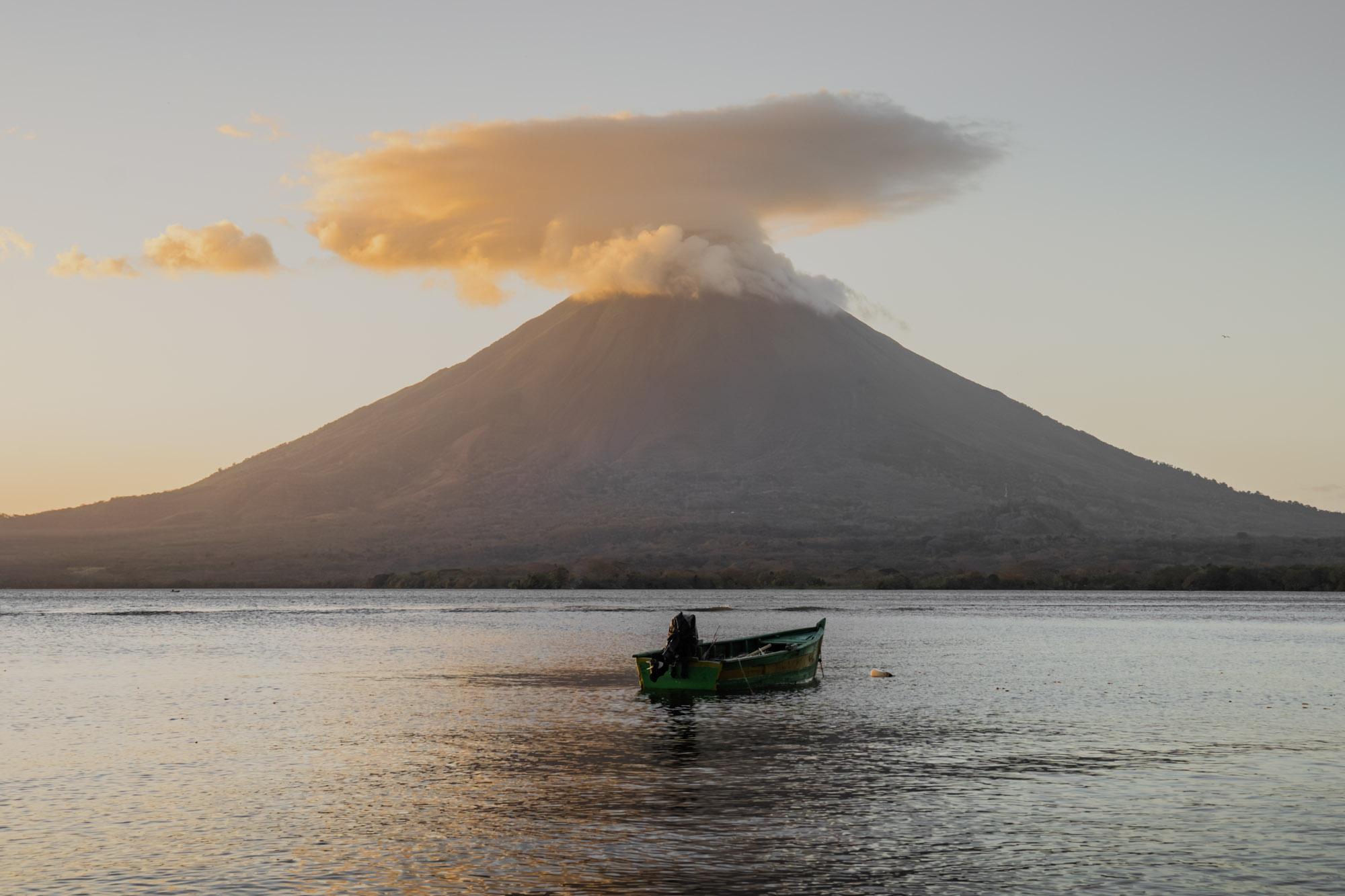
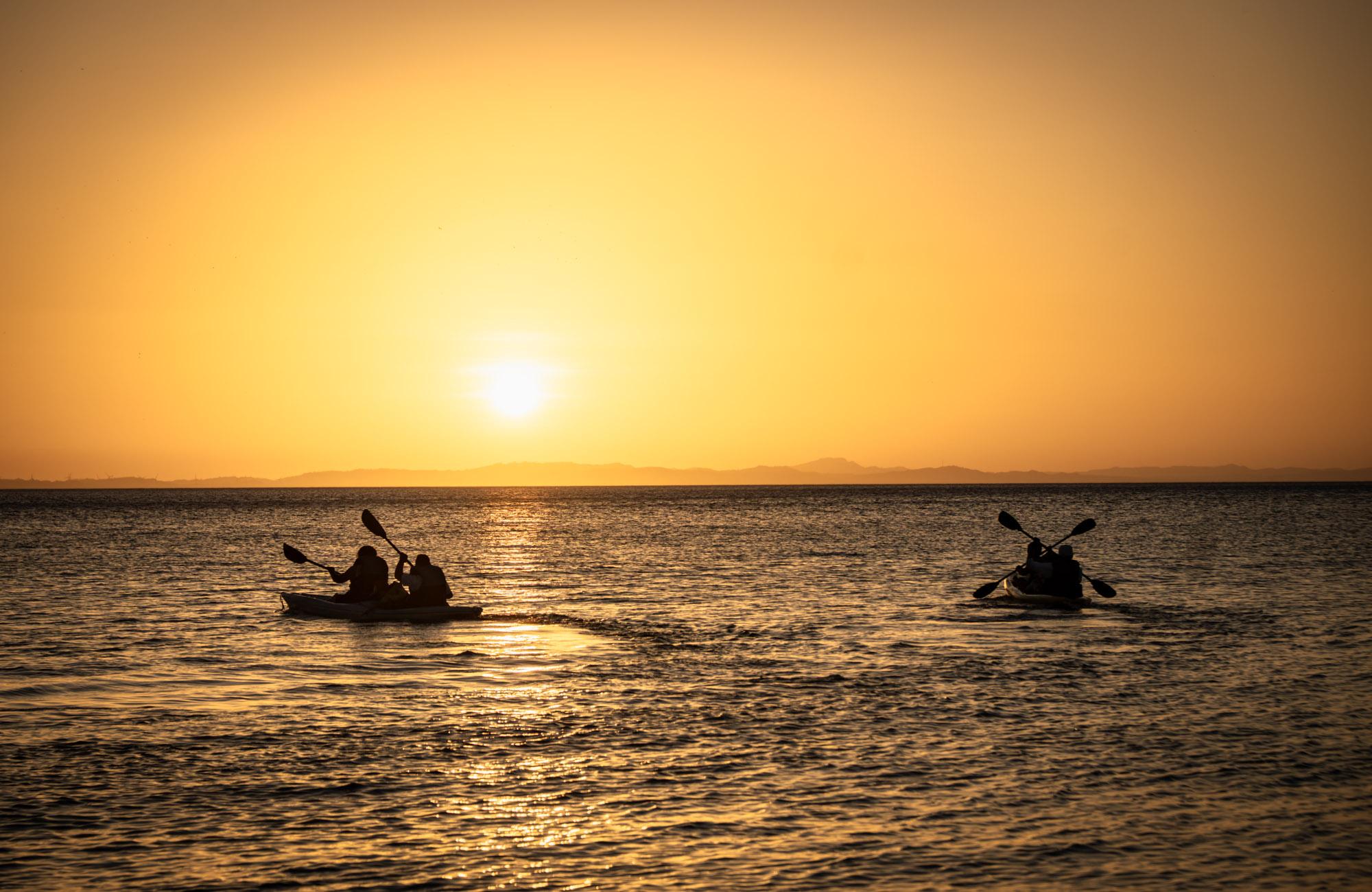
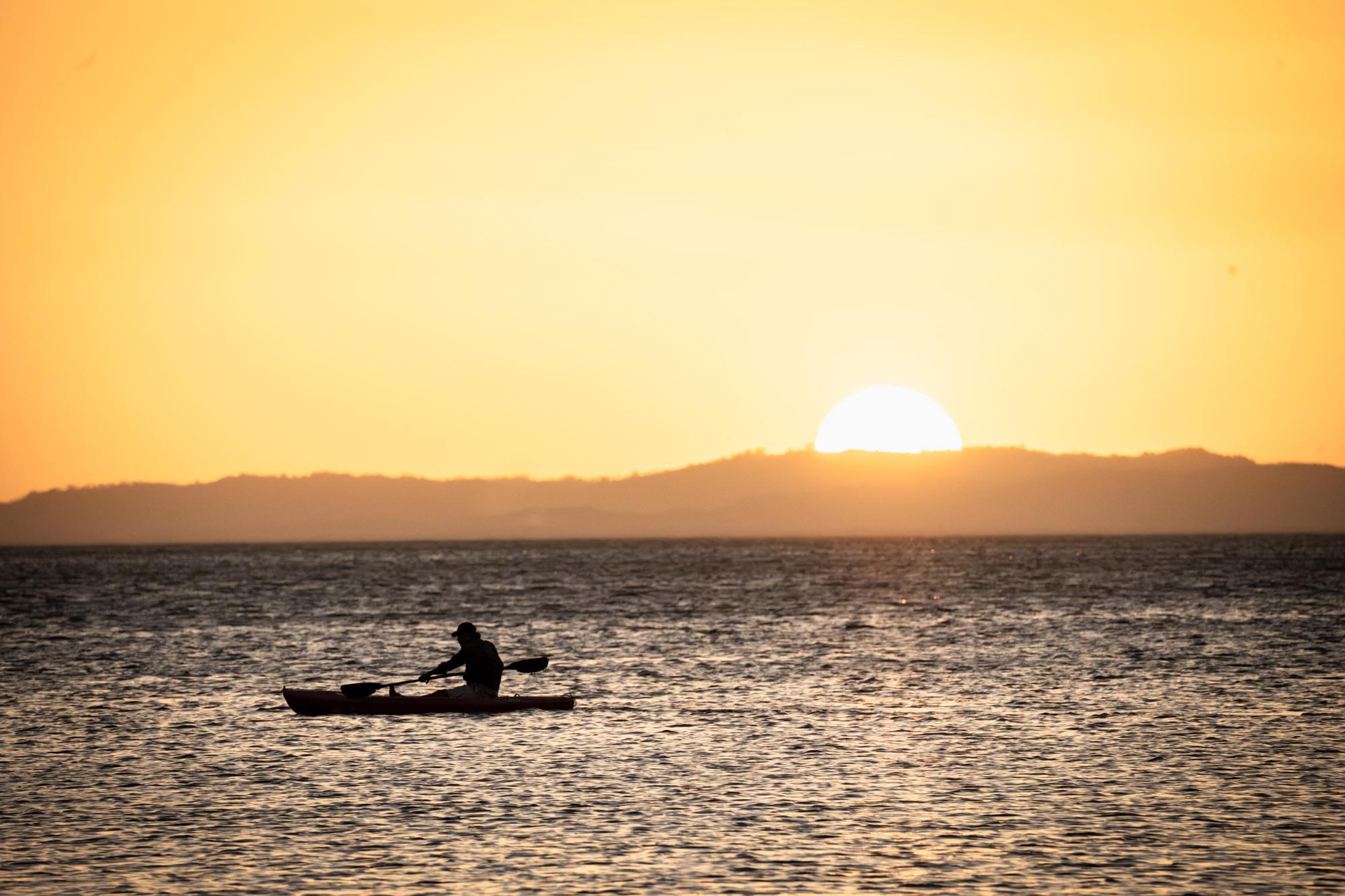
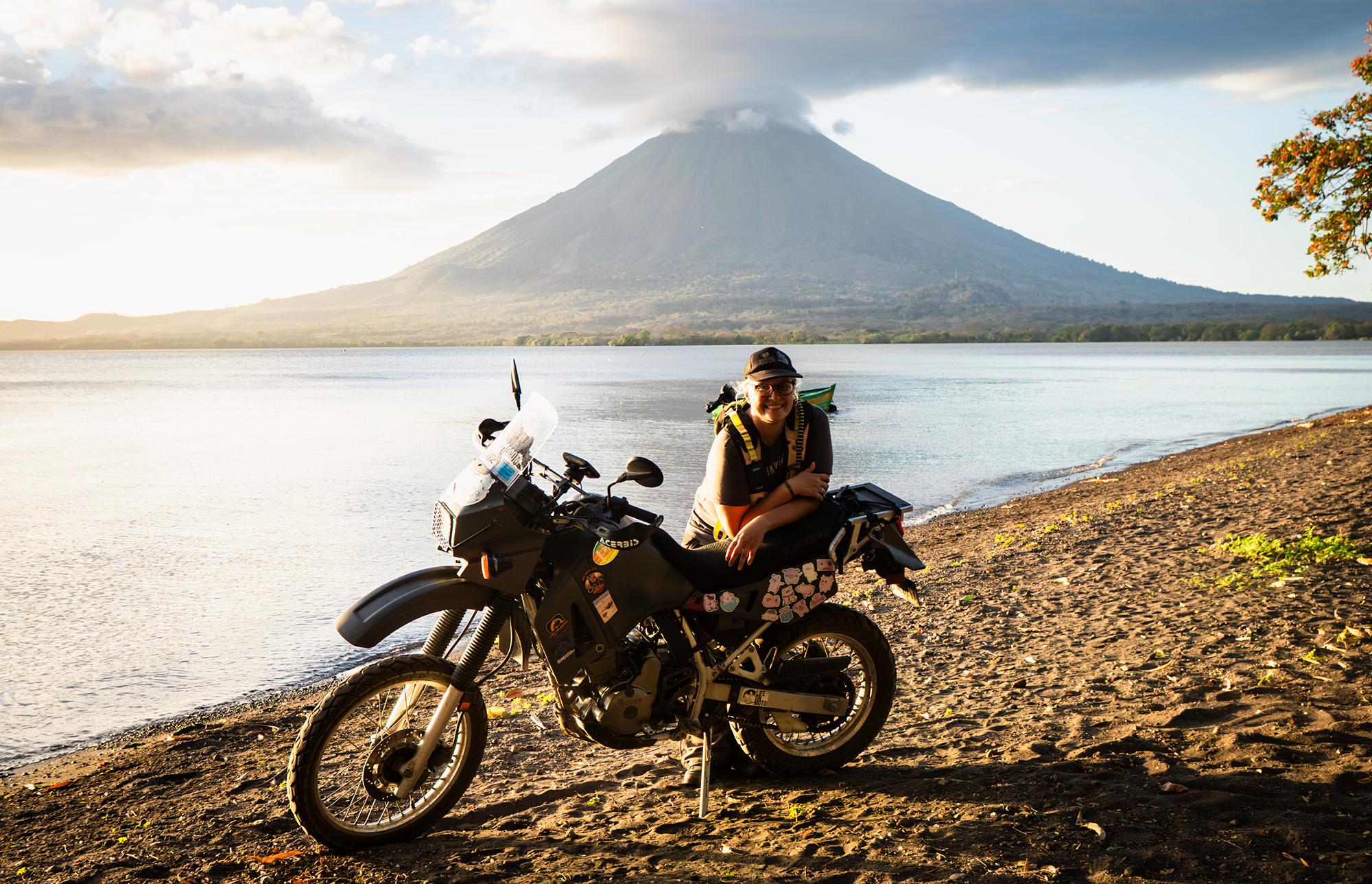
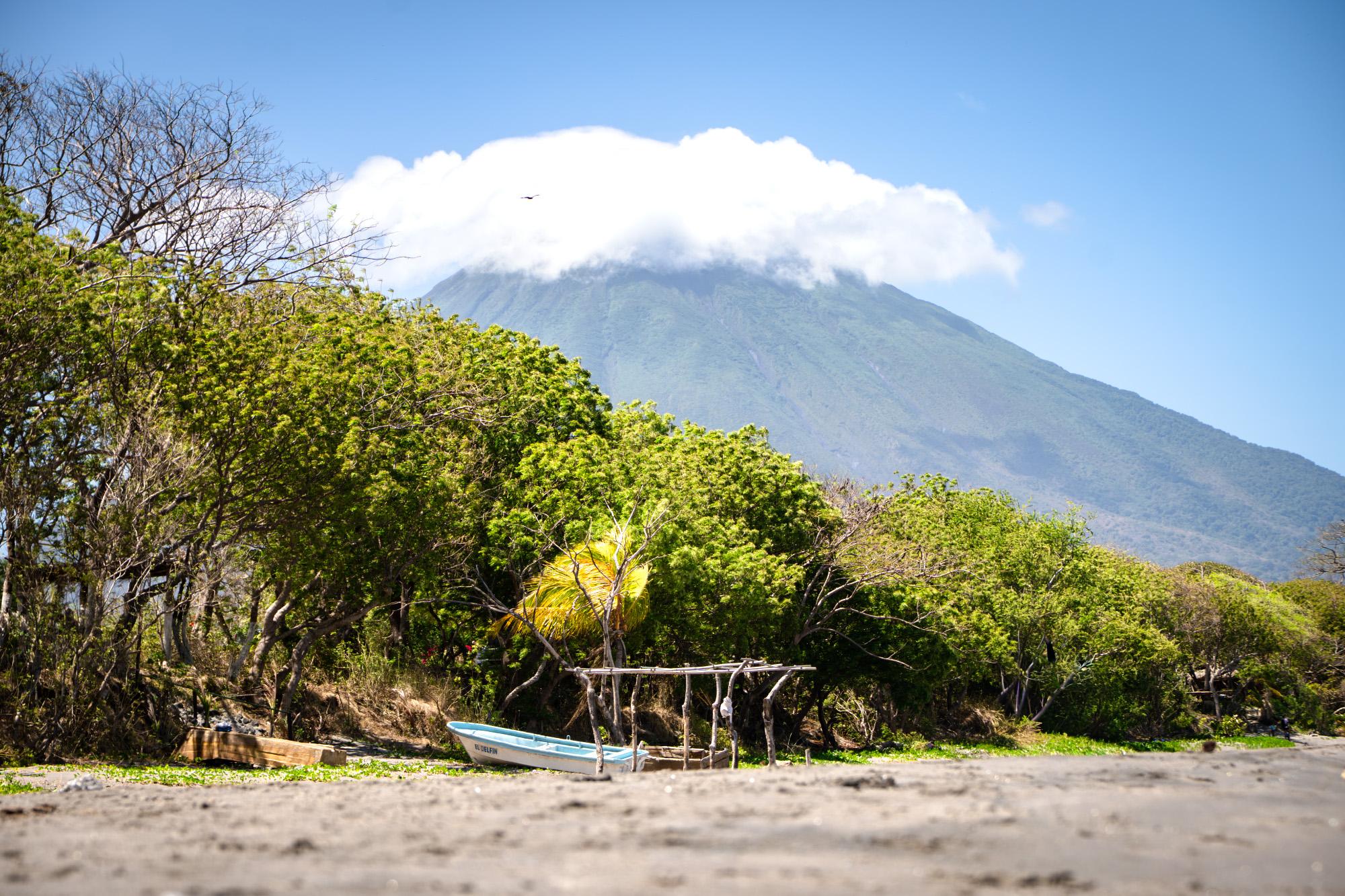
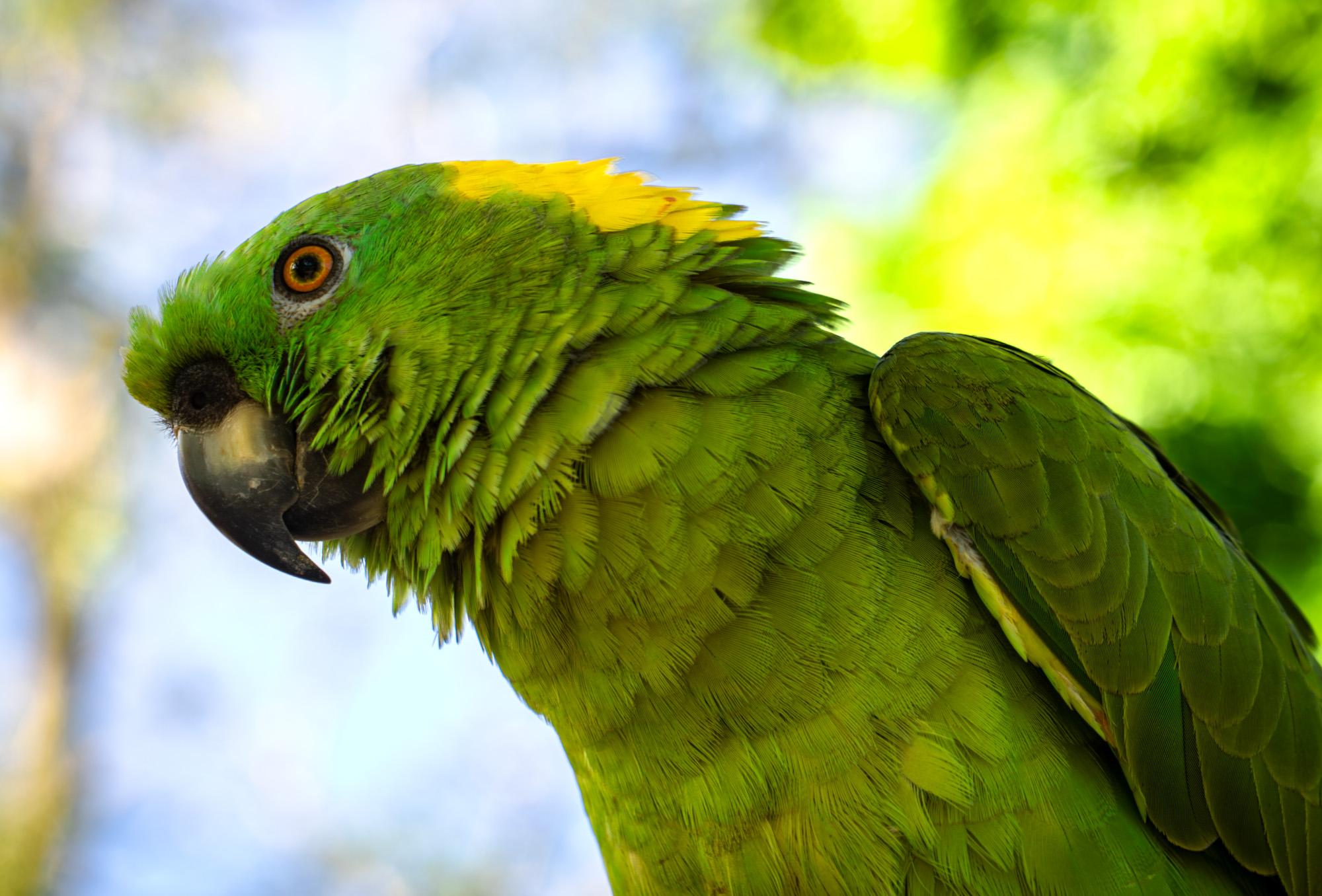
La Sirenita was located right on the shore of Lake Nicaragua, with an incredible view of the volcano, surrounded by the greenery of tall trees and banana plantations. In the morning, we were awakened by the howling of howler monkeys and the piercing calls of birds that filled the entire area, reminding us that we were in the heart of tropical nature. We spent our days traveling around the island and exploring its hidden corners, and our evenings were usually spent on the lakeshore, watching as the setting sun bathed everything around us in a golden glow.
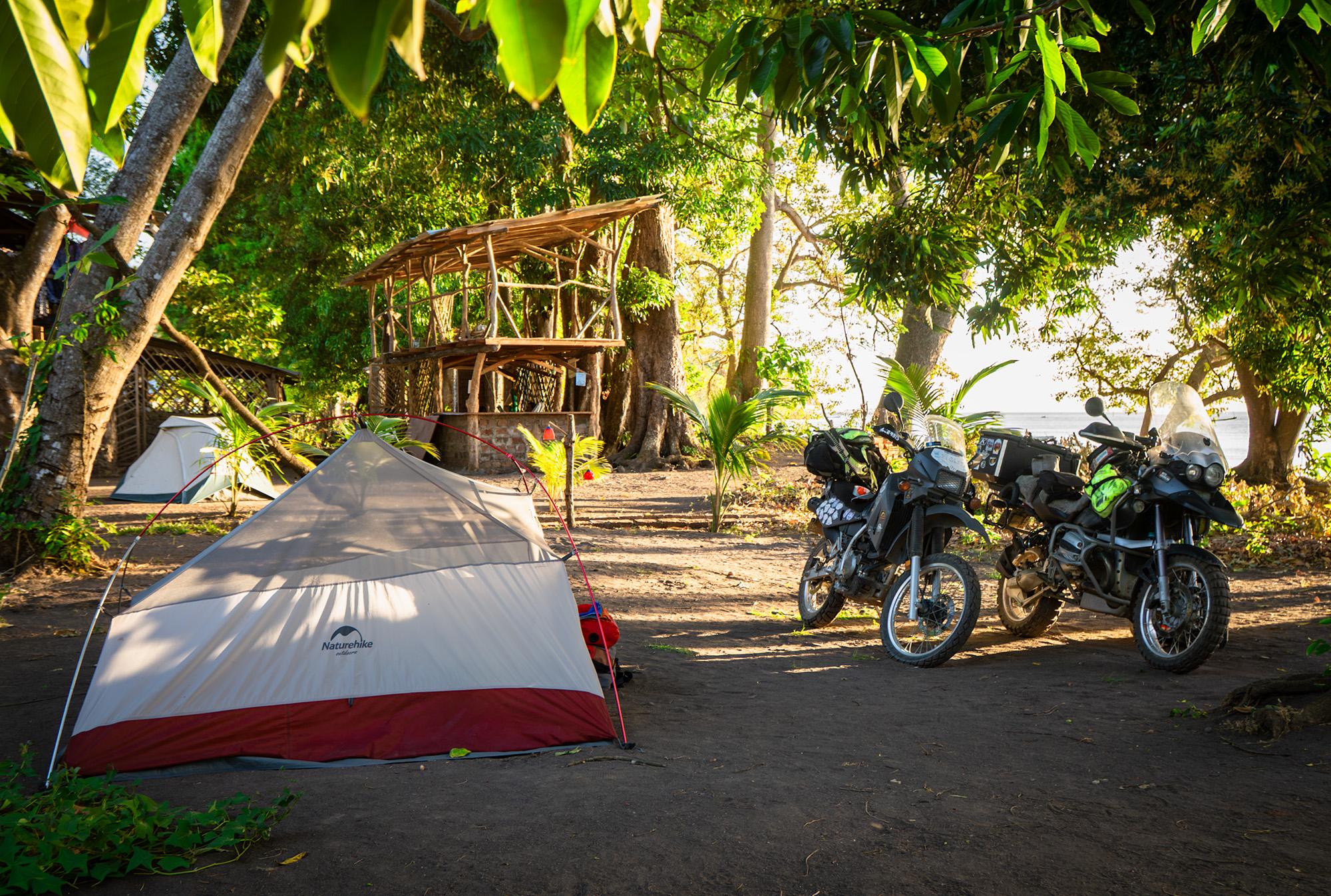
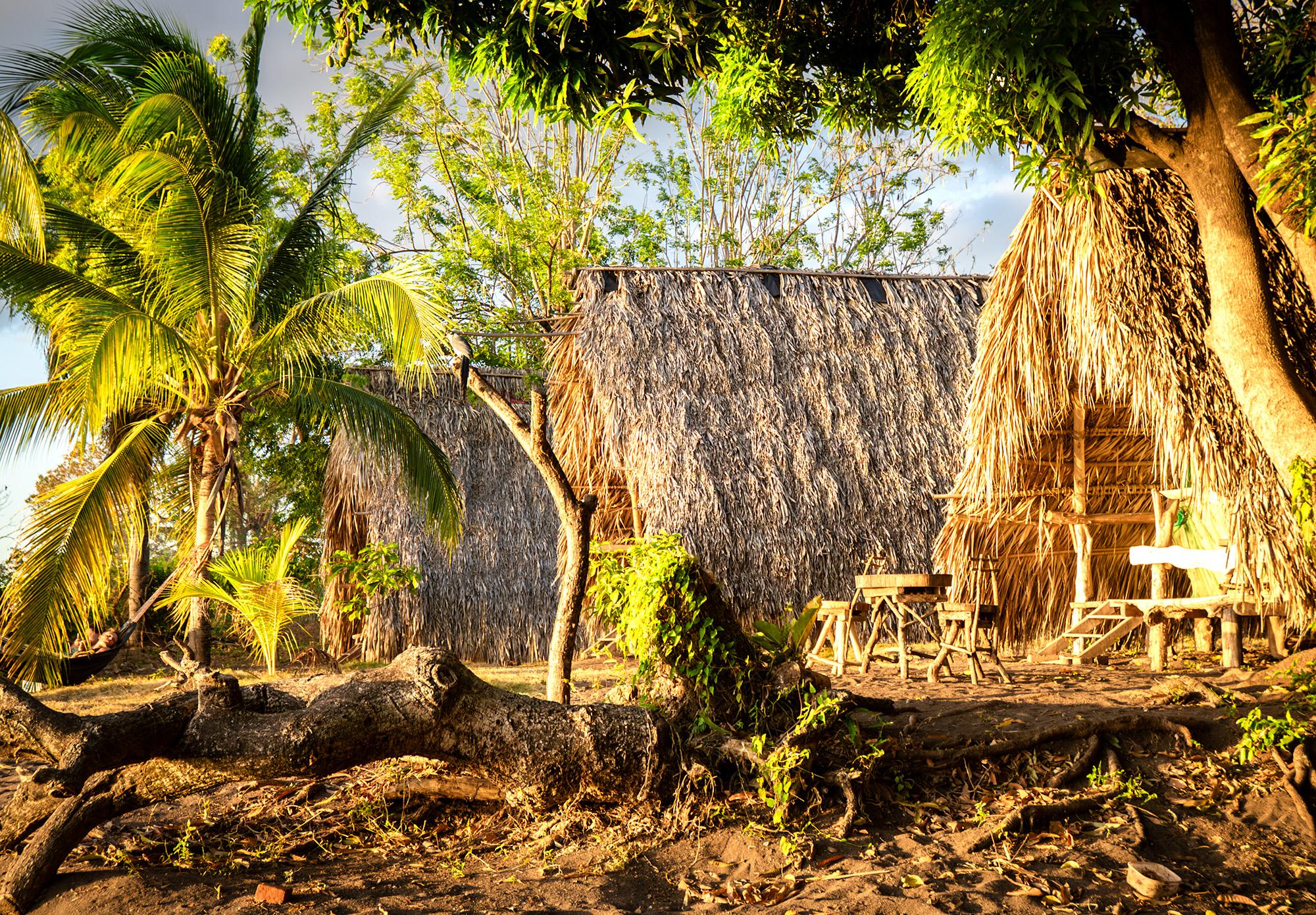
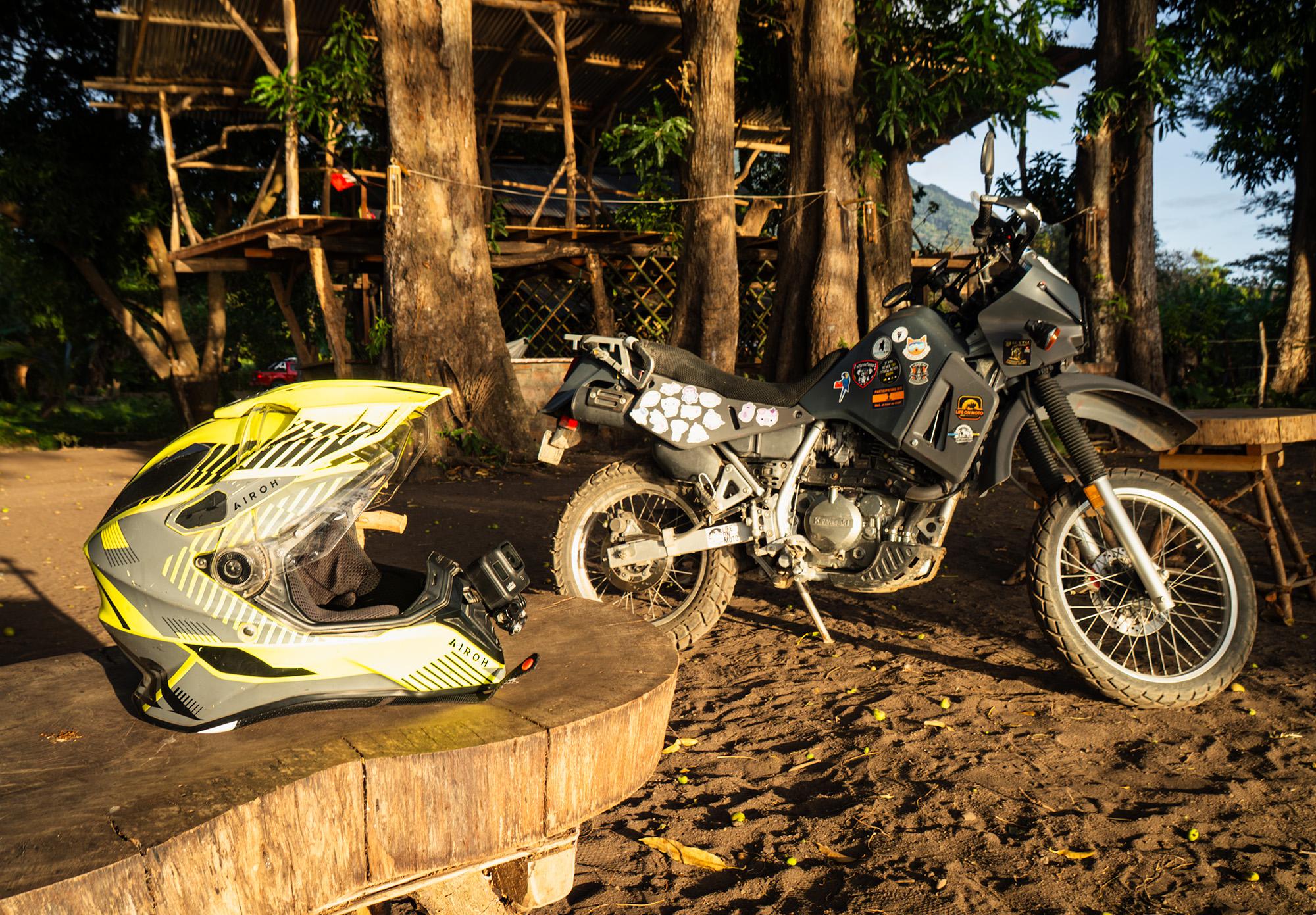
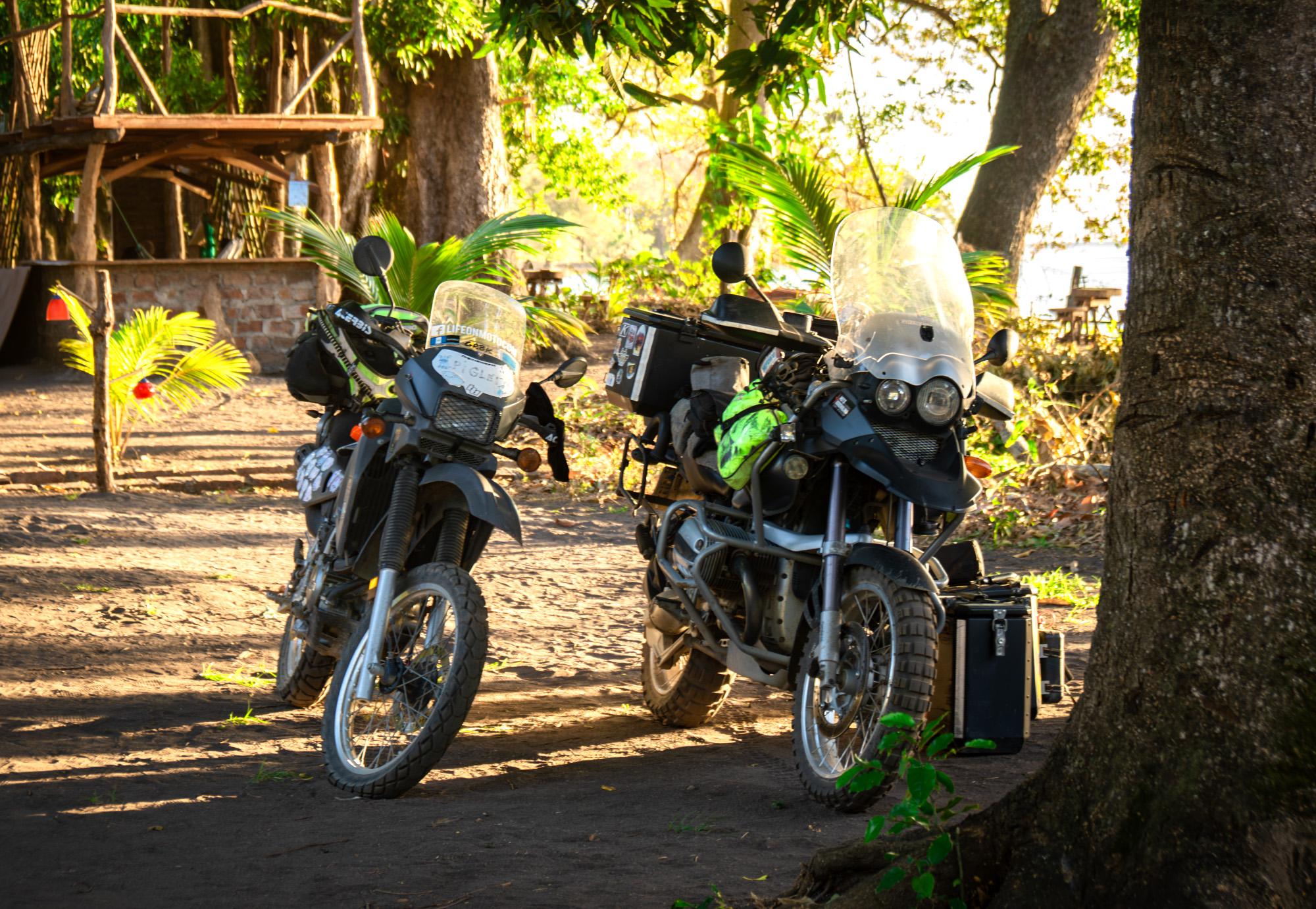
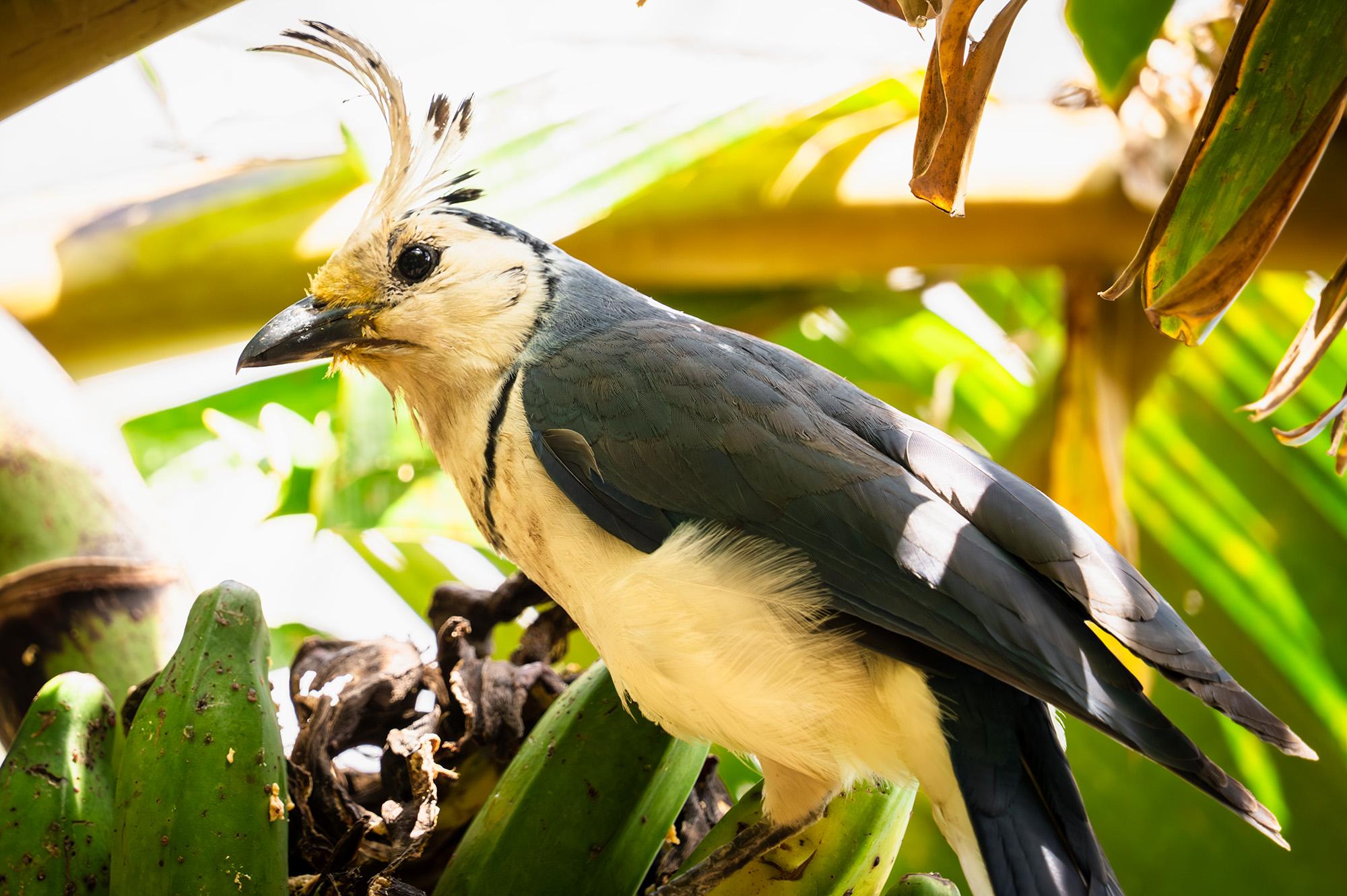
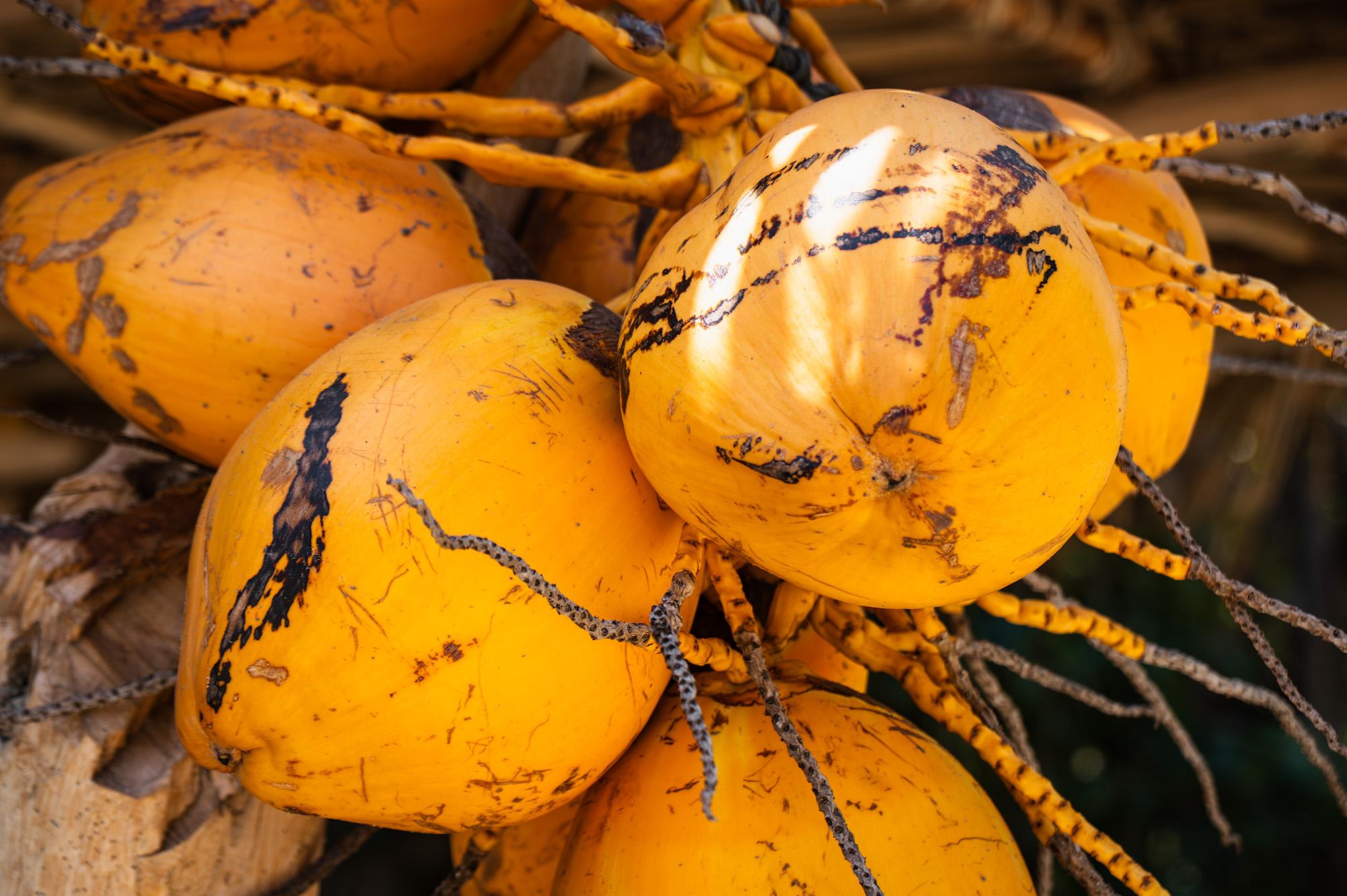
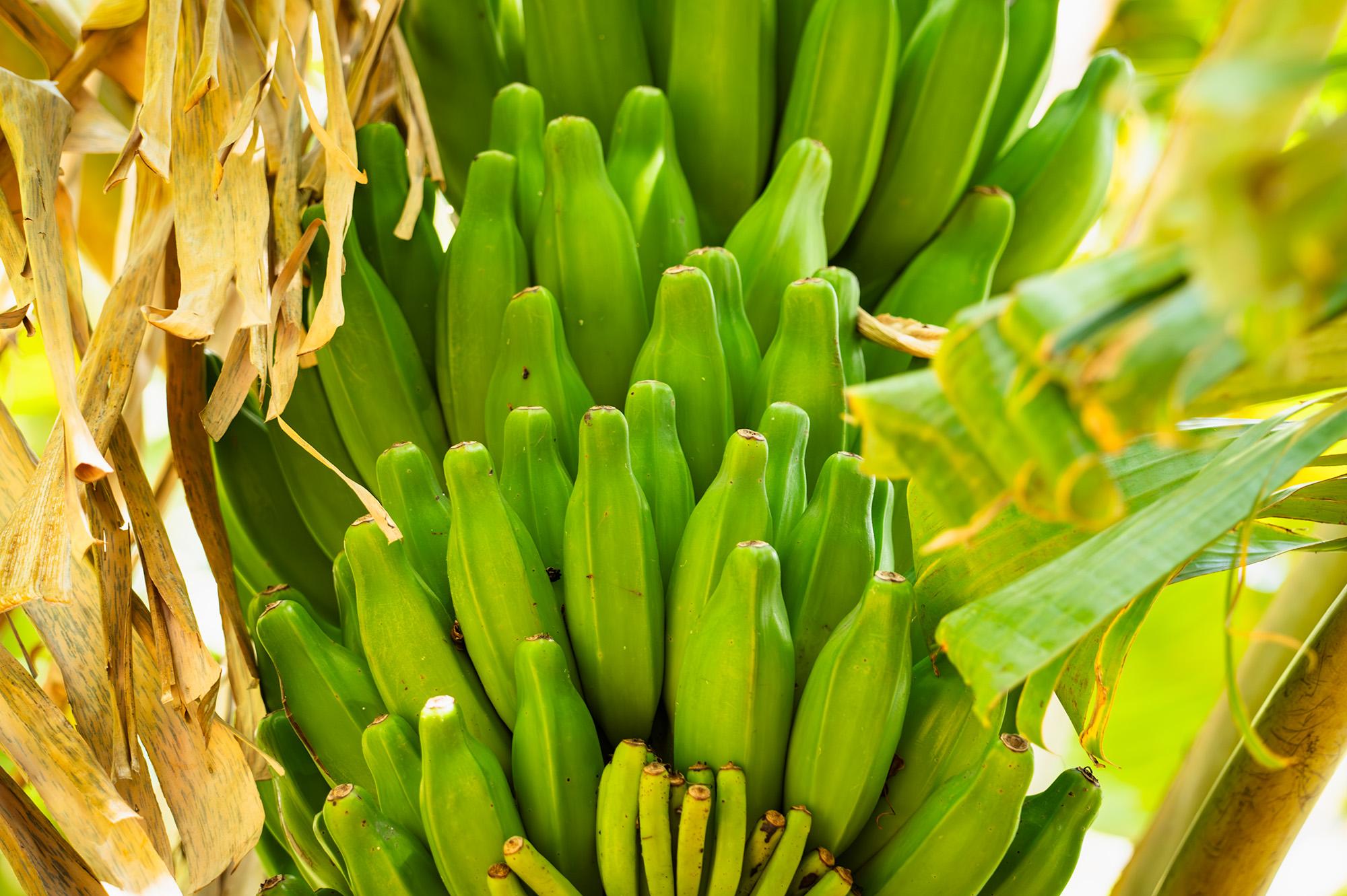
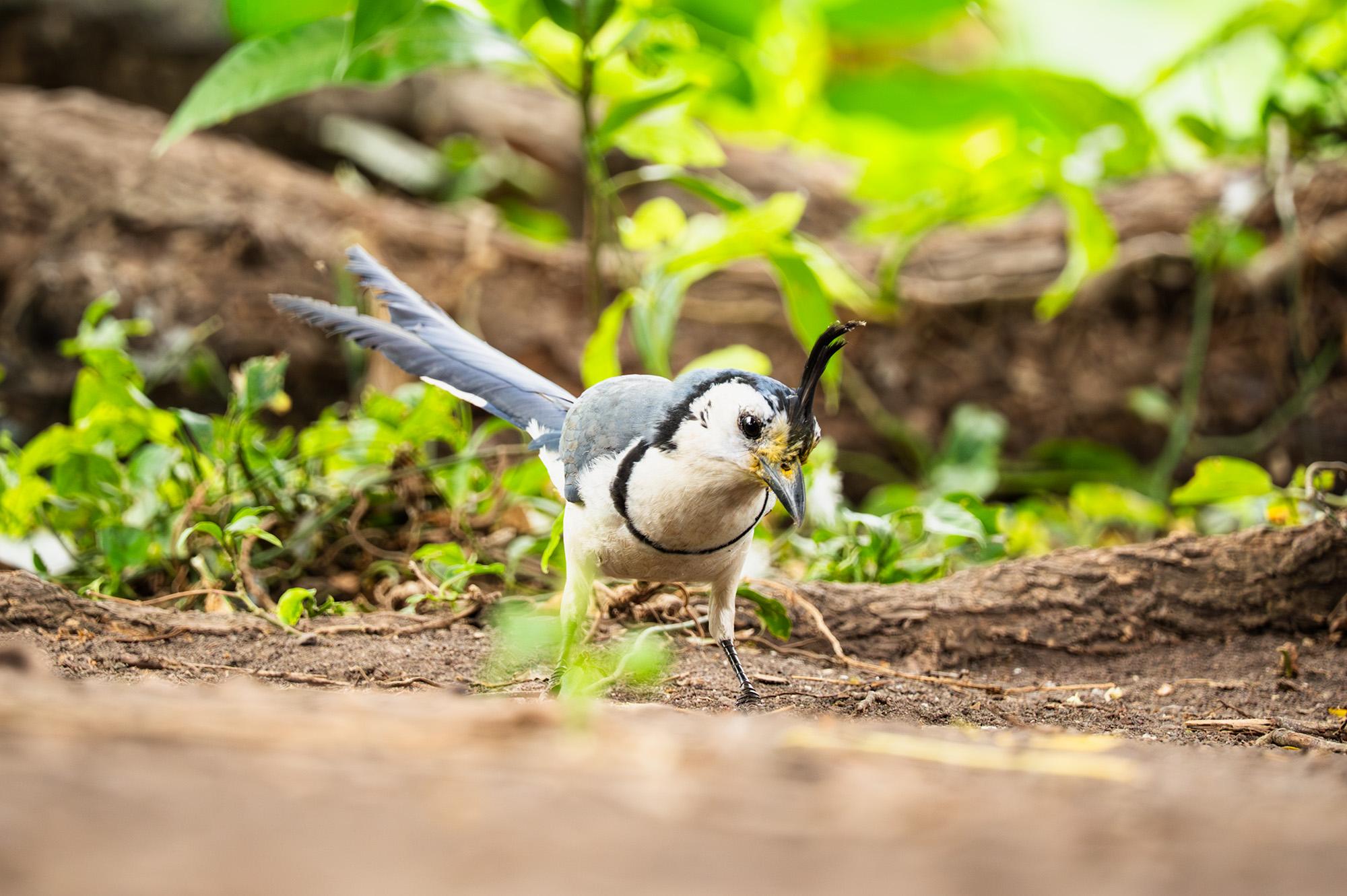
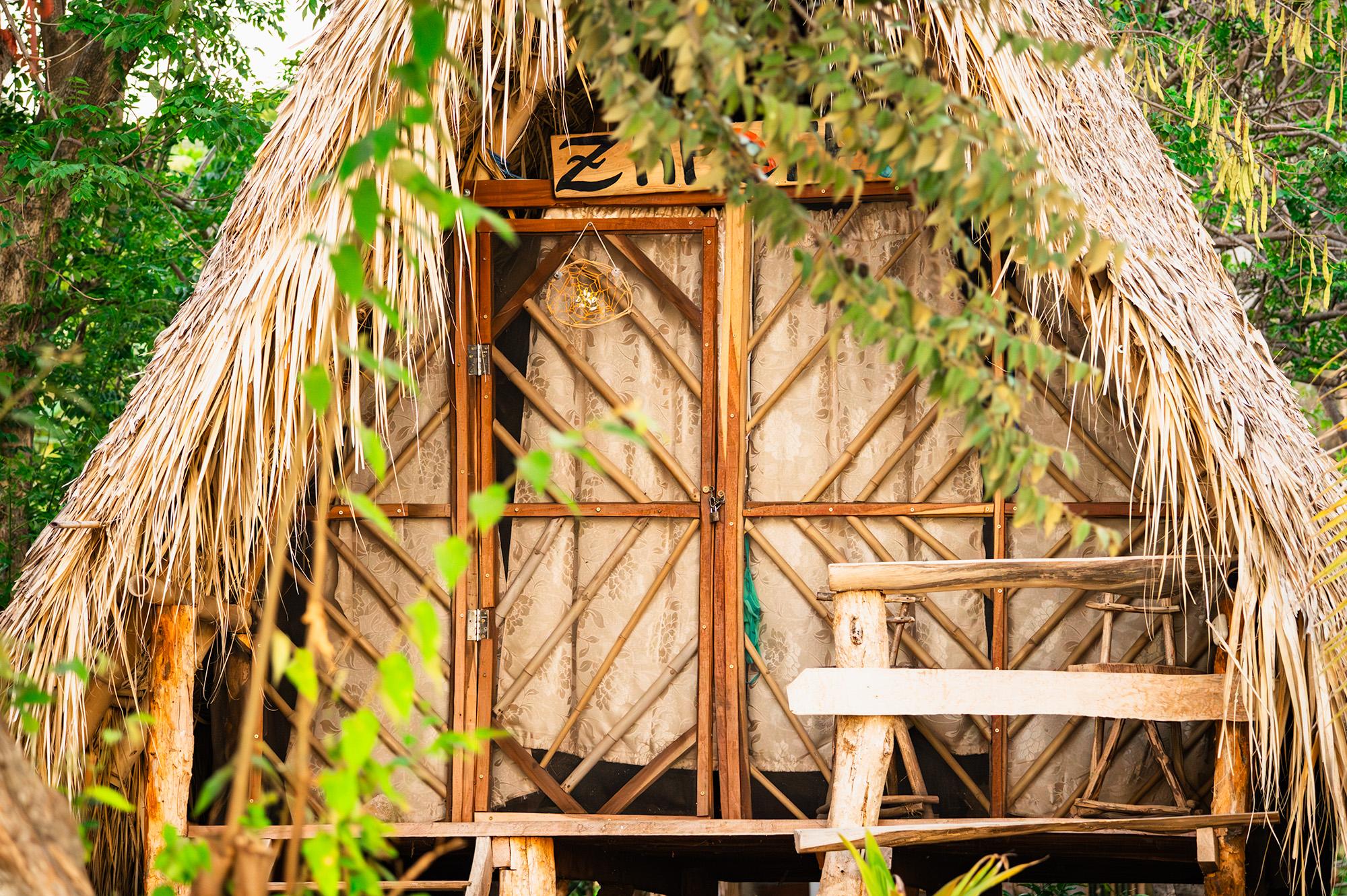
When writing about Ometepe, we couldn’t not mention this place and its owner – Lukas. It’s thanks to people like him that our travels stay with us long after we return home. From the very first moments, we felt welcome and well taken care of here. Lukas devoted a lot of time to us, eagerly sharing stories about the island, nearby attractions, and daily life in Nicaragua. We also talked about how the country is changing and what those changes look like from the perspective of someone who has decided to make a life there. This place will remain in our hearts for a long time and was undoubtedly one of the highlights of our stay on Ometepe.
AROUND EL CONCEPCION VOLCANO
The volcano Concepcion, towering over the island, has held a special place in the beliefs of the indigenous people of Ometepe for centuries. For the peoples inhabiting this region, it was not merely a mighty mountain dominating the landscape, but a sacred place where the world of humans intertwined with the world of spirits and the forces of nature. The volcano has an almost perfectly conical shape and is visible from nearly every corner of the island, like a guardian watching over its inhabitants, a constant reminder of the power of nature and the force that lies dormant within it.
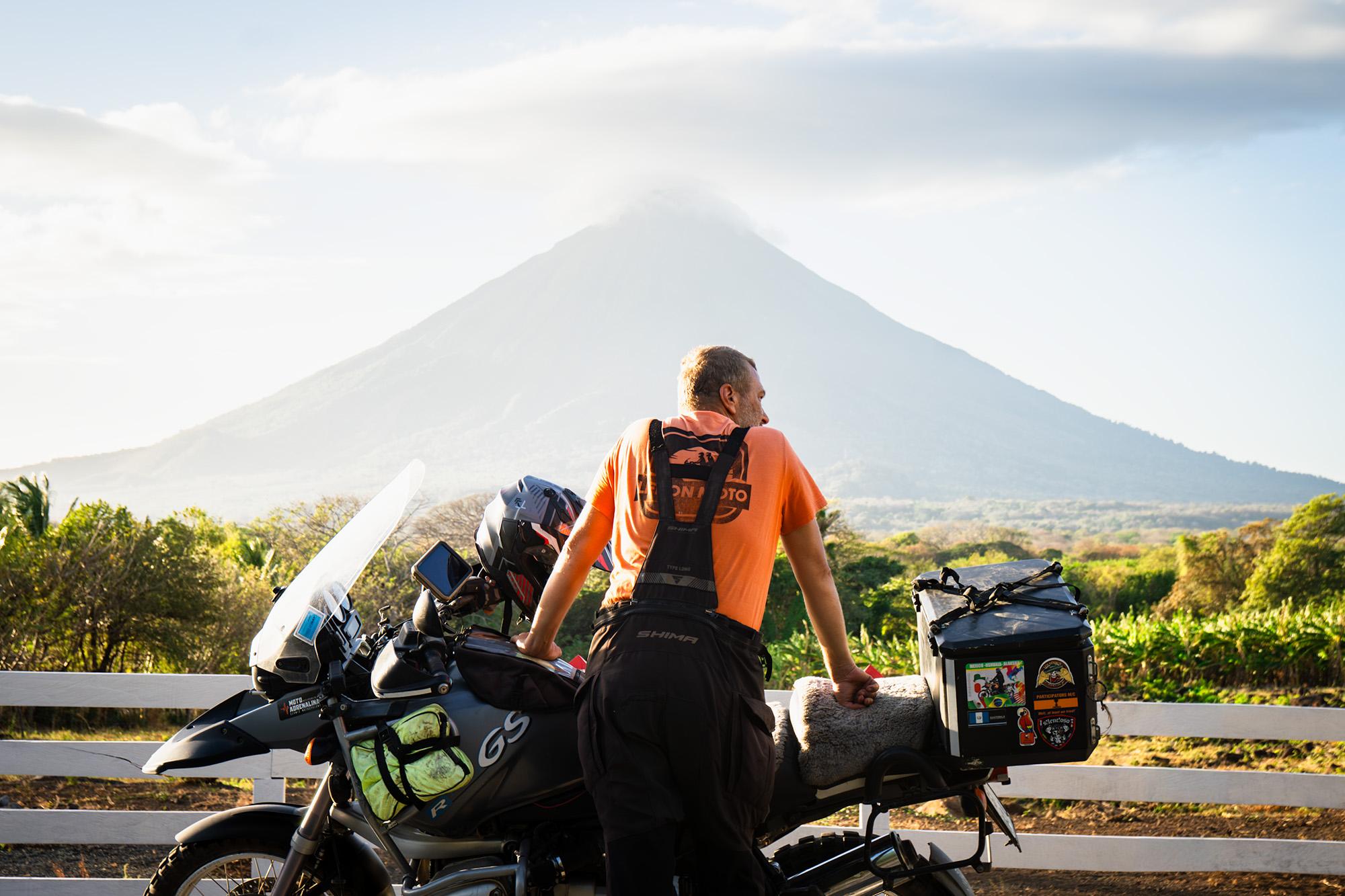
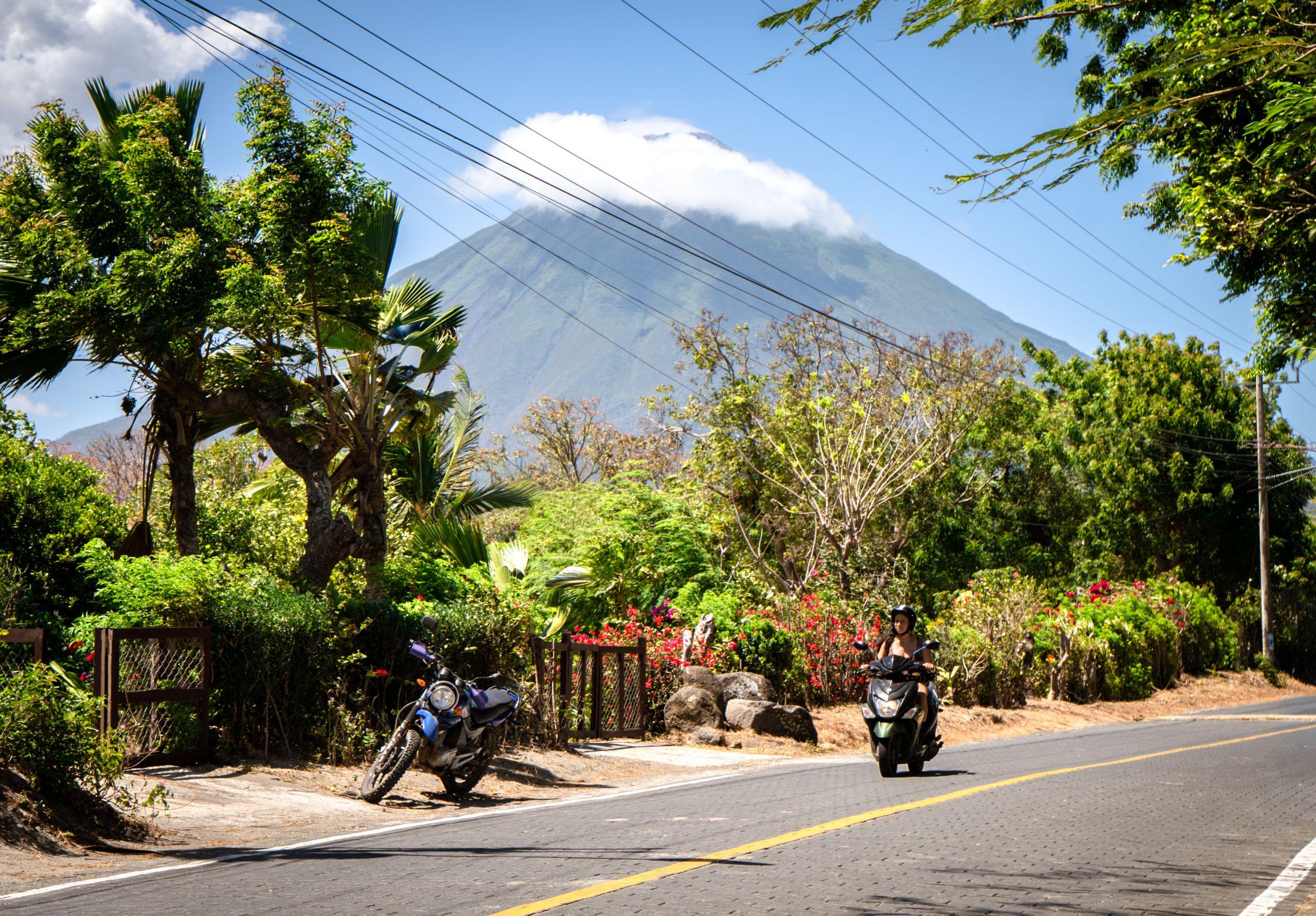
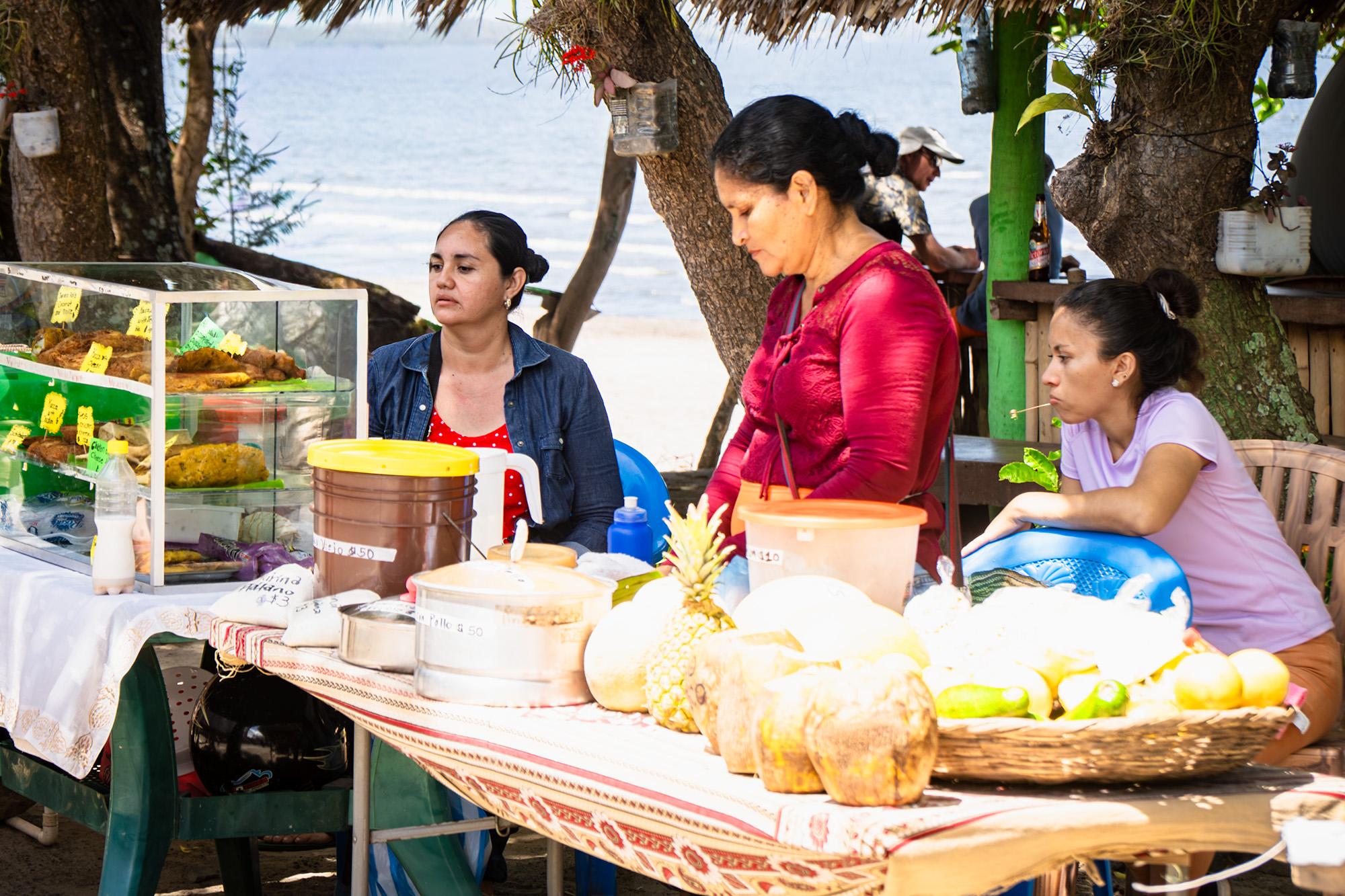
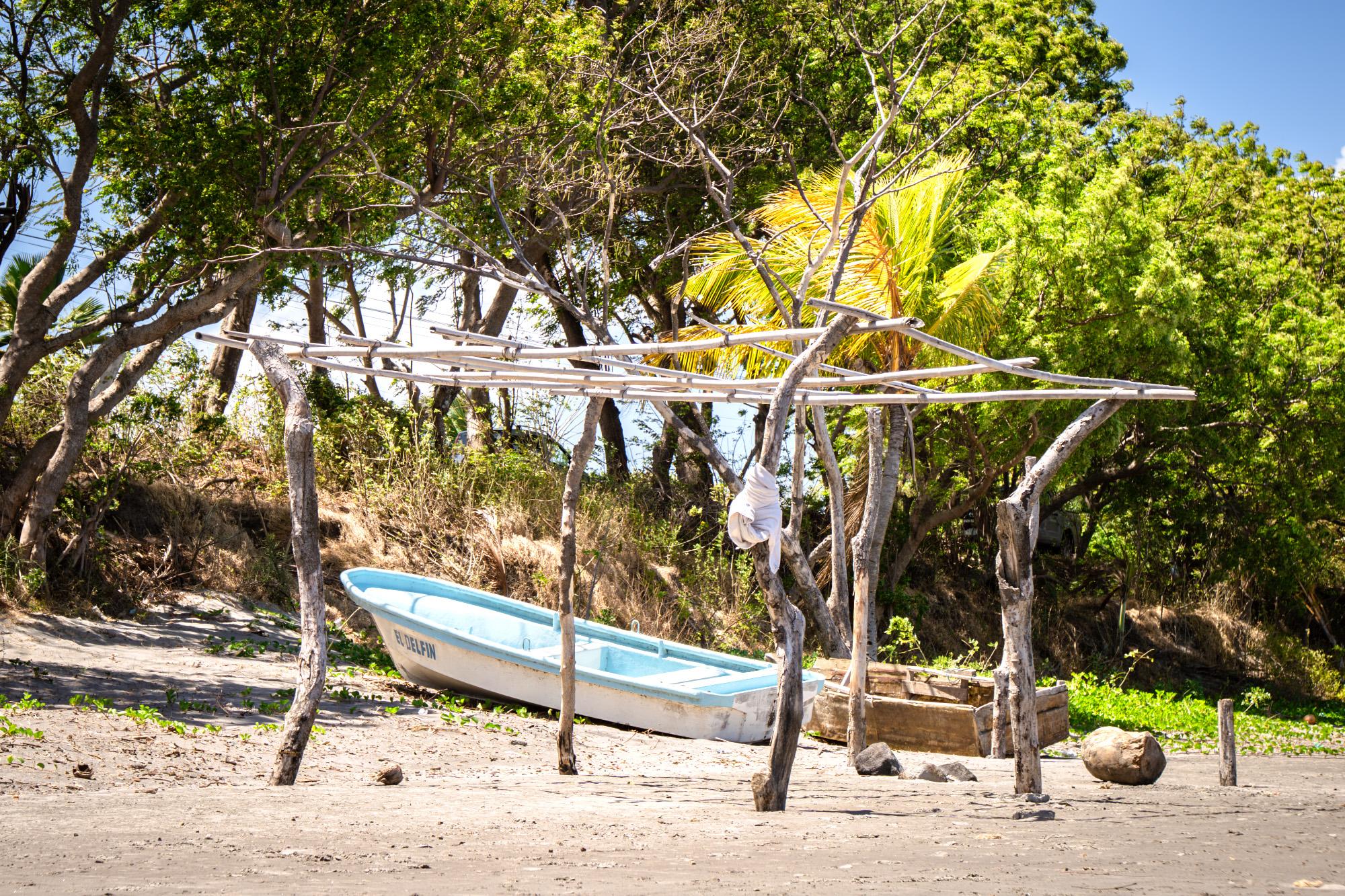
The road around the volcano is a very pleasant and relatively easy drive, winding through banana plantations, small towns, and green fields. Every so often, the route approached the lake’s shore, running along beaches where we could watch dozens of birds wading in the water. Past the town of Altagracia, we turned onto a gravel road that led us to the tiny village of La Polonia, which is connected to a very interesting story about one of our compatriots.
A POLISH IMPACT ON OMETEPE
Władysław Chwalbiński was a Polish priest who served on the island for many years and had a tangible impact on the lives of the local community. He worked primarily in the Altagracia region, where he was involved not only in pastoral work but also in the education and social development of the residents. It was thanks to his initiatives that local educational projects were established, and his work is still remembered by residents today as an important part of the island’s history.
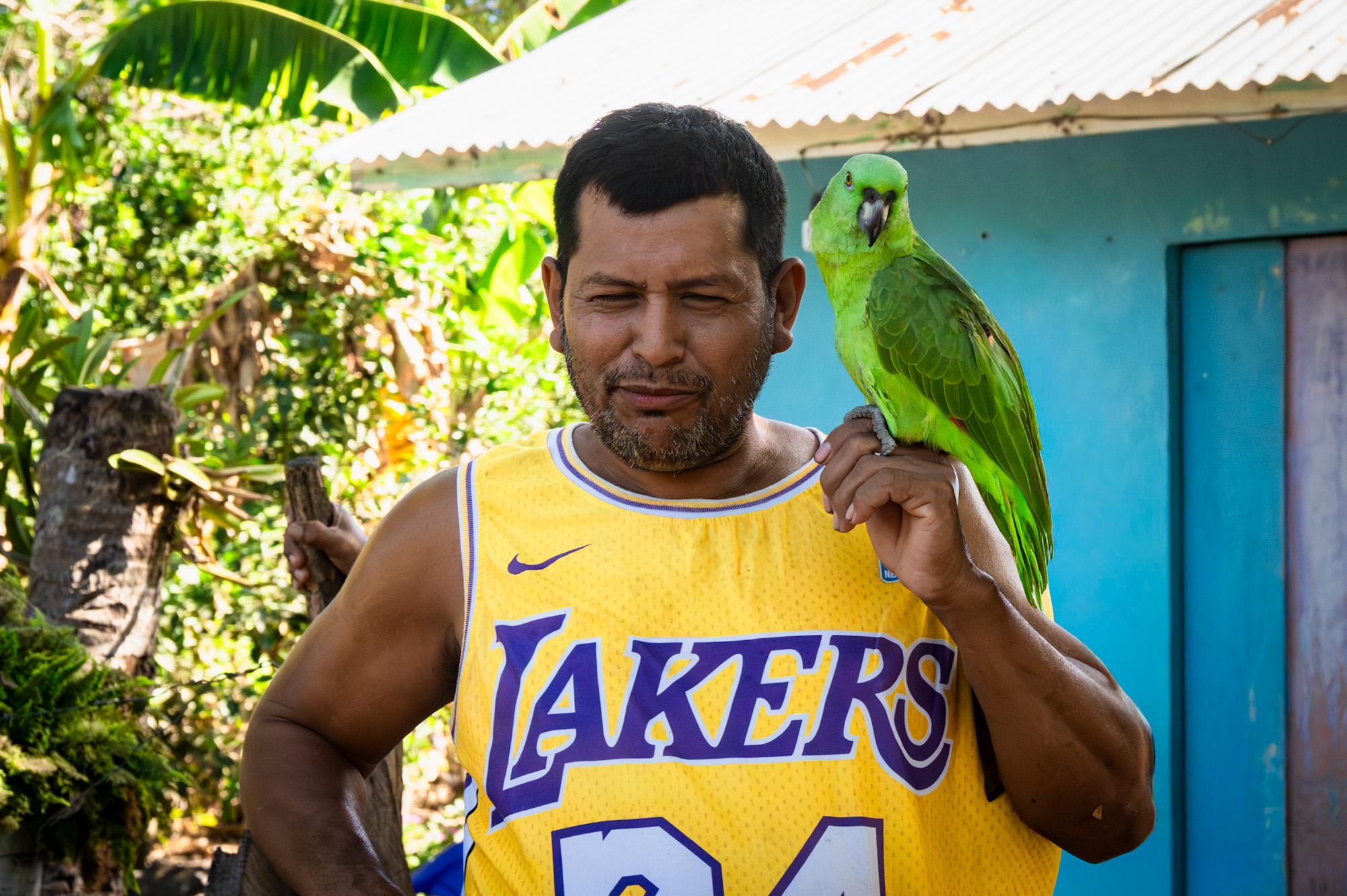
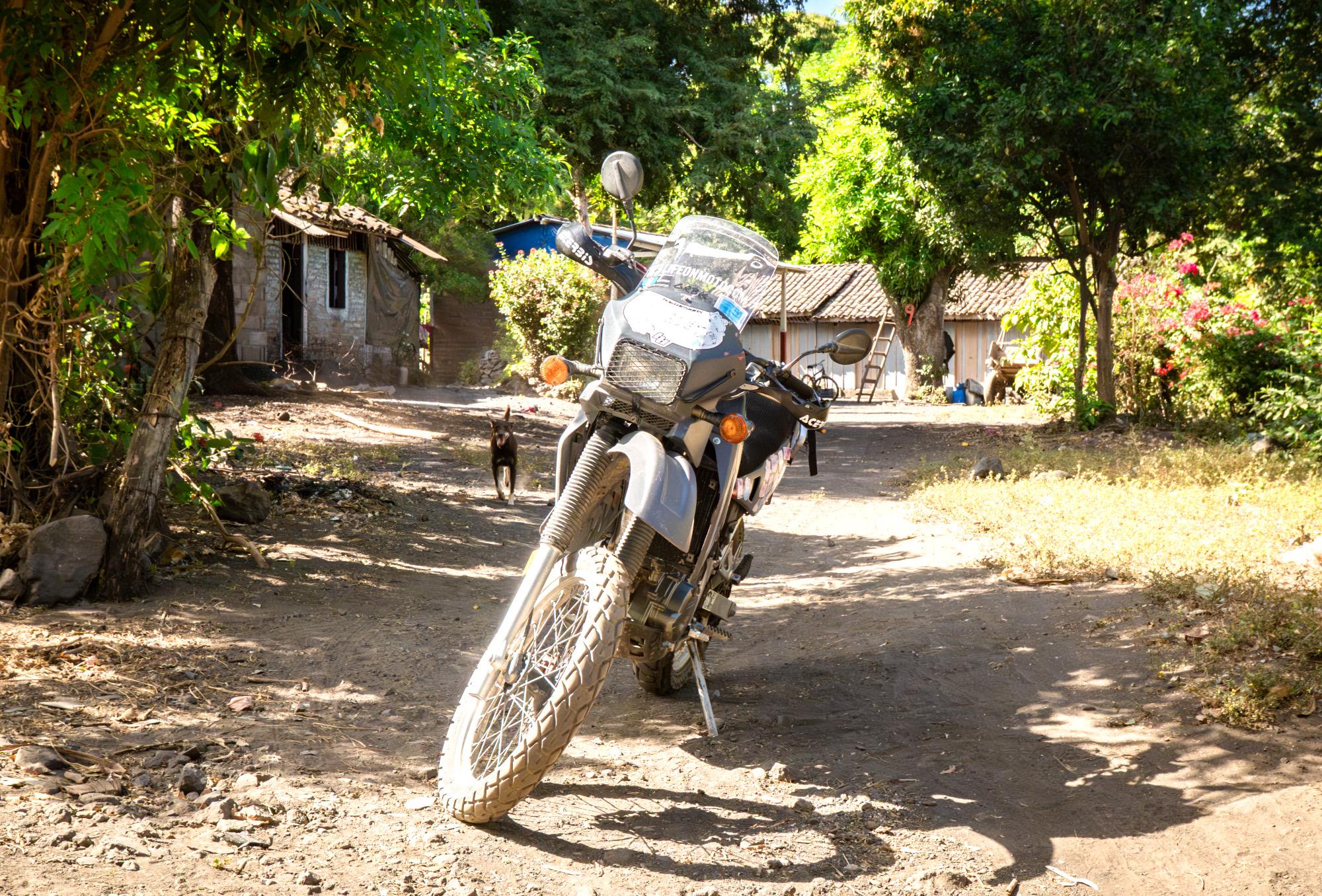
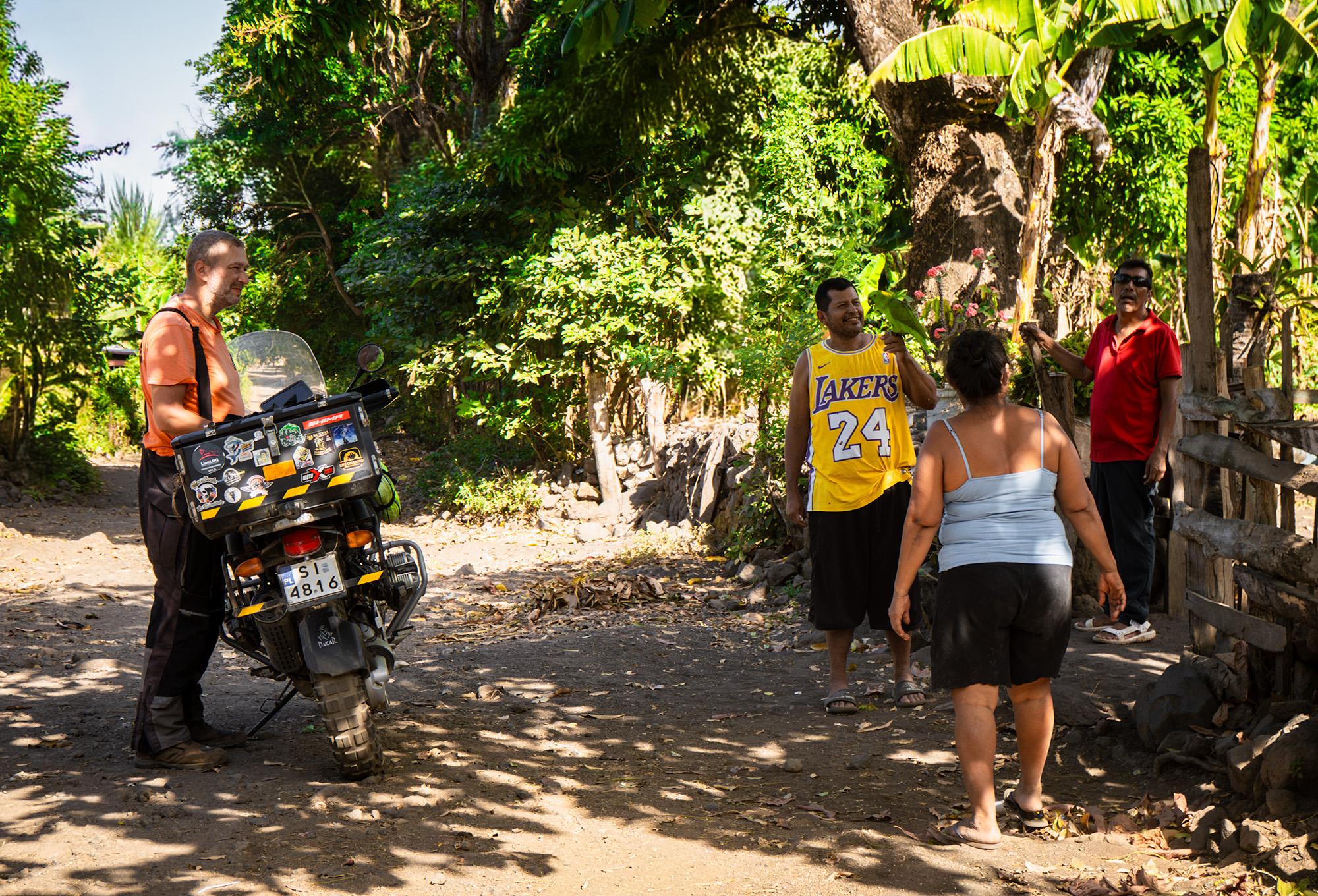
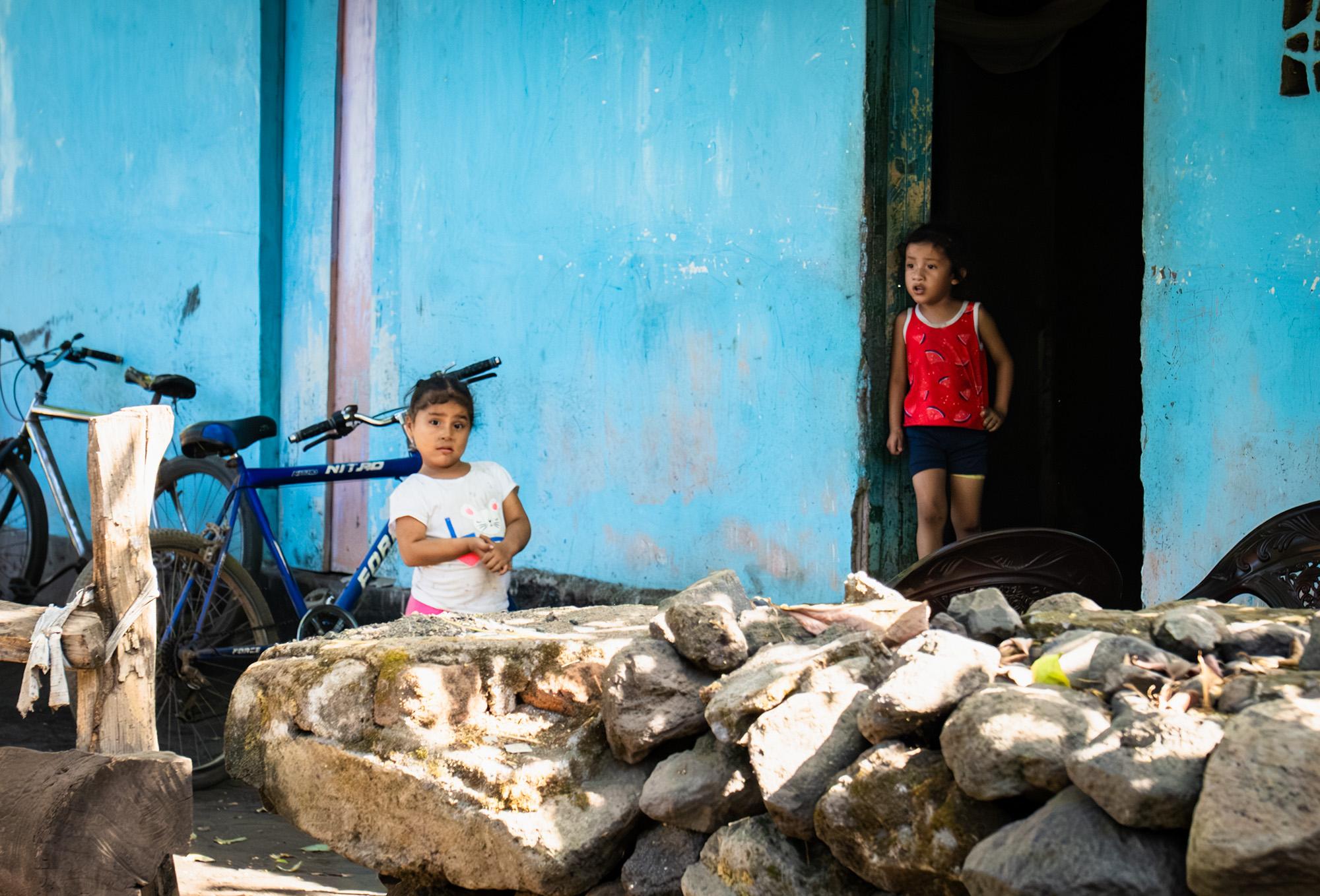
We found this out very quickly – on the very first day after arriving on Ometepe. As soon as one of the locals noticed our foreign license plates, he started asking where we were from. When he heard we were from Poland, he immediately mentioned a Polish priest who had worked on the island. Later, Lukas, who spoke Spanish better than we did, asked the locals about the Polish priest who had worked on the island, and that’s how we learned his name. It was a surprising discovery for us that, in the middle of a lake in Nicaragua, we would come across the story of a Pole – a single man who had such a profound impact on local life that the island’s residents still remember him and speak of his work.
AROUND EL MADERAS VOLCANO
El Maderas is the second volcano on the island of Ometepe. It is shorter and less imposing than Concepcion, but it stands out for its much wilder character. Its slopes are covered with dense cloud forests and tropical vegetation, which give it a completely different atmosphere. For the indigenous peoples, its green slopes were a symbol of life, fertility, and the rebirth of nature. In contrast to the raw power of Concepción, Maderas was seen as a gentler volcano, associated with the cycle of growth, rain, and harvest that shaped the daily lives of the island’s inhabitants.
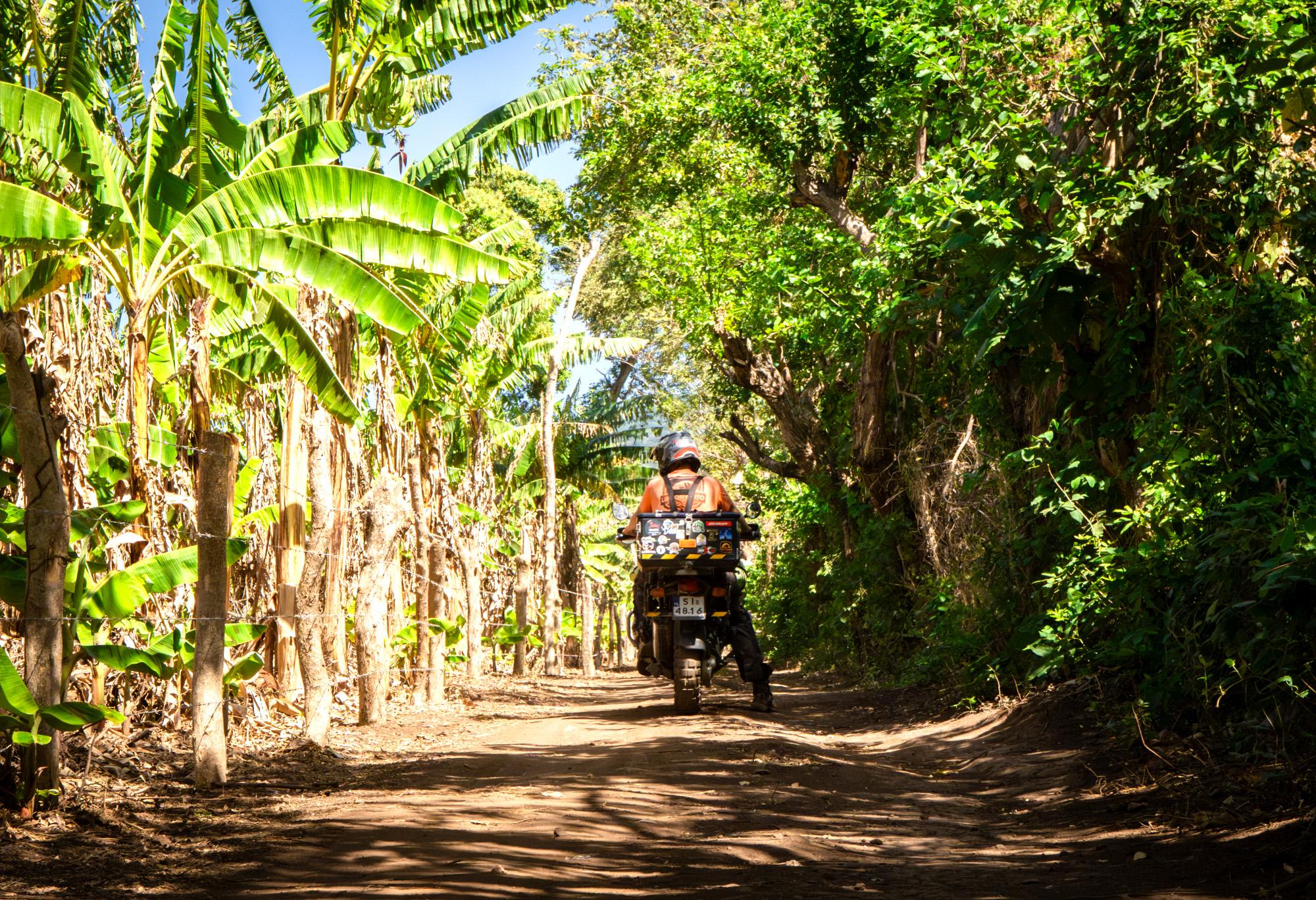
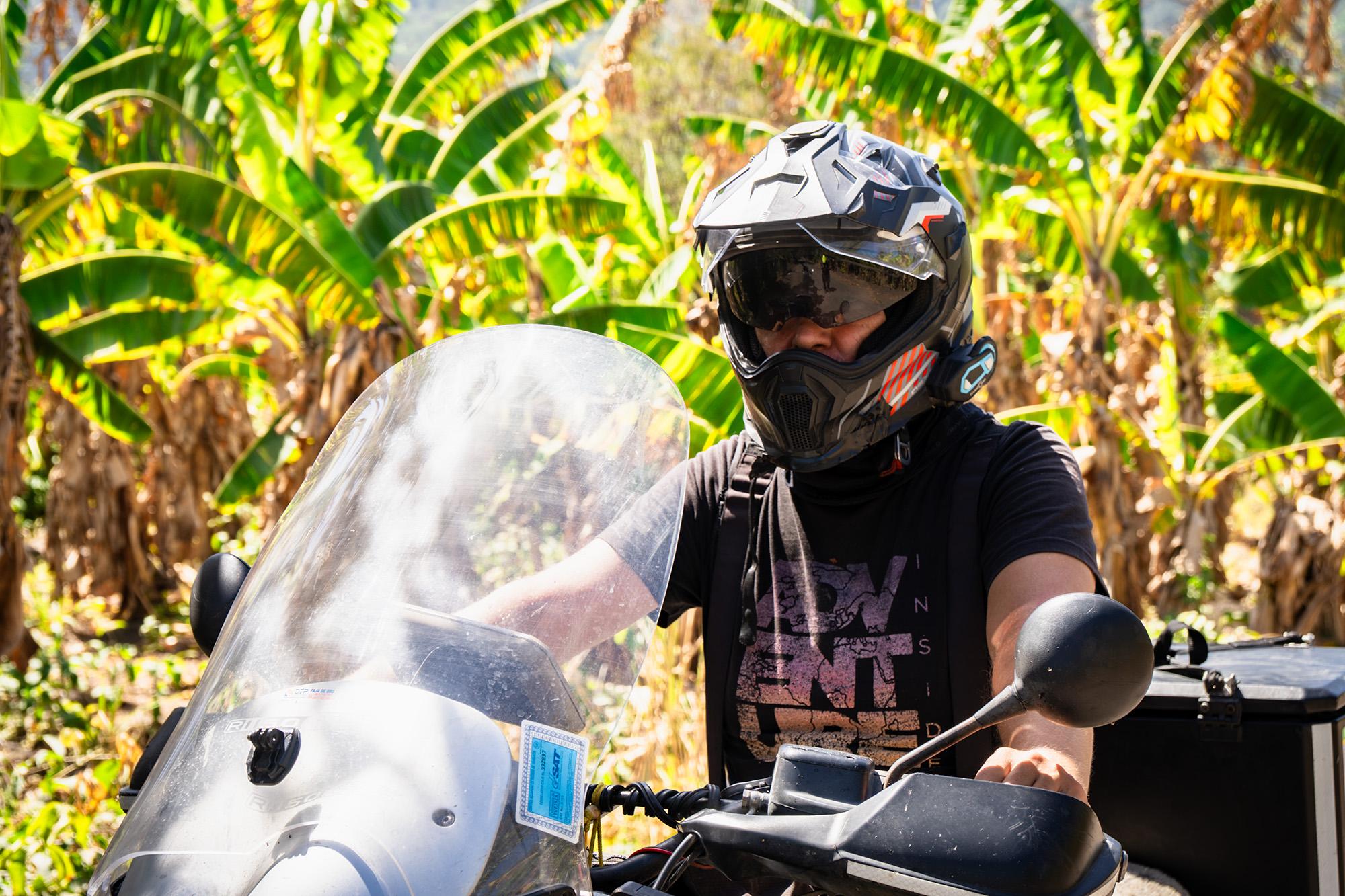
The road around Maderas Volcano is also quite different – it’s wilder and definitely less touristy. The roads here are far from ideal. Instead of a black ribbon of asphalt, there are narrow gravel sections winding through dense, humid forests, coffee plantations, and farms hidden among the trees. The road also passes through open spaces less frequently – more often, you’ll be driving in the shade, under the green canopy of trees covering the slopes of Maderas Volcano.
RETURN FROM OMETEPE AND THE ROAD TOWARD THE BORDER WITH COSTA RICA
We packed up our motorcycles, said goodbye to our host Lucas, and set off – following his advice – toward the slightly closer port of San Jose del Sur, from which ferries carrying passengers and vehicles depart only a few times a day. We took one of those ferries back to the mainland.
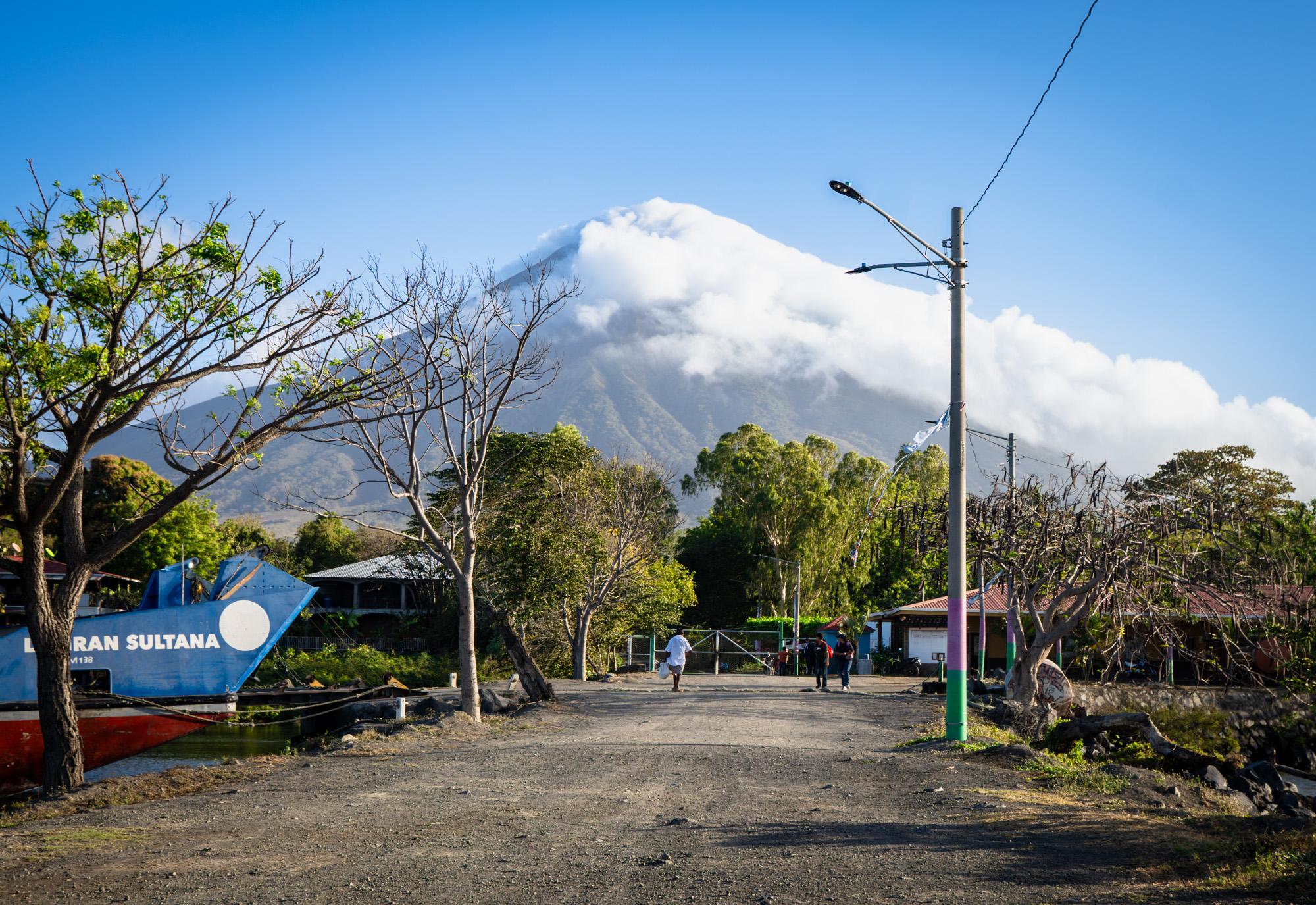
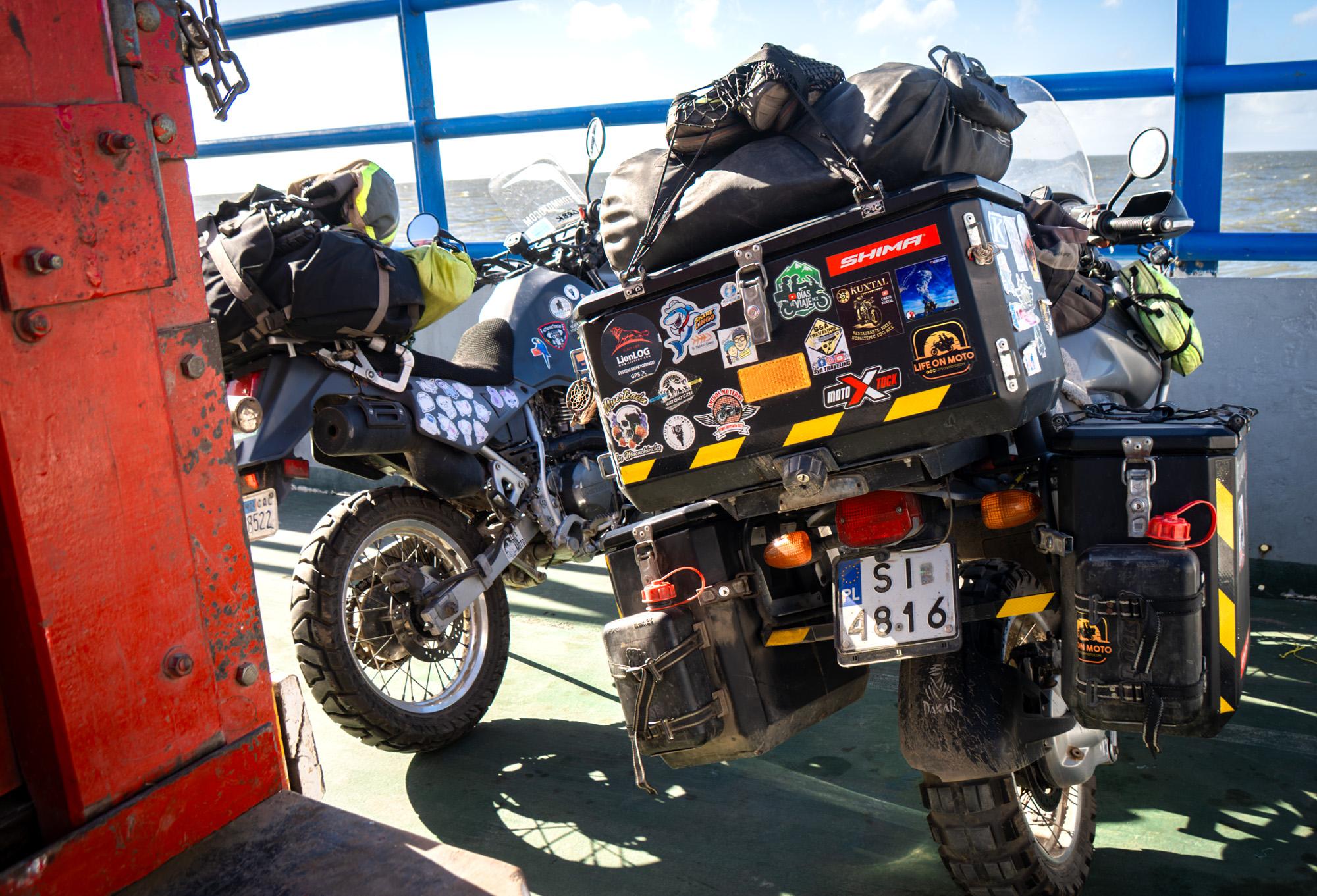
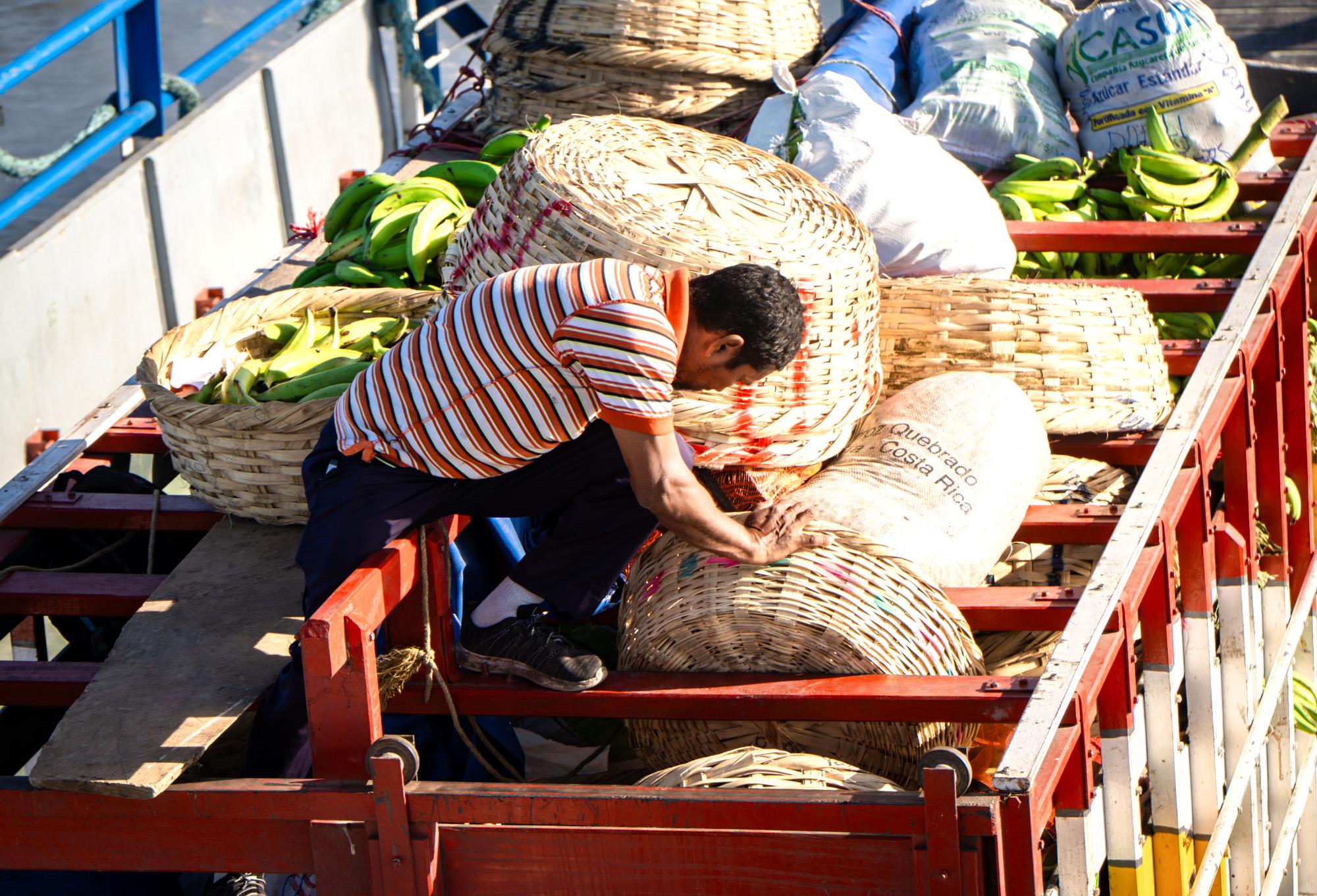
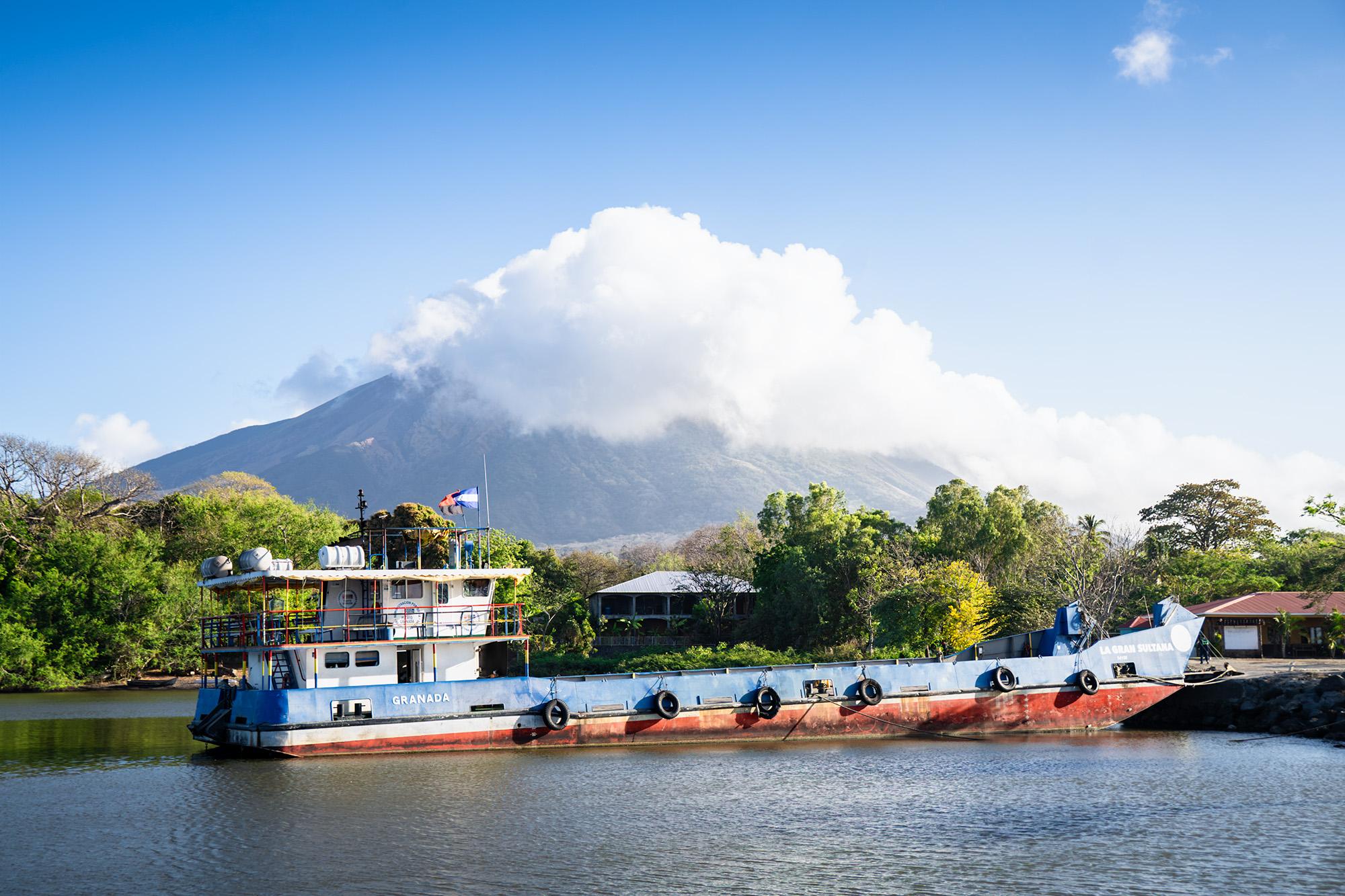
Our time on Ometepe and in Nicaragua itself was slowly coming to an end. Our last day on the island was also our last in this beautiful, surprising country. A new adventure awaited us in Costa Rica, along with a good friend of ours who was going to join us by car for two weeks.