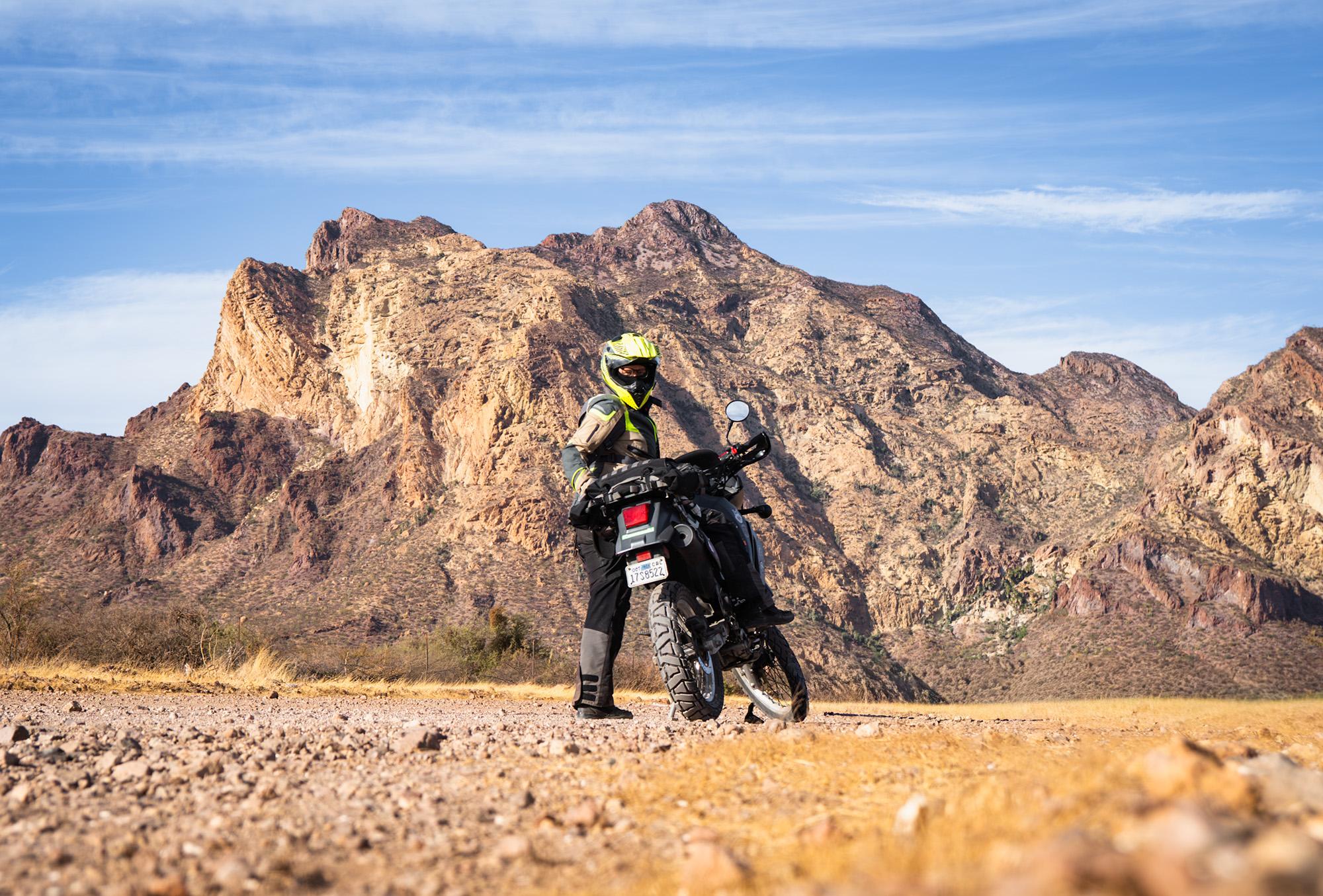
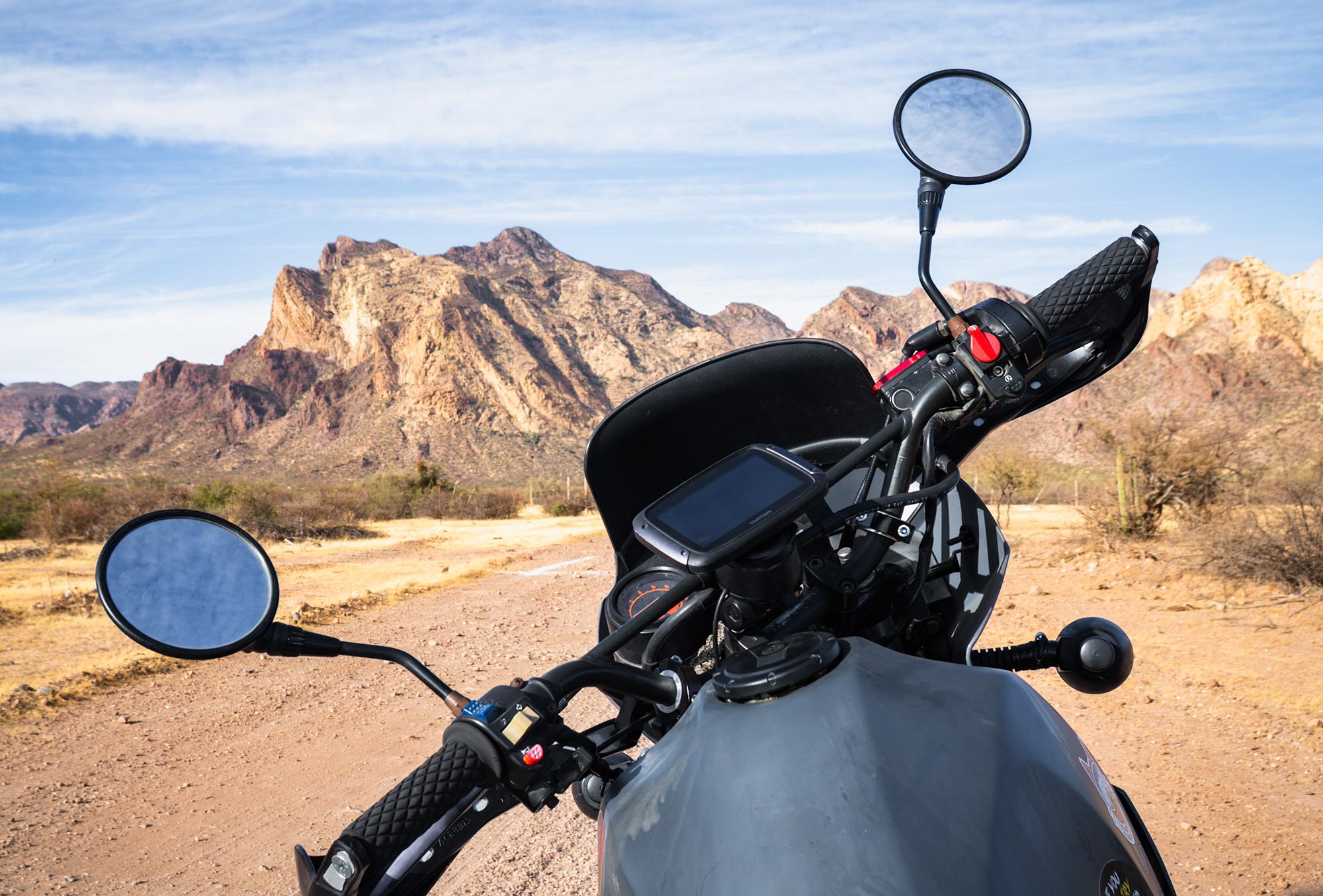
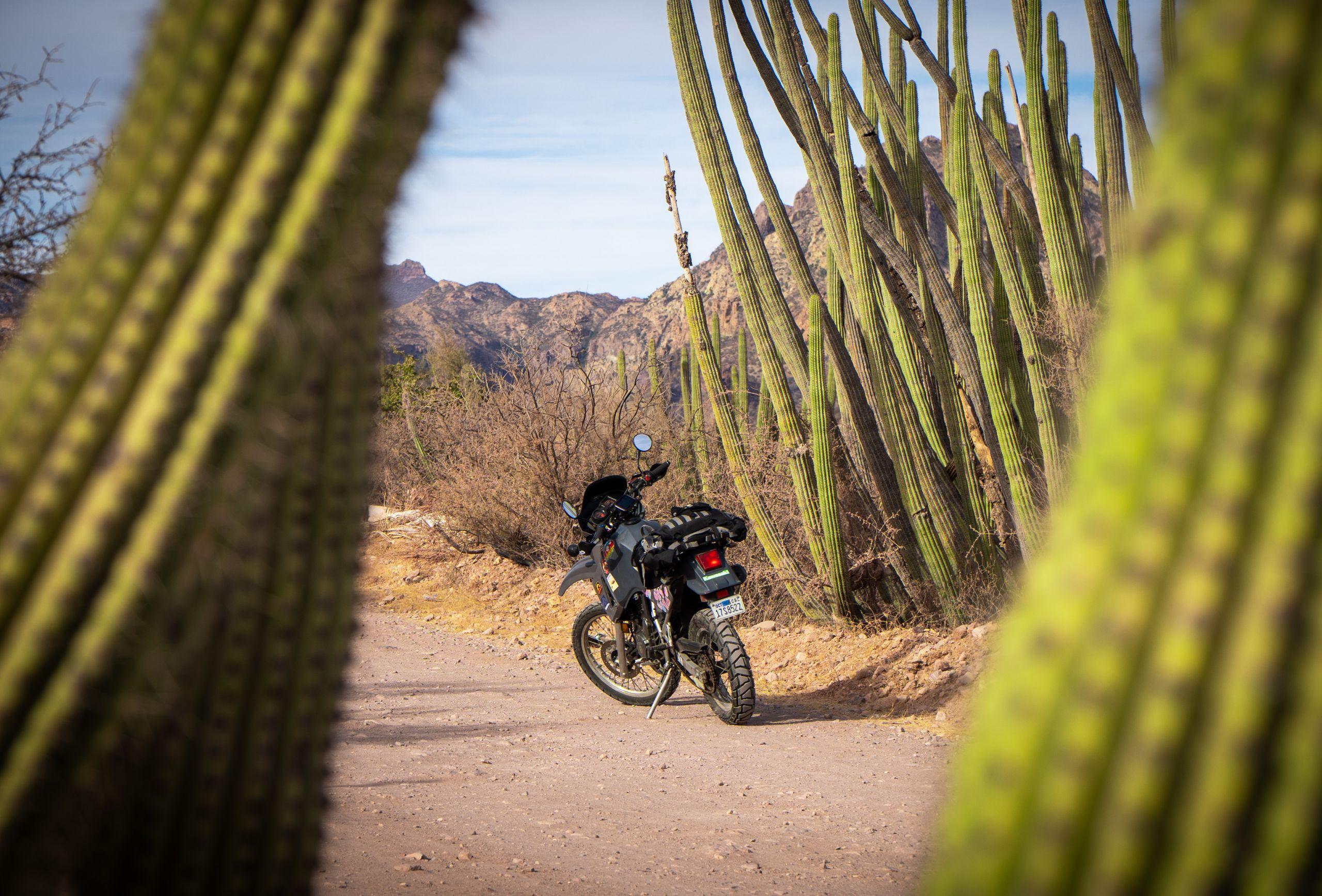
The road continued to the very horizon, winding through a sea of sand, rocks, and saguaro cacti stretching their arms toward the sun. During the day, the sun beat down mercilessly, and the heat made every stop where we could hide from the scorching sun a moment of respite. This is how Mexico and the Sonoran Desert welcomed us – a desert we were already familiar with from the United States, yet here it revealed a completely different face.
We crossed the border in Mexicali. It’s a typical border town – rough-and-tumble, full of auto repair shops and food stalls, very noisy and very busy. For most travelers, it’s simply a gateway to the next leg of the journey – toward the Sonoran Desert or toward Baja California. Only occasionally does someone stop for a day to buy a local SIM card and do some shopping, only to set off again at dawn. On its own, aside from its unique atmosphere – which isn’t to everyone’s taste – Mexicali doesn’t have much to offer. But you only need to leave the city to find yourself surrounded once again by endless desert expanses.
DON’T GO THERE – THEY’LL KILL YOU!
Sonora doesn’t have the best reputation among travelers, and most people generally try to get through the state as quickly as possible by taking the nearby highway. Its proximity to the U.S. border and vast, desolate desert areas make this region an ideal hotbed for criminal activity, particularly drug and human trafficking. It’s one of those places people warn you about – don’t eat there, they’ll kill you there. We, quite deliberately, did not head toward the highway but chose Route 3, which runs between the scorching Sonoran Desert and the turquoise waters of the Sea of Cortez. And we didn’t do this because we’re masochists; rather, after consulting with our friends in Mexico, we mapped out a route that allowed us to experience the beauty of the Sonoran coast while remaining safe.
ALONG THE COAST OF THE GULF OF CALIFORNIA
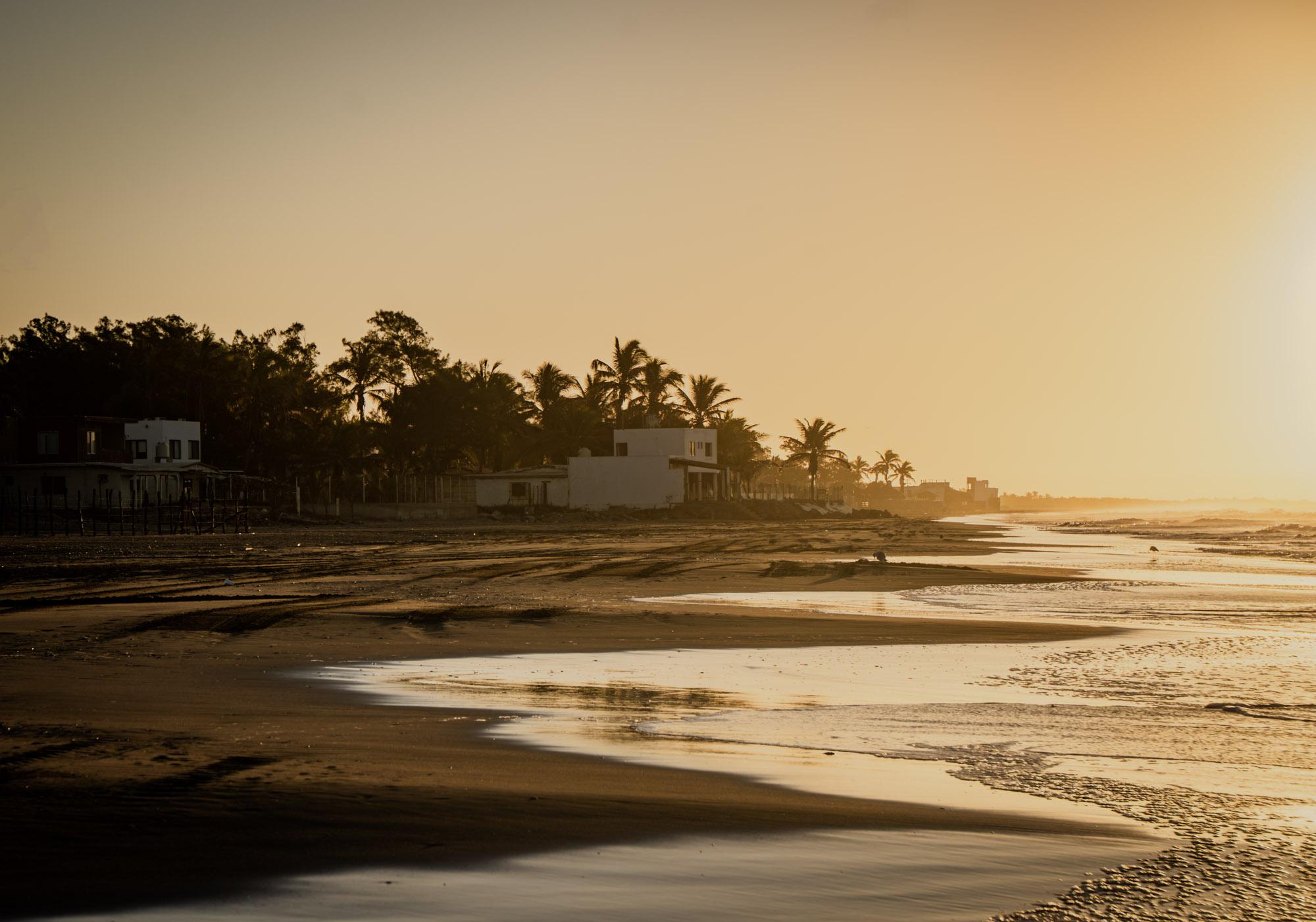
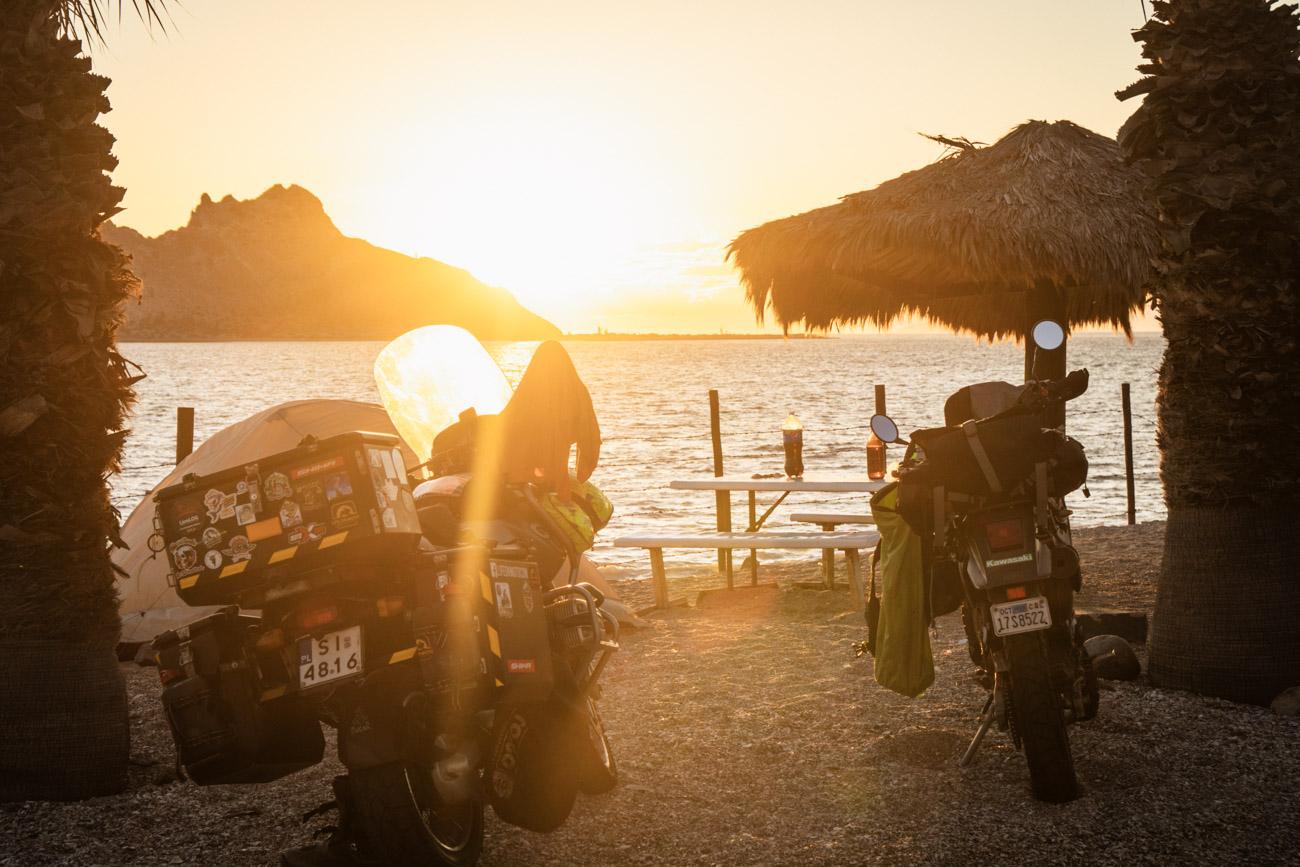
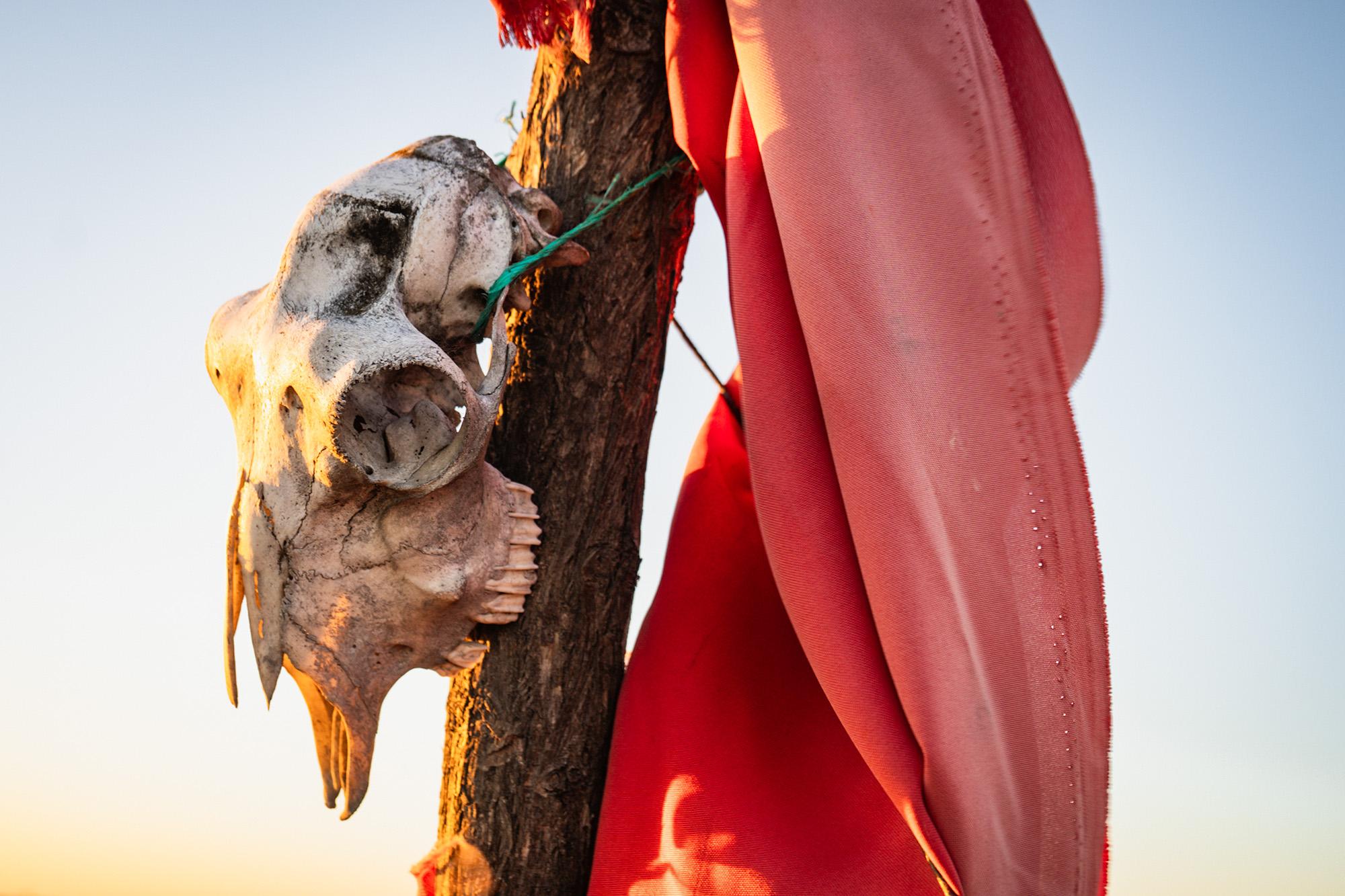
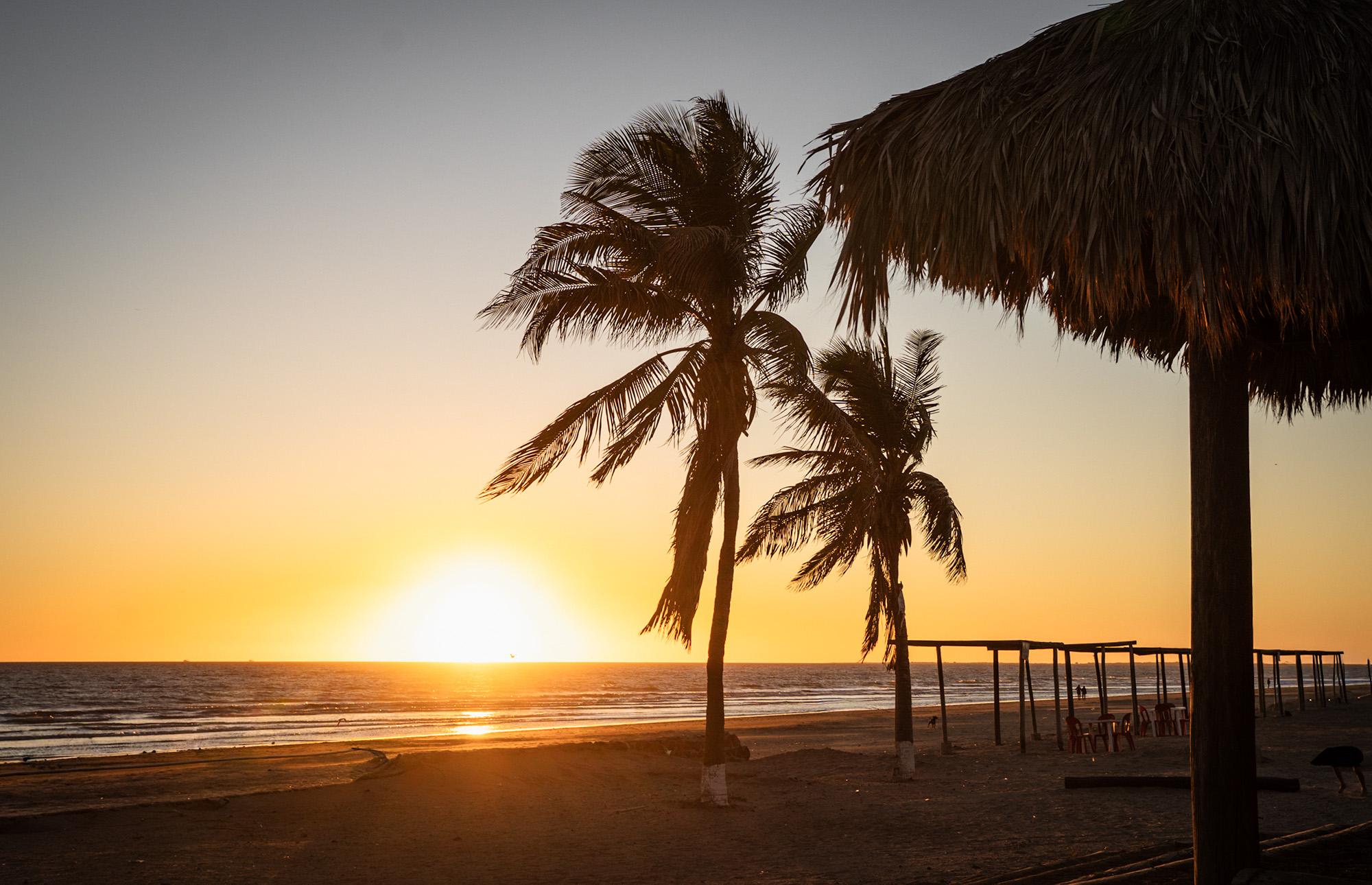
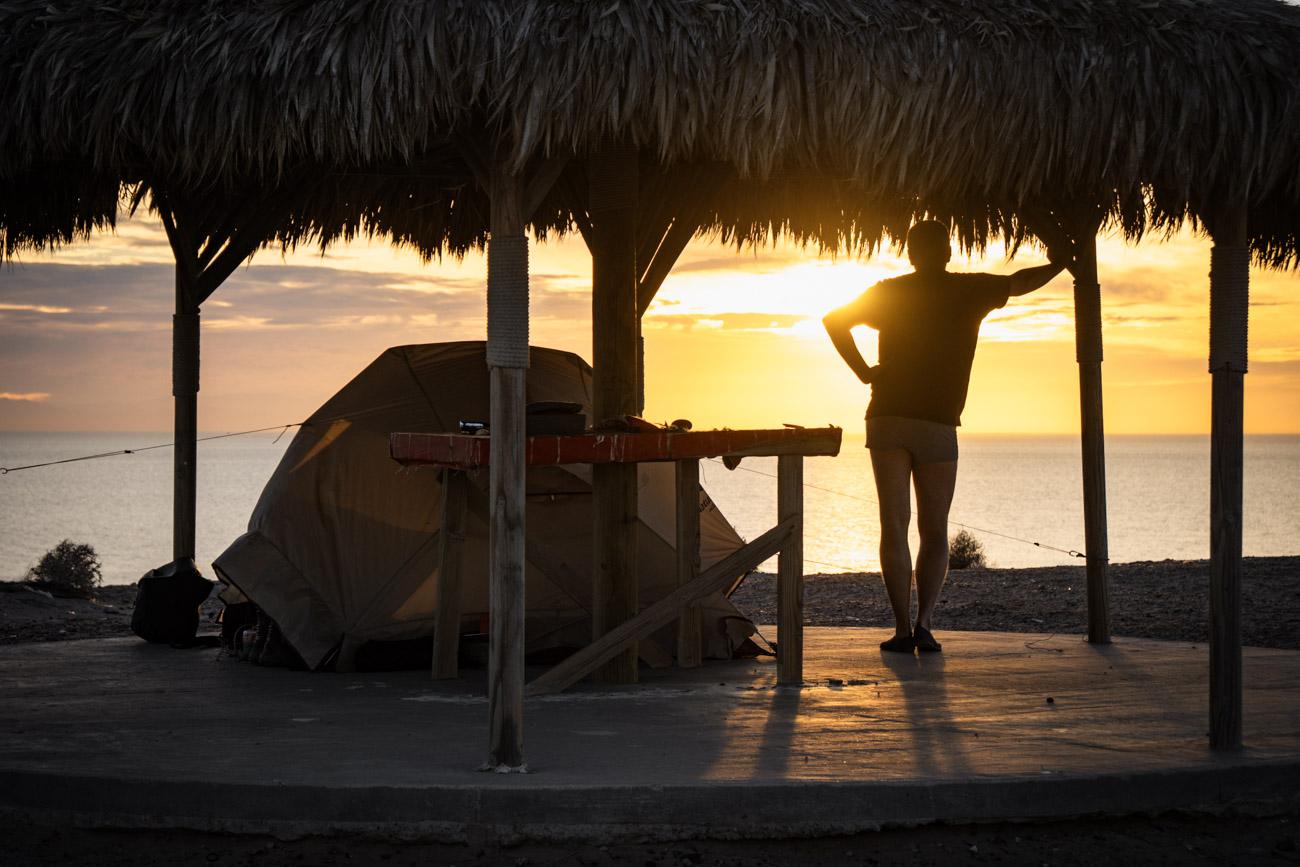
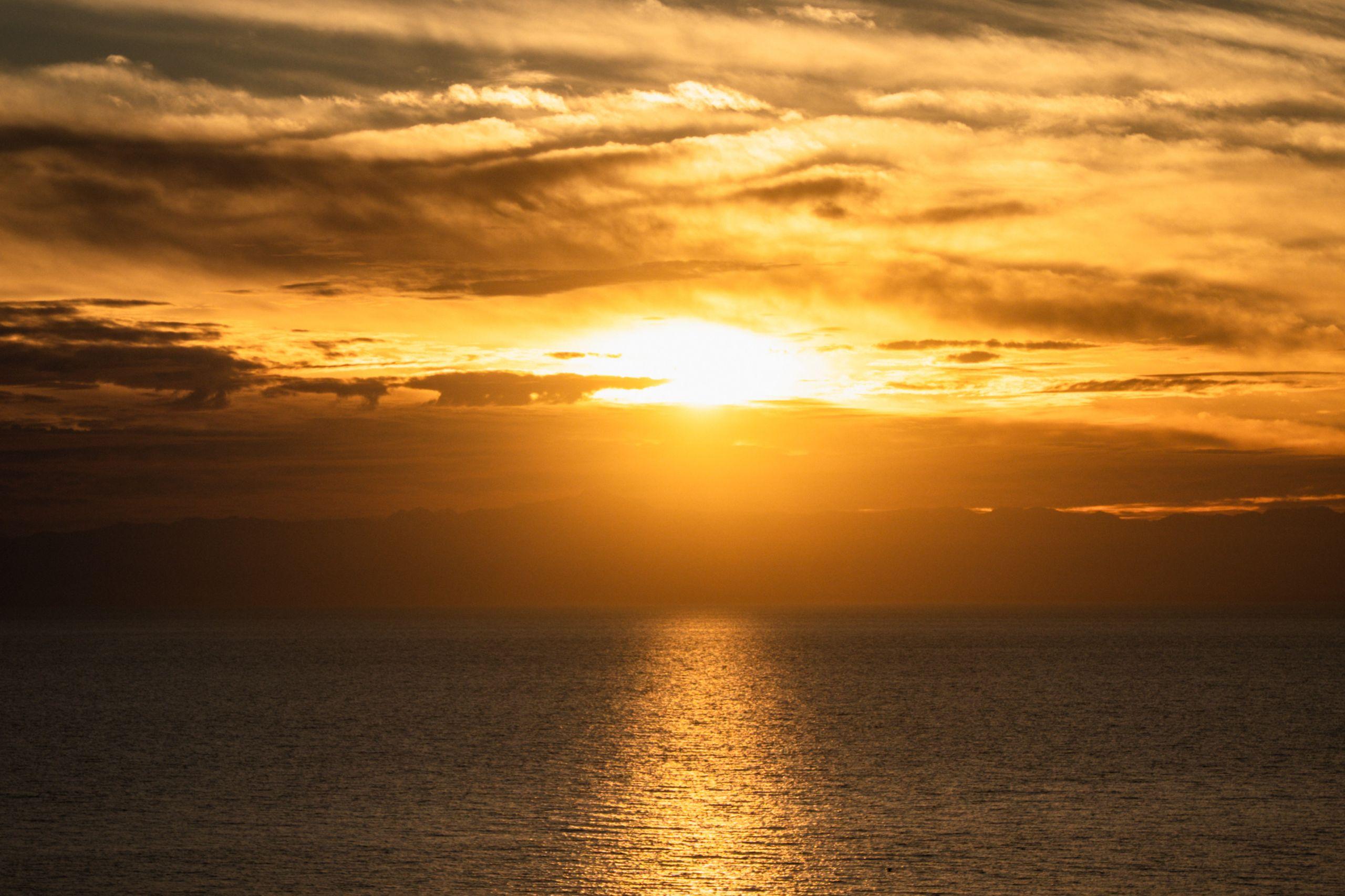
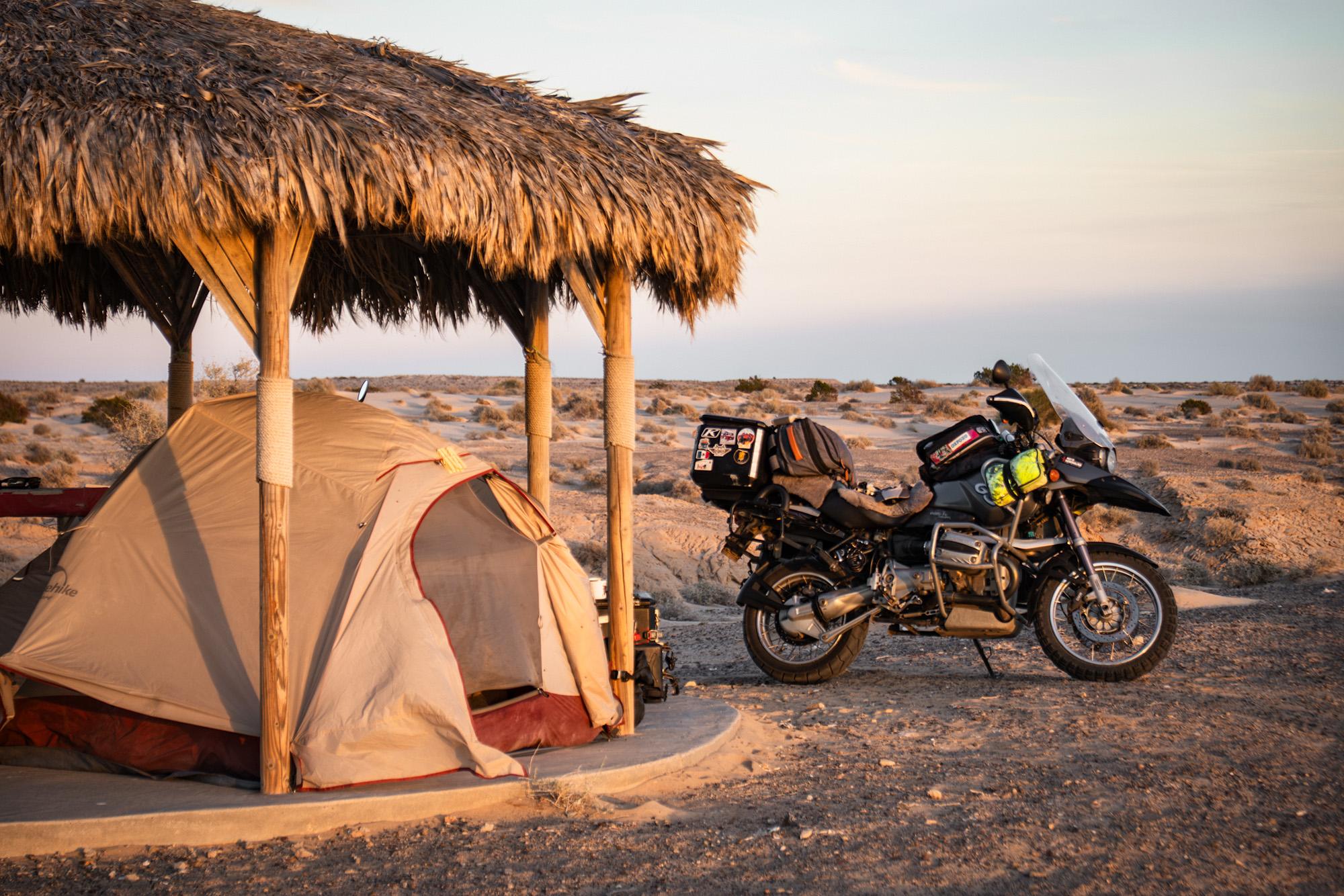
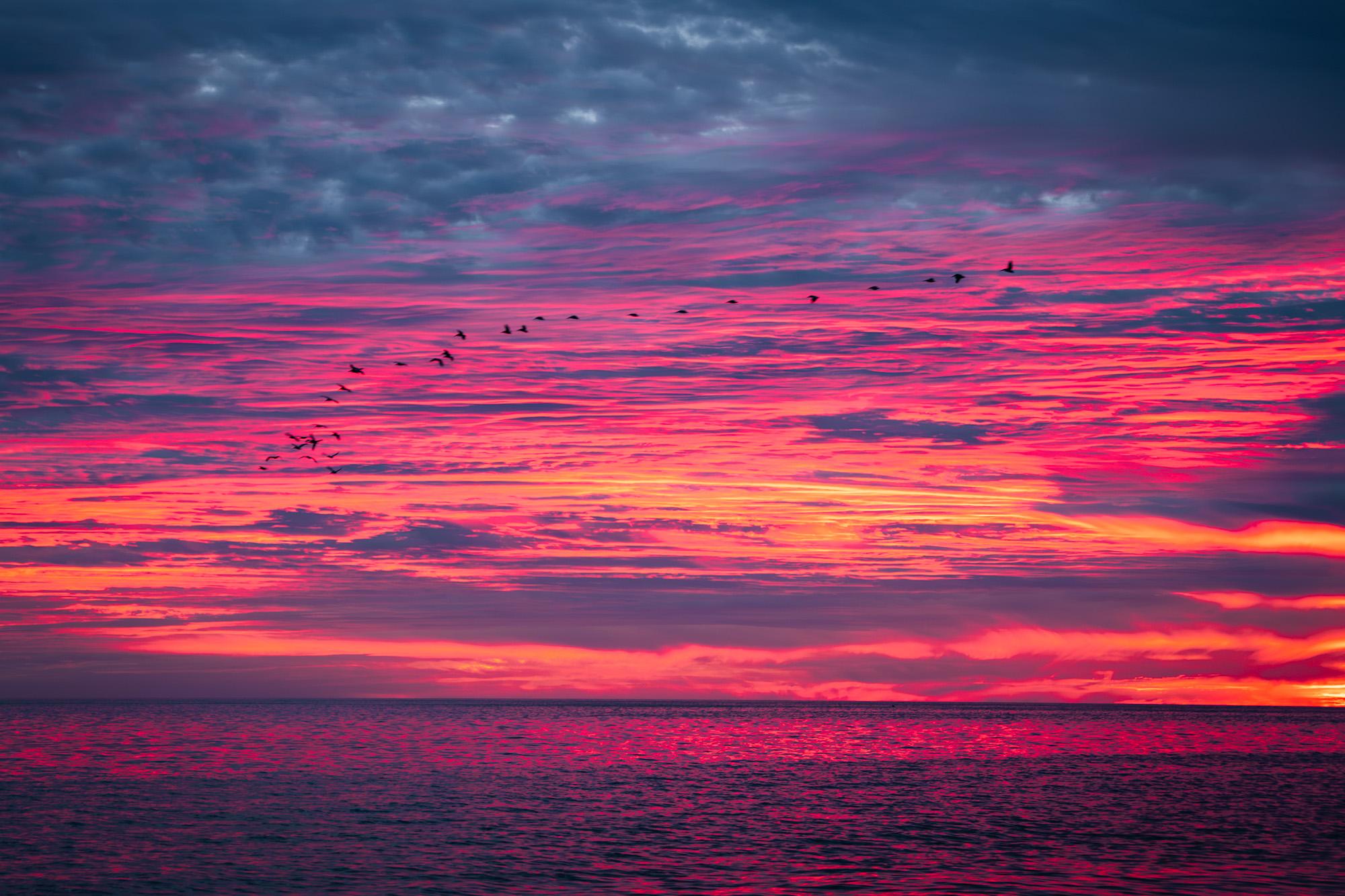
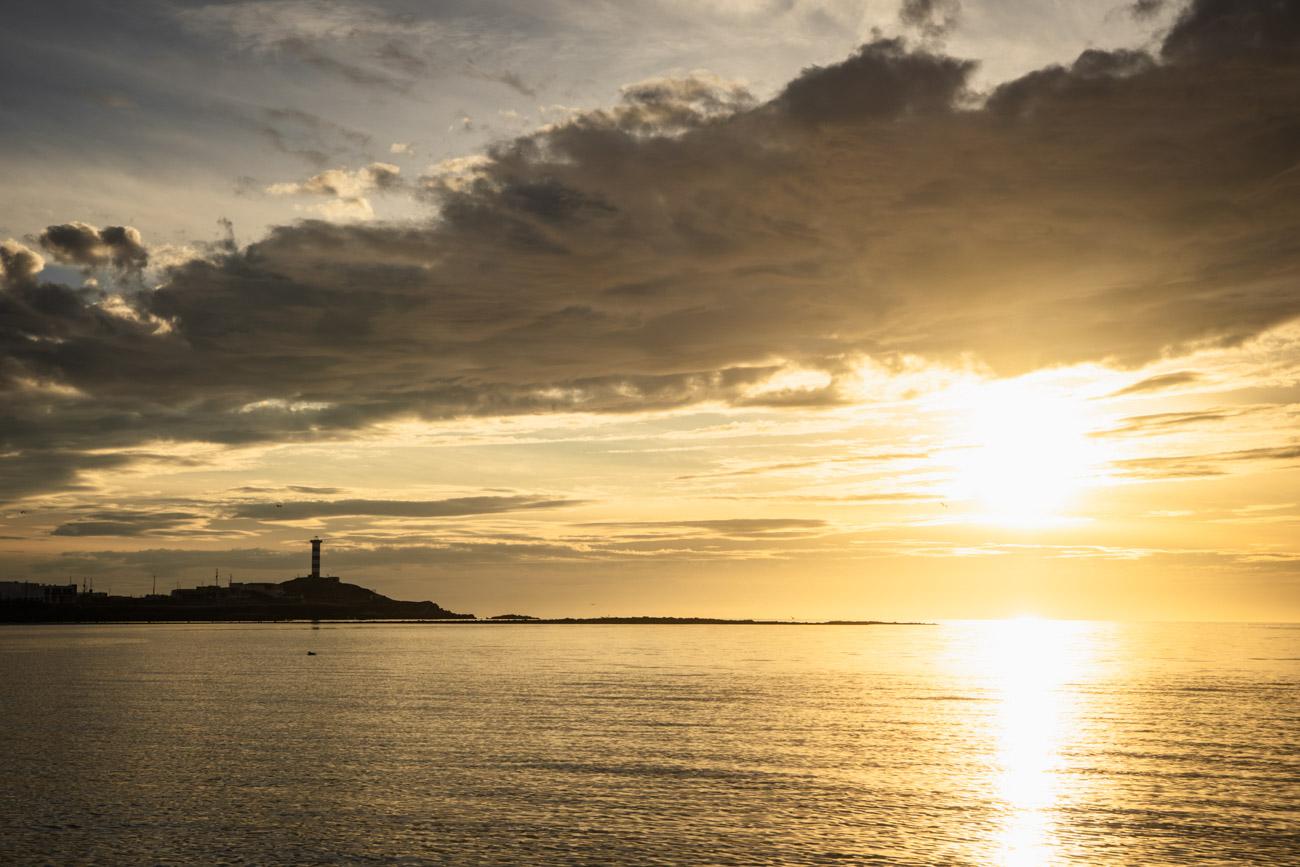
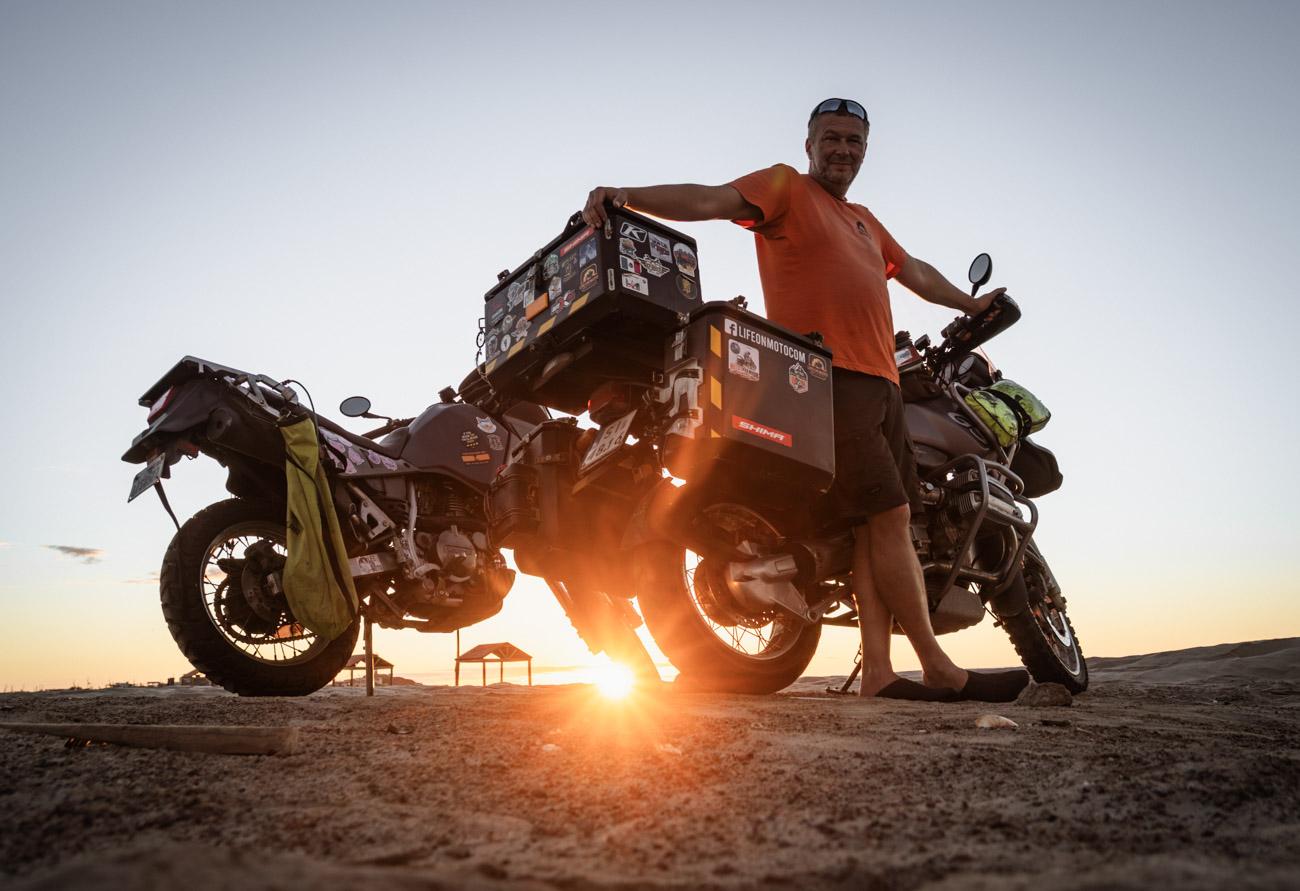
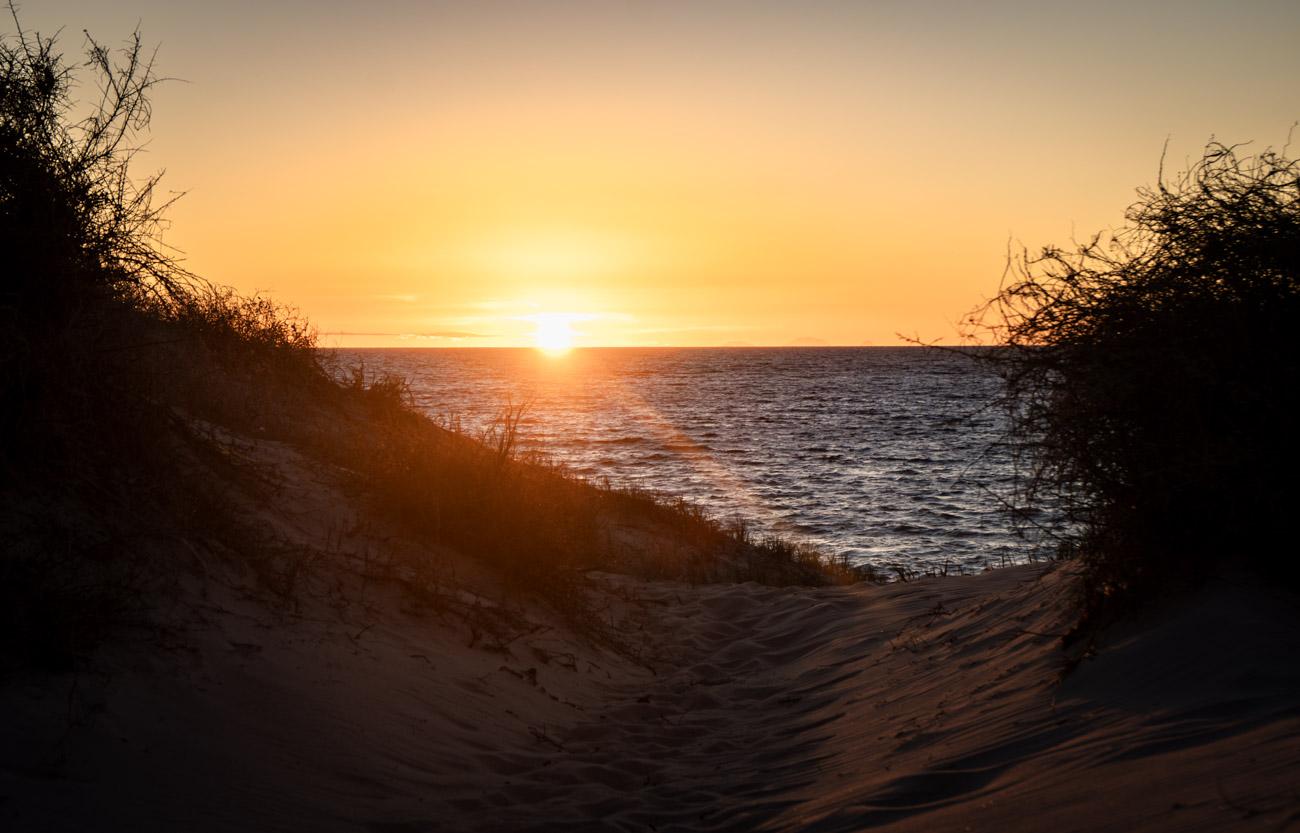
Every day of our journey through Sonora, Mexico, followed a similar pattern. In the morning, we’d rise with the sun to be ready to travel before the heat became unbearable. Then the road lay ahead of us, stretching through the wilderness amid scorching sands, stones, rocks, and motionless cacti. Sometimes, when the road took us closer to the coast, a pleasantly cool breeze from the Gulf of California would reach us. And then evening would come and paint the world in gold, orange, and red. We admired these sunsets every day. Sometimes from the road, because the day had ended too quickly; sometimes from the campground; sometimes from places where I doubt even the devil himself had ever set foot. Now, when I think about this stage of our journey, the moments that stand out most vividly in my memory are precisely those times when, after a full day of travel’s hardships, we watched the sun fade beyond the horizon. We were truly happy then. We’d like to share a few of these places with you, in the hope that they’ll bring you the same sense of wonder someday.
AT THE END OF THE WORLD
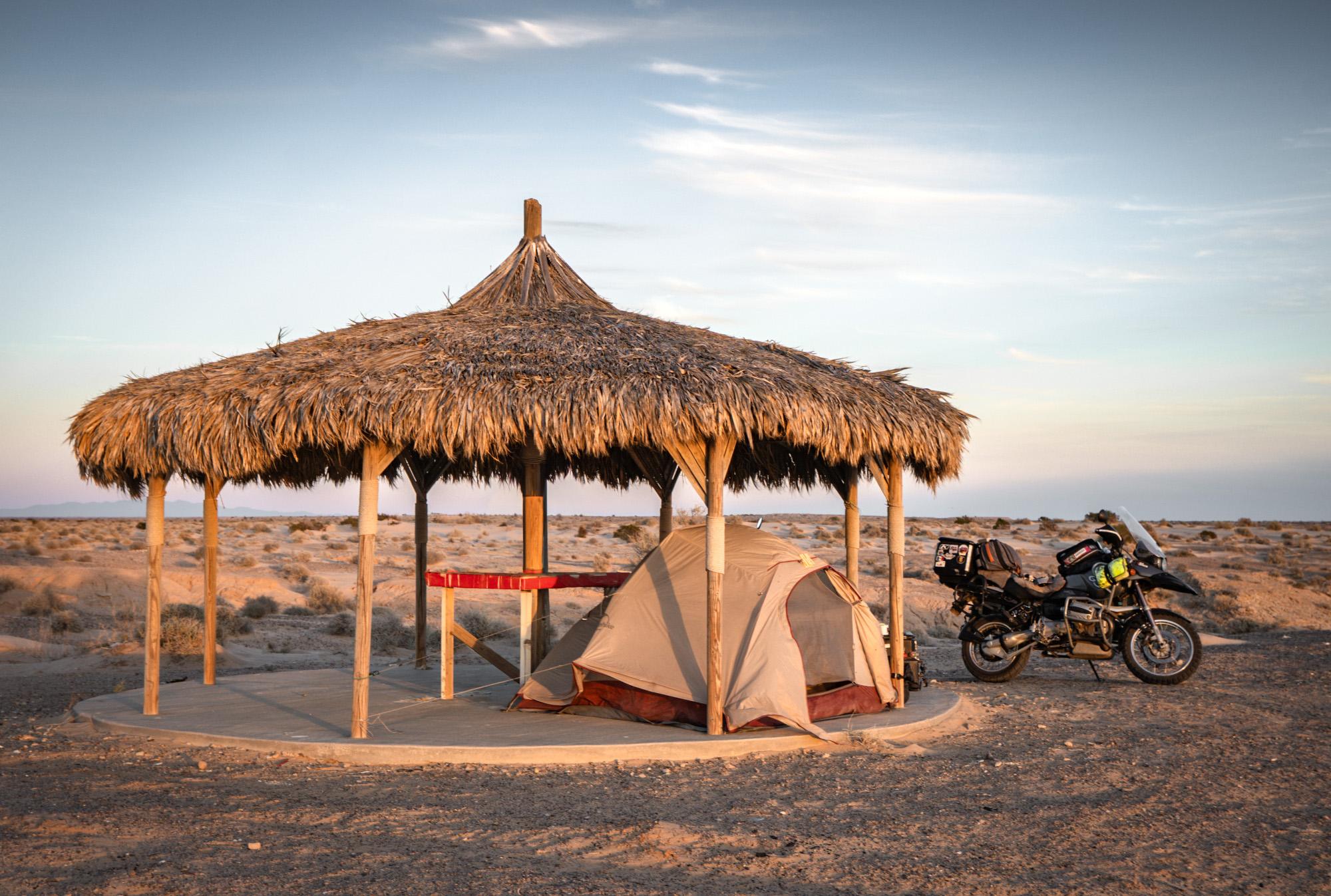
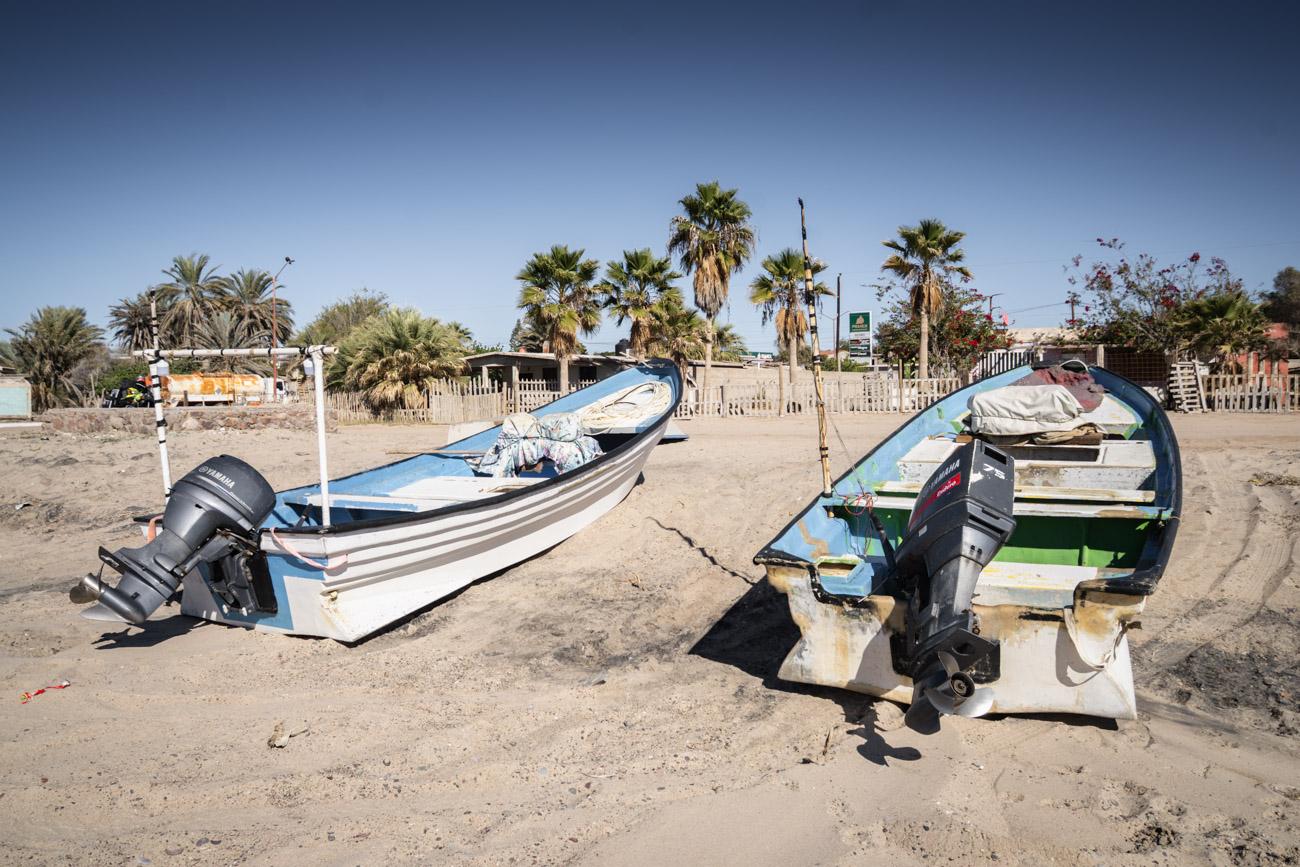
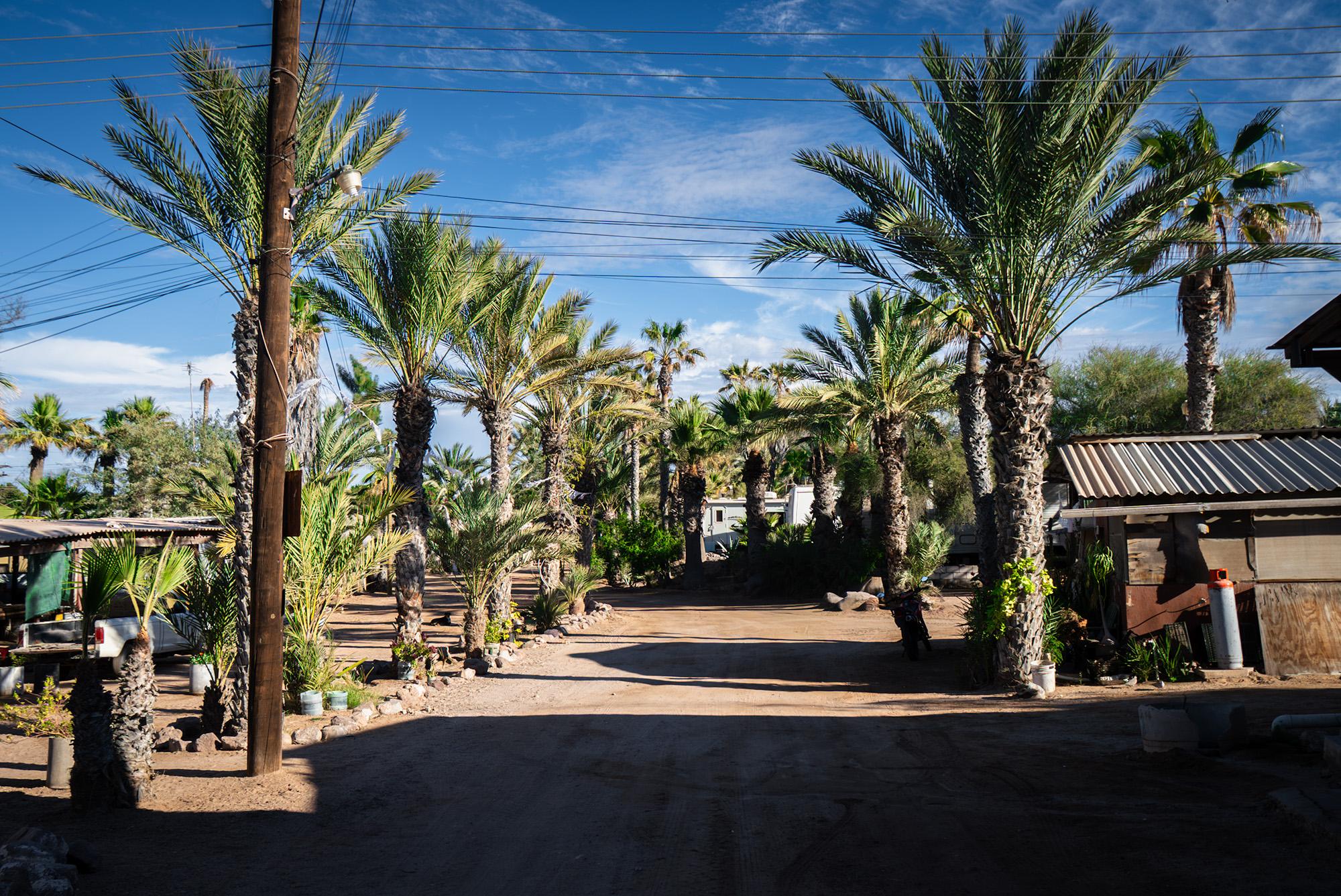
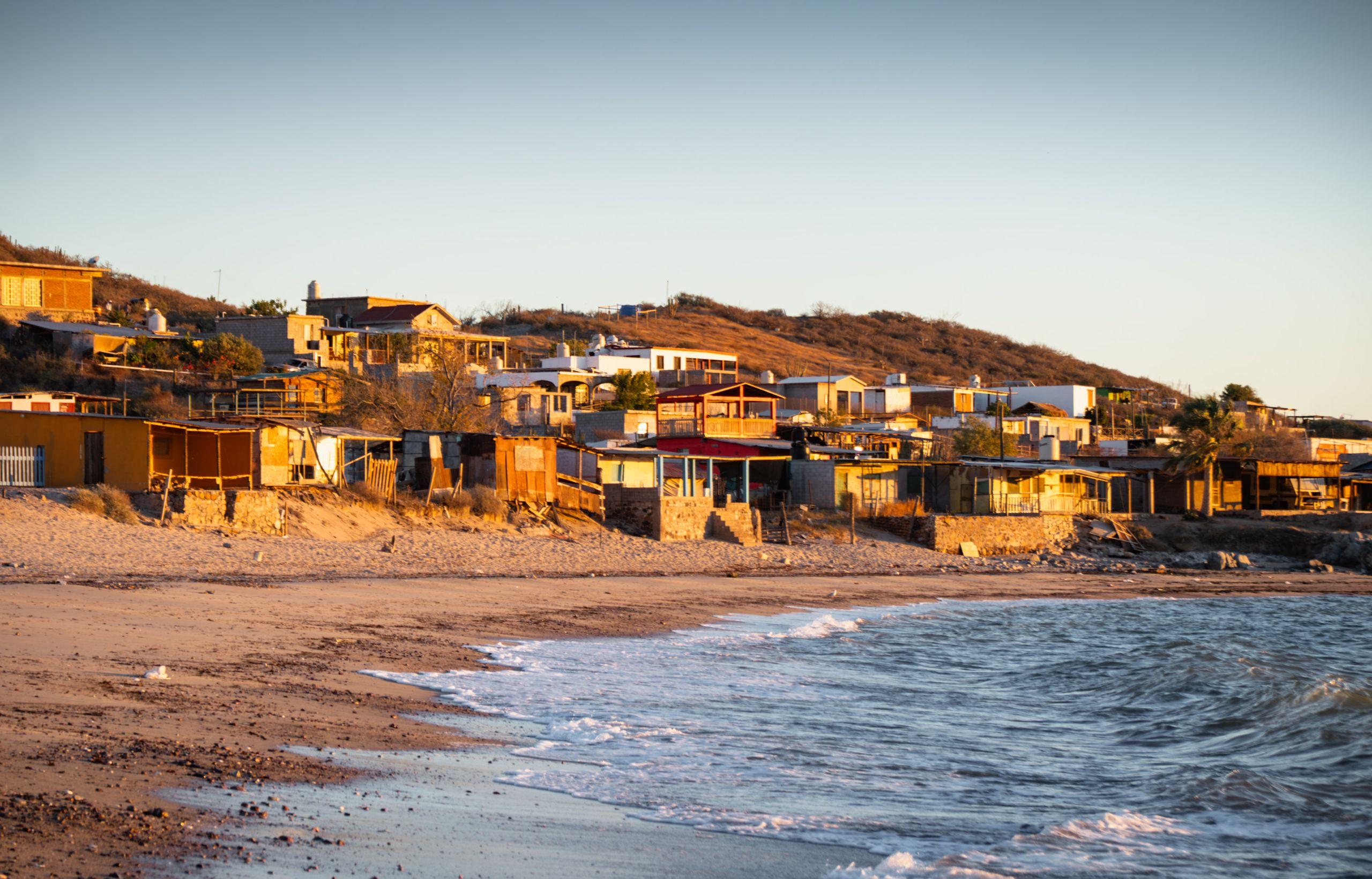
Puerto Lobos is a secluded, small fishing village on the coast of the Sea of Cortez. You won’t find here the large resorts we saw in Puerto Peñasco, or fancy restaurants and bars. Here, the landscape is rugged, with simple houses cobbled together from whatever was at hand, fishing boats, a single store, and a small eatery that might as well be someone’s home – because eating there made us feel like we were in our grandmother’s backyard. This isn’t a place from a tourist brochure, but one of the least urbanized areas in Mexico, full of authenticity and real life.
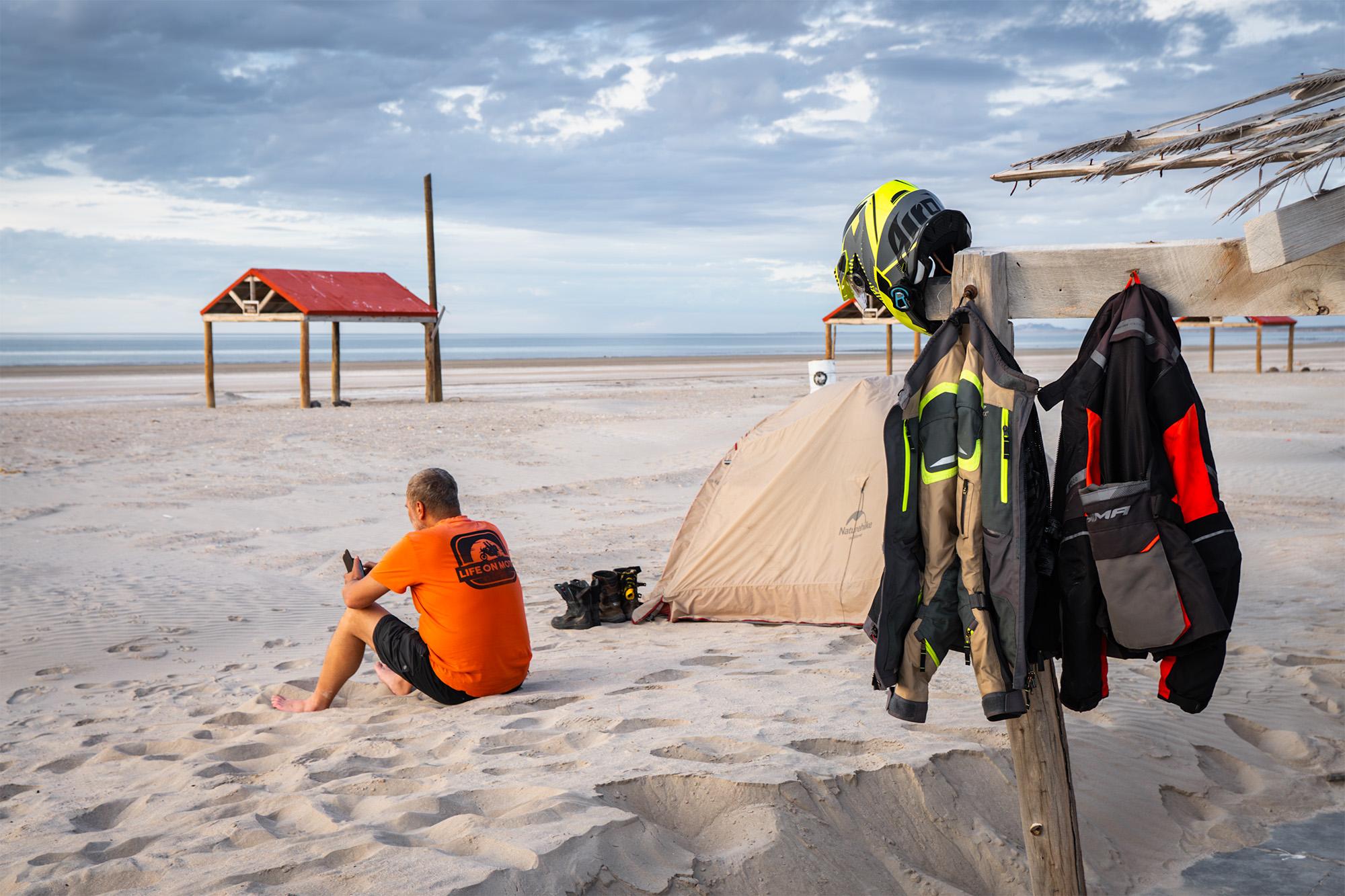
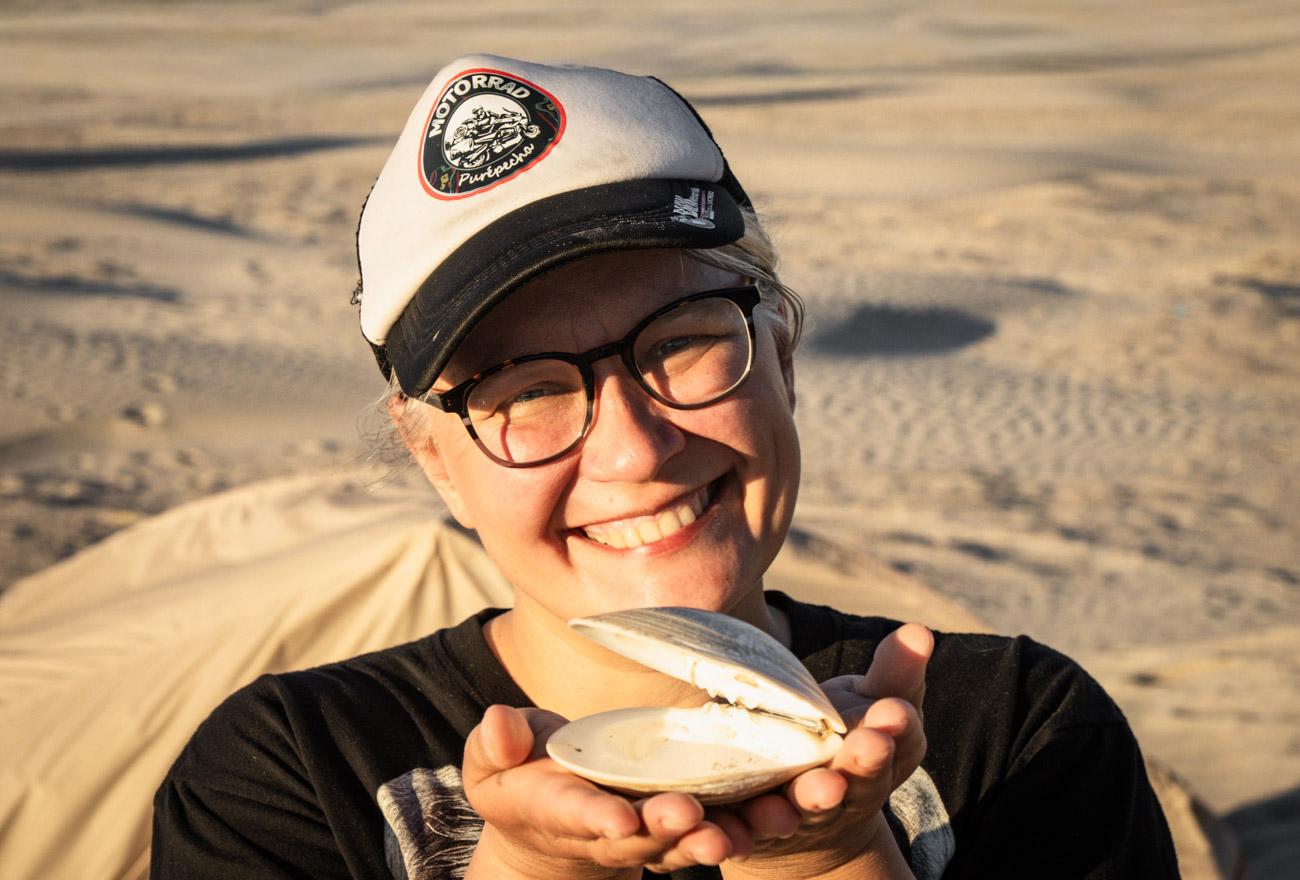
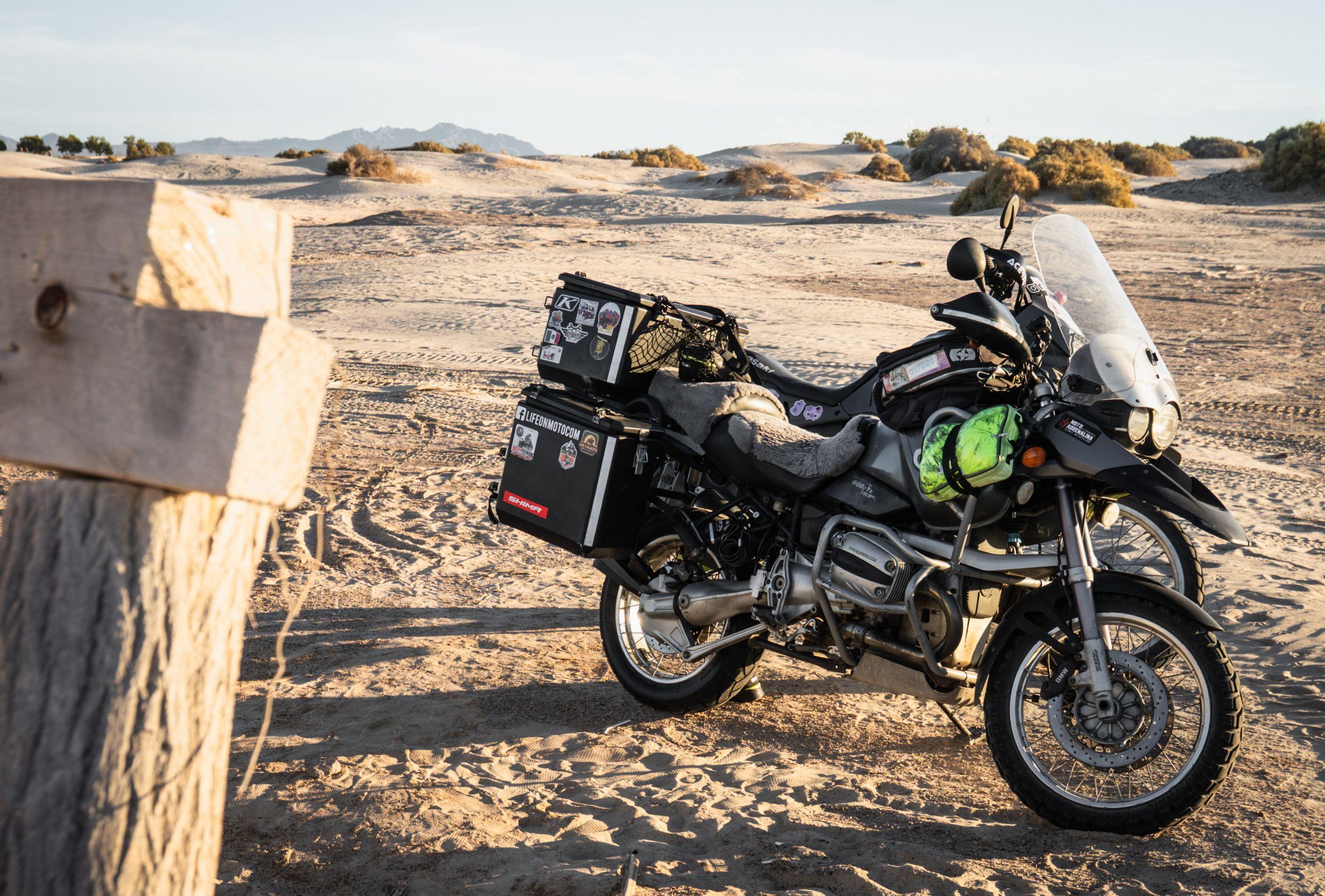
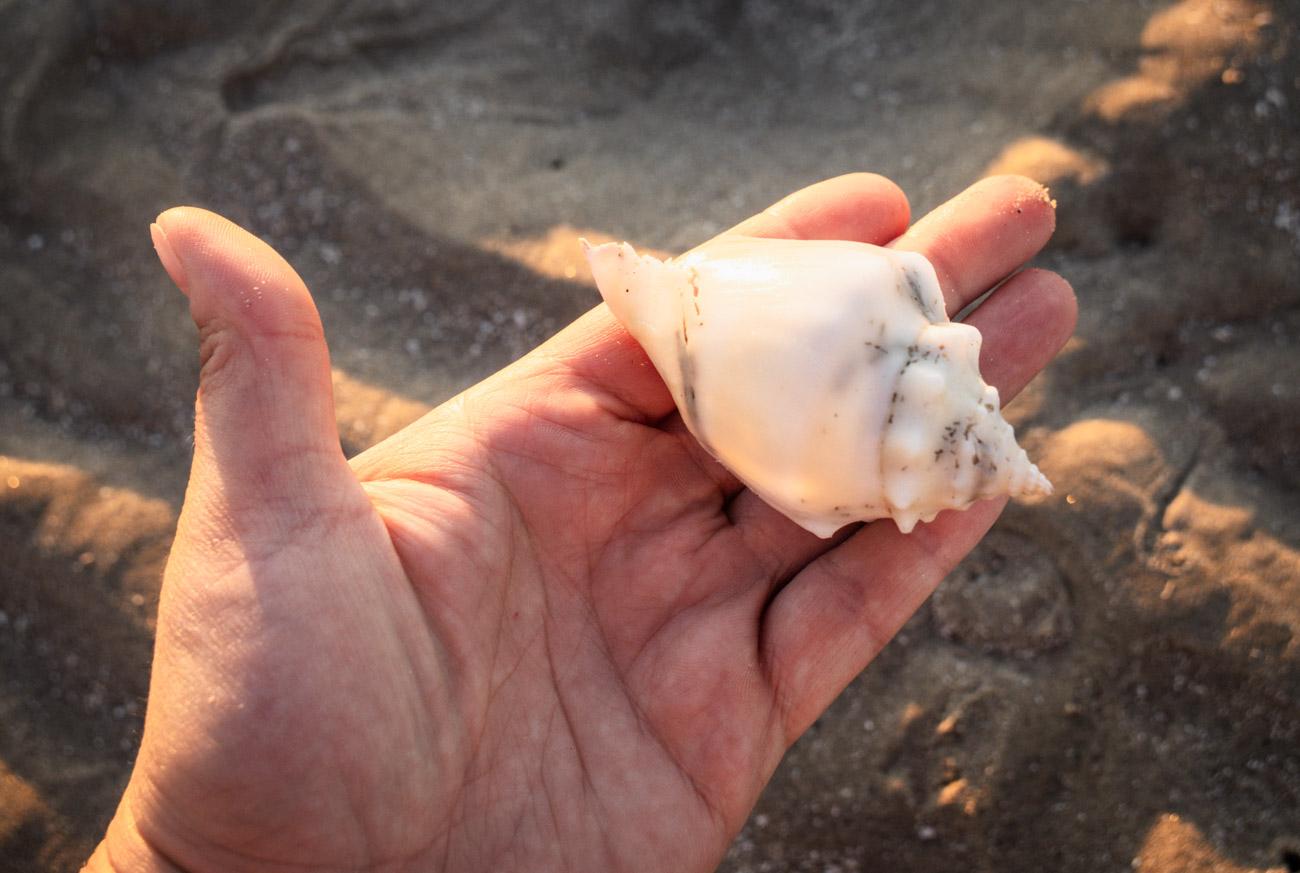
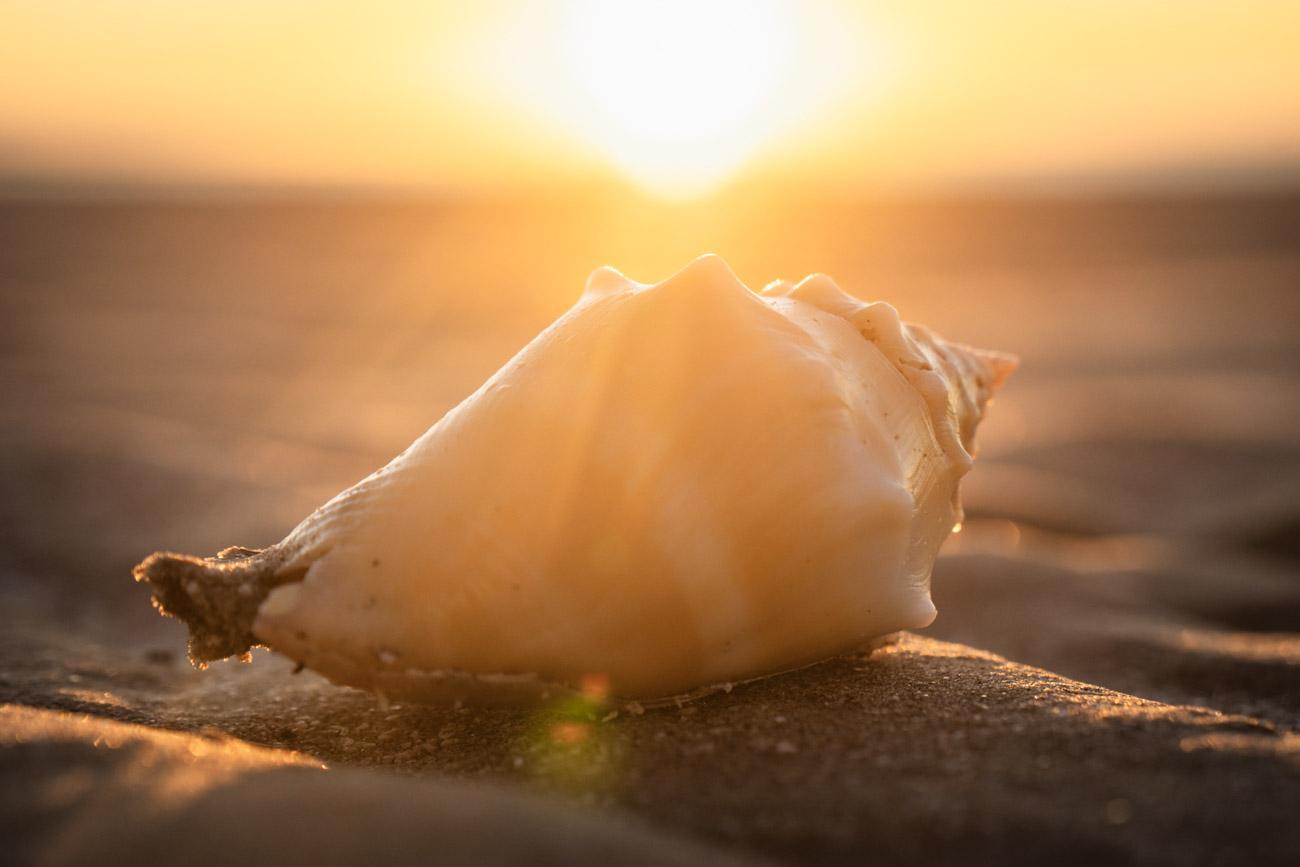
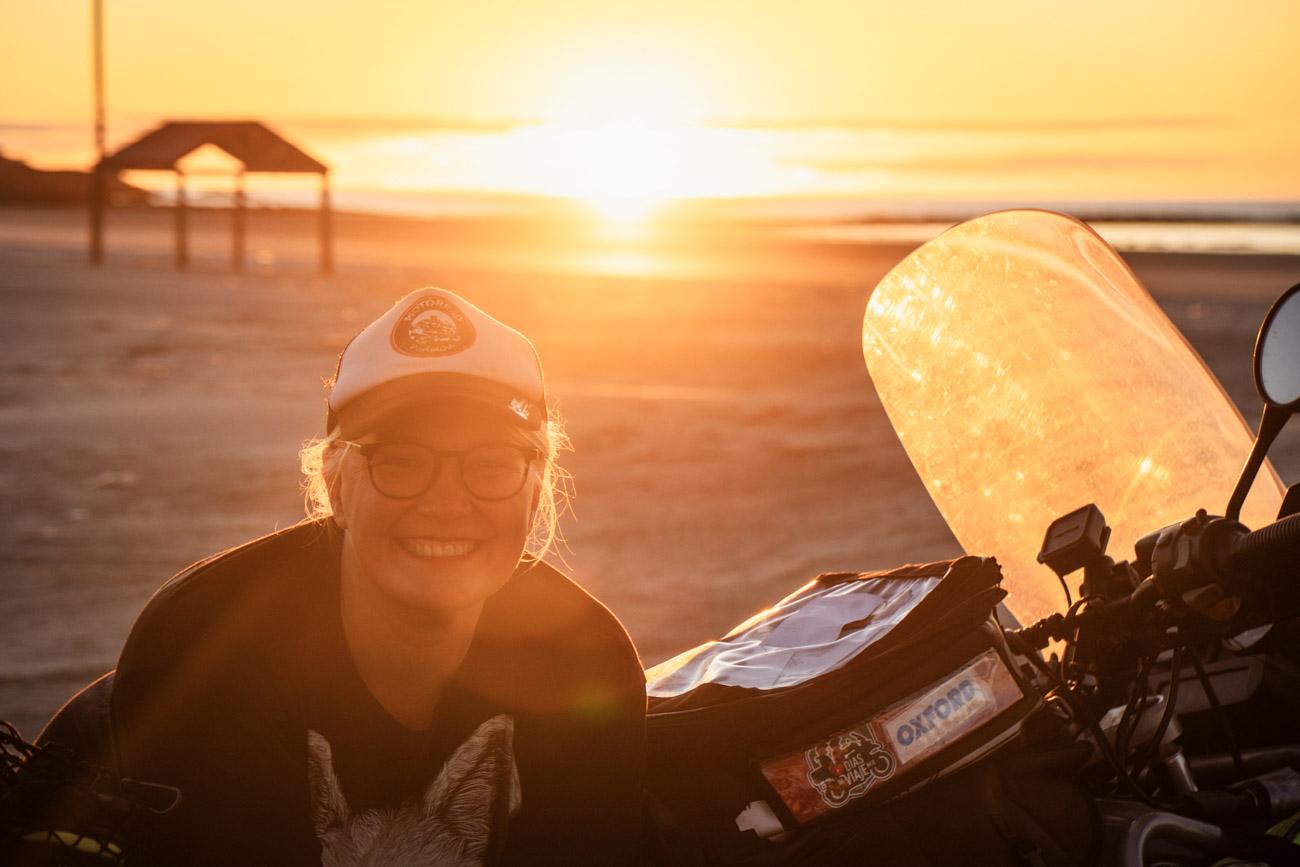
Life in this remote corner of the world moves at a slow pace. Early in the morning, before the sun had climbed high in the sky, the fishermen set out in their boats to fish. Housewives bustled about their homes, preparing meals, doing laundry, and feeding the animals. At noon, Puerto Lobos was enveloped in silence. Only occasionally was it broken by the laughter of children, joyfully running barefoot along the sandy streets. It wasn’t until evening that the town came alive again – resounding with the rhythmic music of mariachis, singing, and toasts. The air smelled of the evening breeze and fried fish that the fishermen had brought back from their catch. No one was in a hurry; life simply flowed at its own pace and, like the ocean, had its ebbs and flows.
THE HOLY LAND OF THE SERI PEOPLE
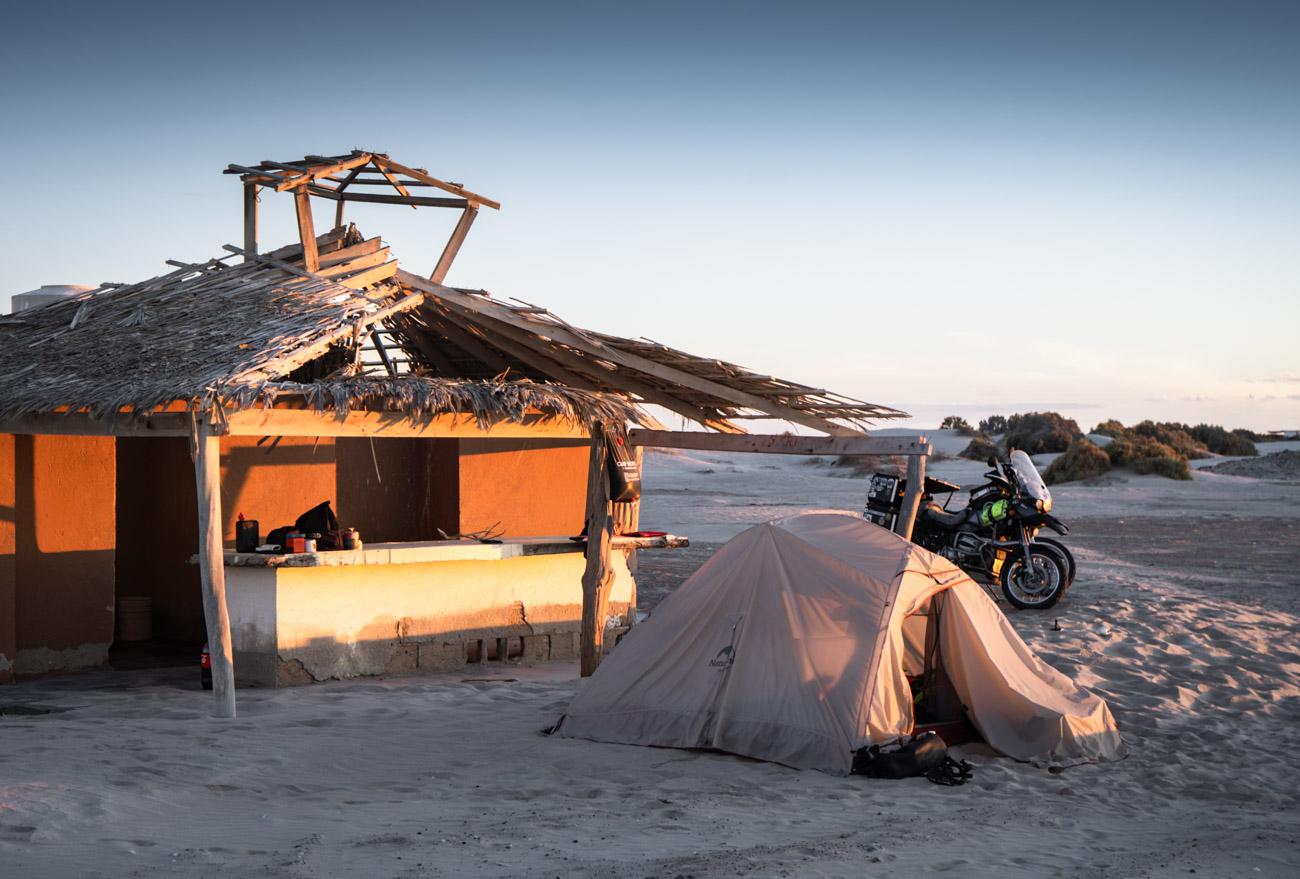
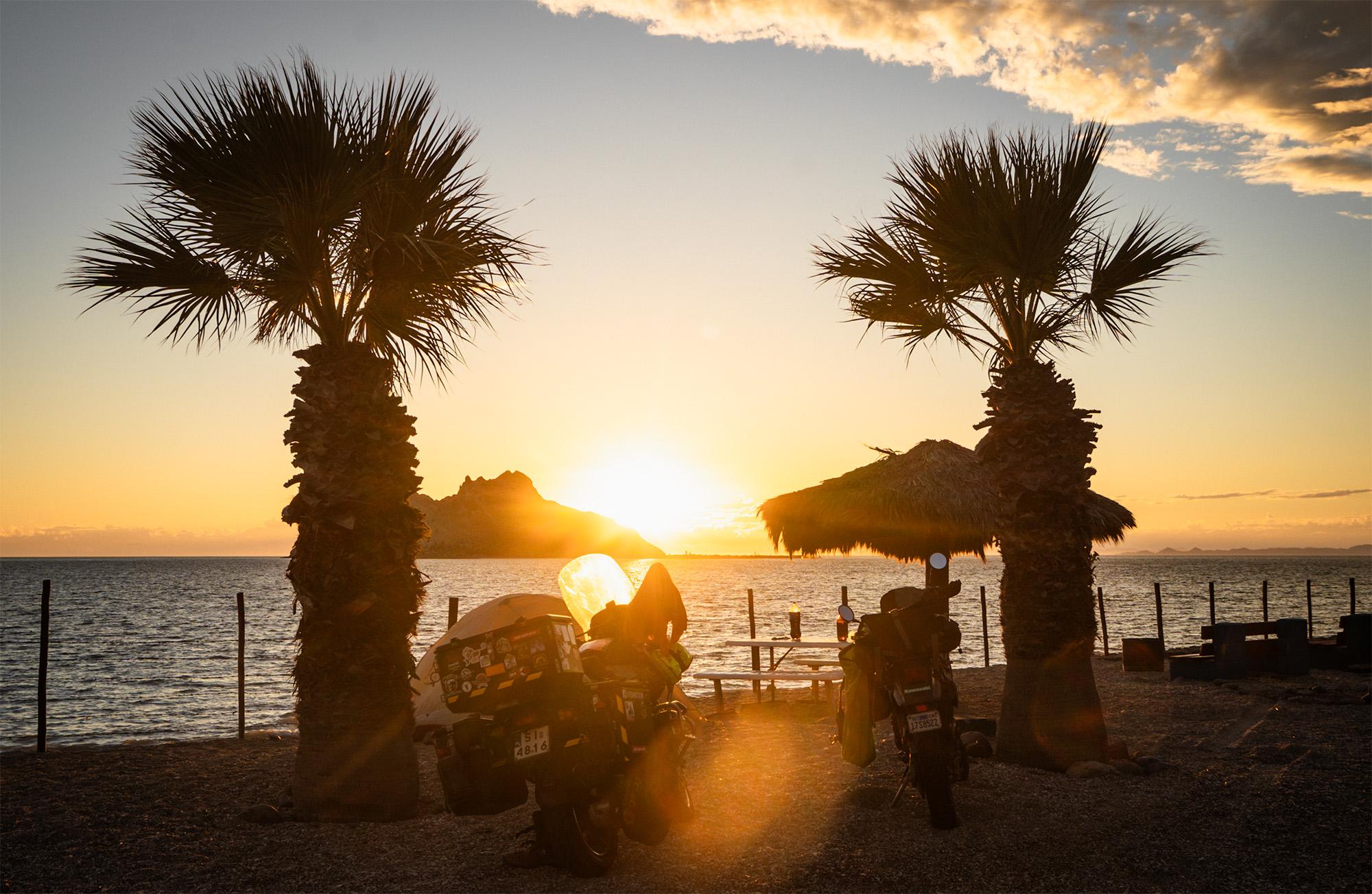
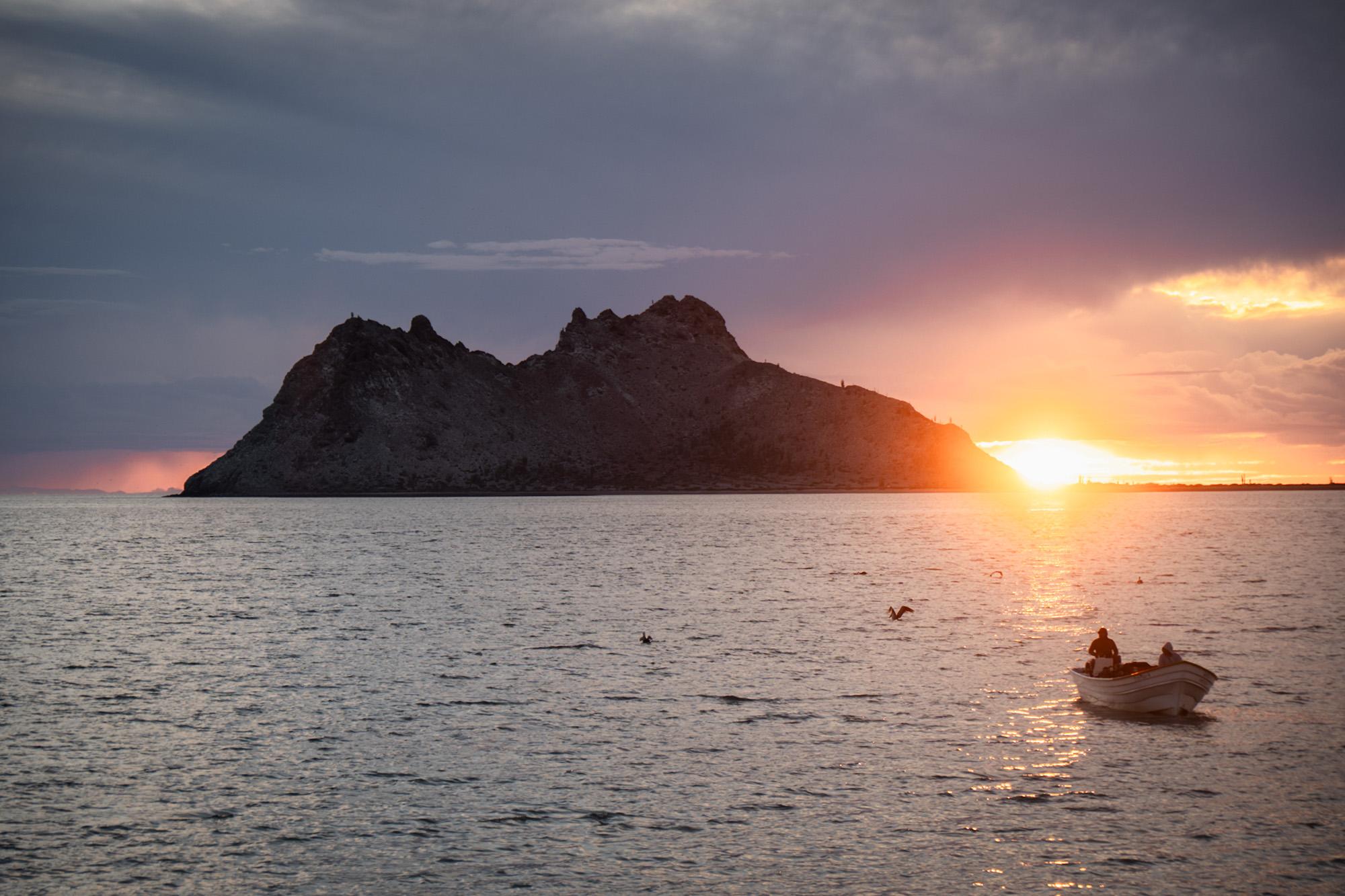
Bahia de Kino was the next stop on our itinerary. A tiny fishing village, slightly larger than Puerto Lobos. It had a small harbor, boats bobbing on the water, and a few tiny restaurants serving fresh fish and seafood. The waves of the Sea of Cortez gently lapped at the bay’s shores, and above them, in the distance, rose Mexico’s largest island – Tiburon. For the Seri people, who call themselves Comcaac and still inhabit the coastal areas of the Gulf of California, Tiburon is no ordinary island. It is the heart of their world, the land of their ancestors, a sacred place where the spirits of their ancestors spoke through the wind, the rocks, and the waves. As we watched the sun set behind Tiburon Island from our tent, it wasn’t hard for us to believe in its magic and all the legends that surround it.
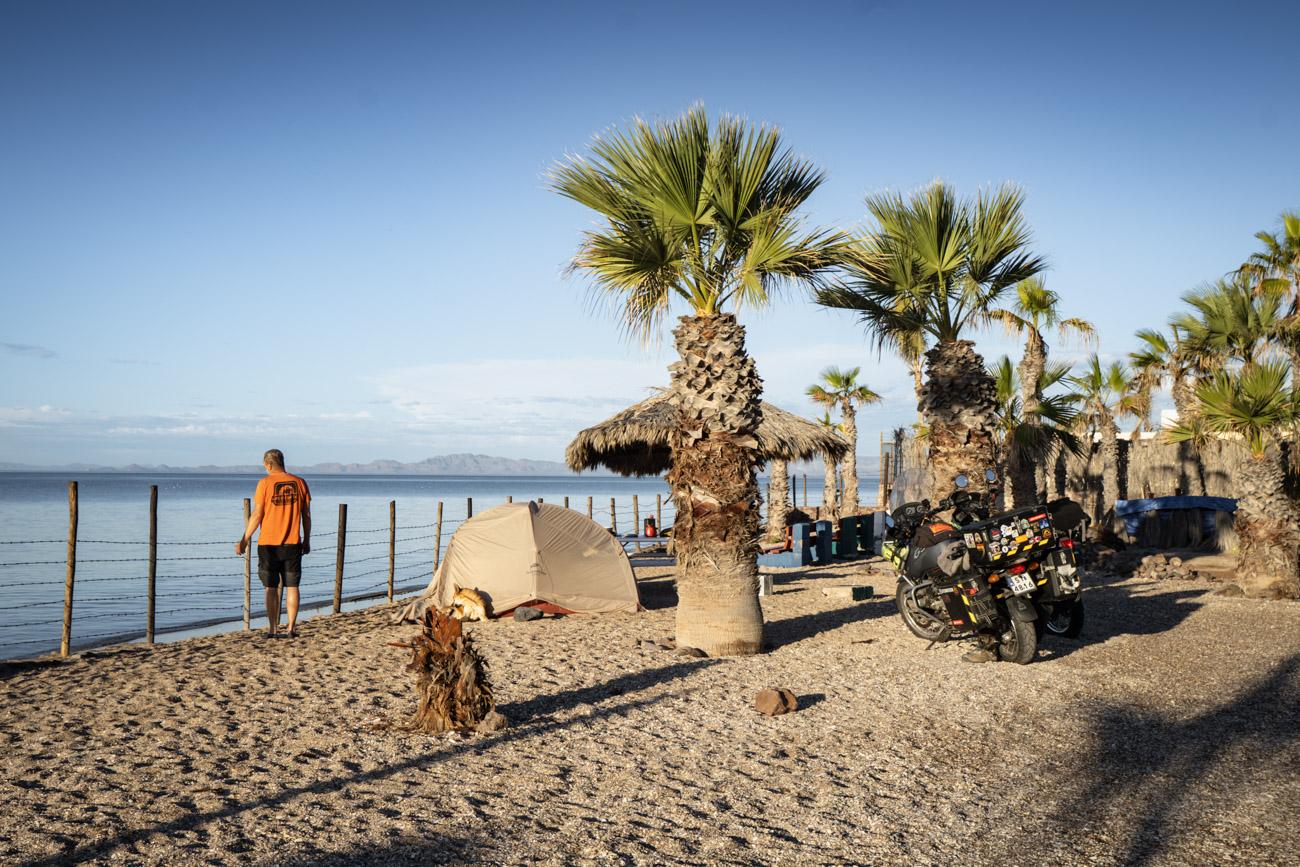
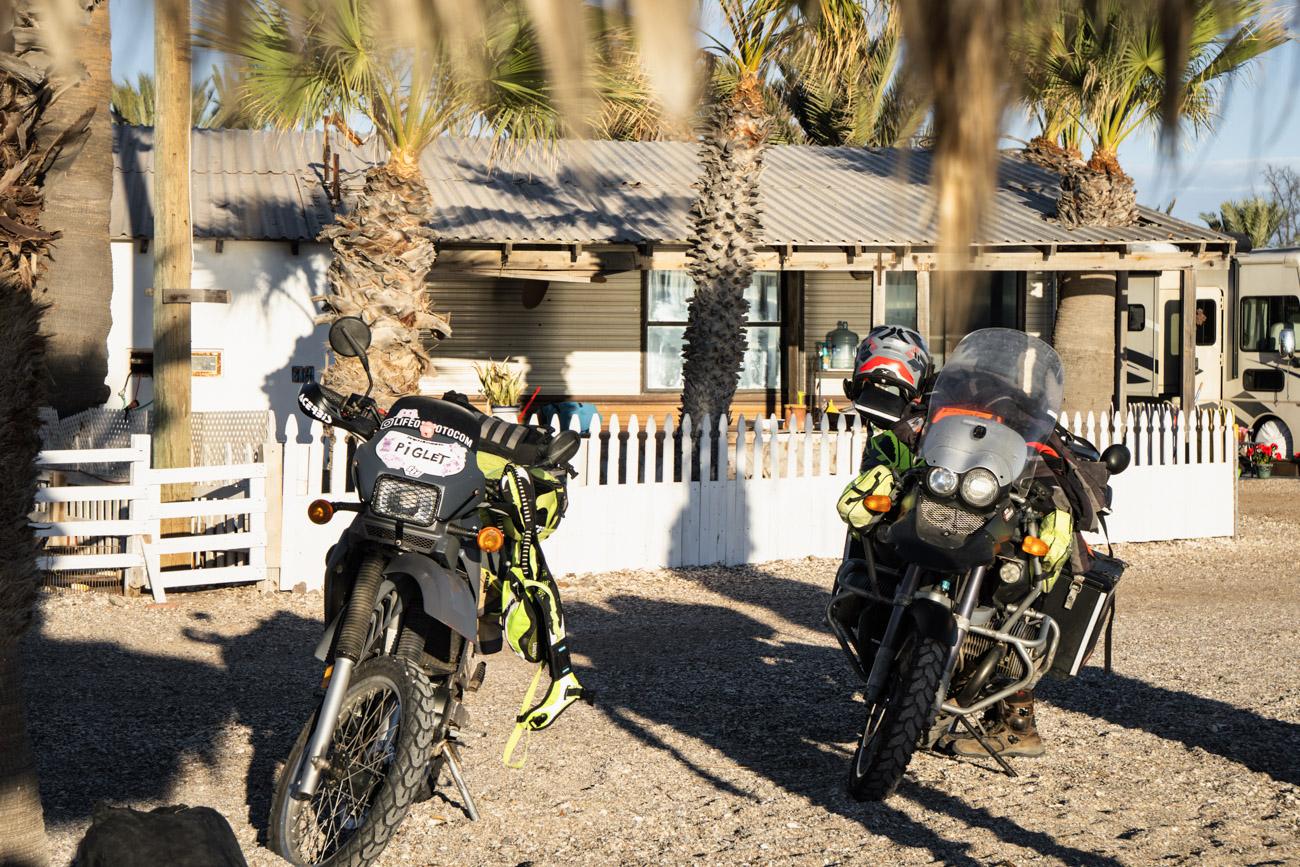
Right next to the old part of Bahia de Kino, a new, more touristy area – Kino Nuevo – has sprung up along the beach. Here, you won’t find that authentic port atmosphere or the daily life of the locals, but you’ll sense a more relaxed vibe. Life revolves around the beach: visitors bask in the sun, children build sandcastles, and restaurants set up tables on the beach where they serve more exquisite seafood dishes. There’s no shortage of bars here either, with colorful drinks and music playing in the background. Bahia de Kino and Kino Nuevo, despite their proximity, are two completely different worlds. One is simple, raw, and unfiltered, while the other is more modern, carefree, and cheerful – a bit like something out of a vacation postcard.
Christmas under the skies of Mexico
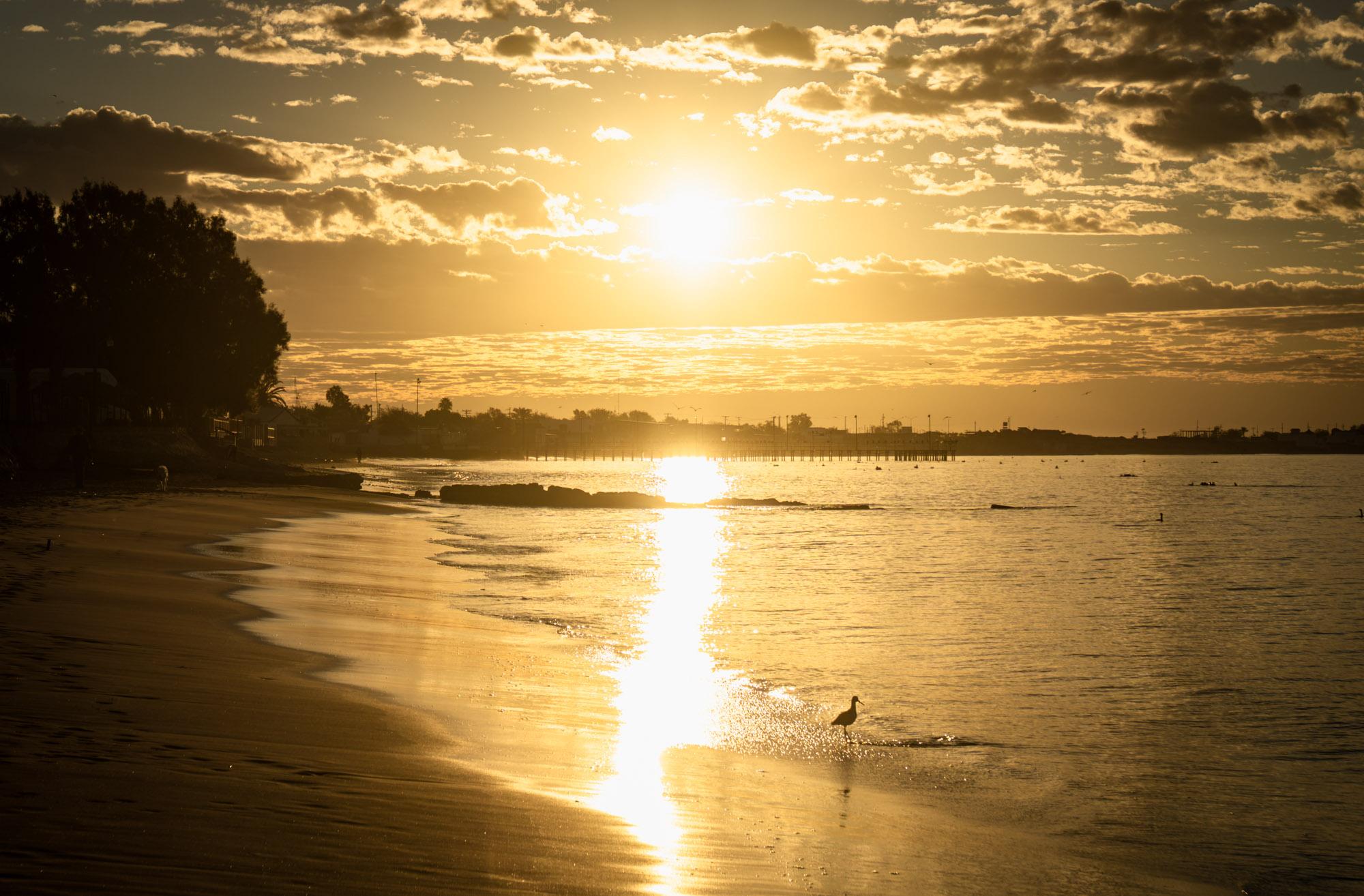
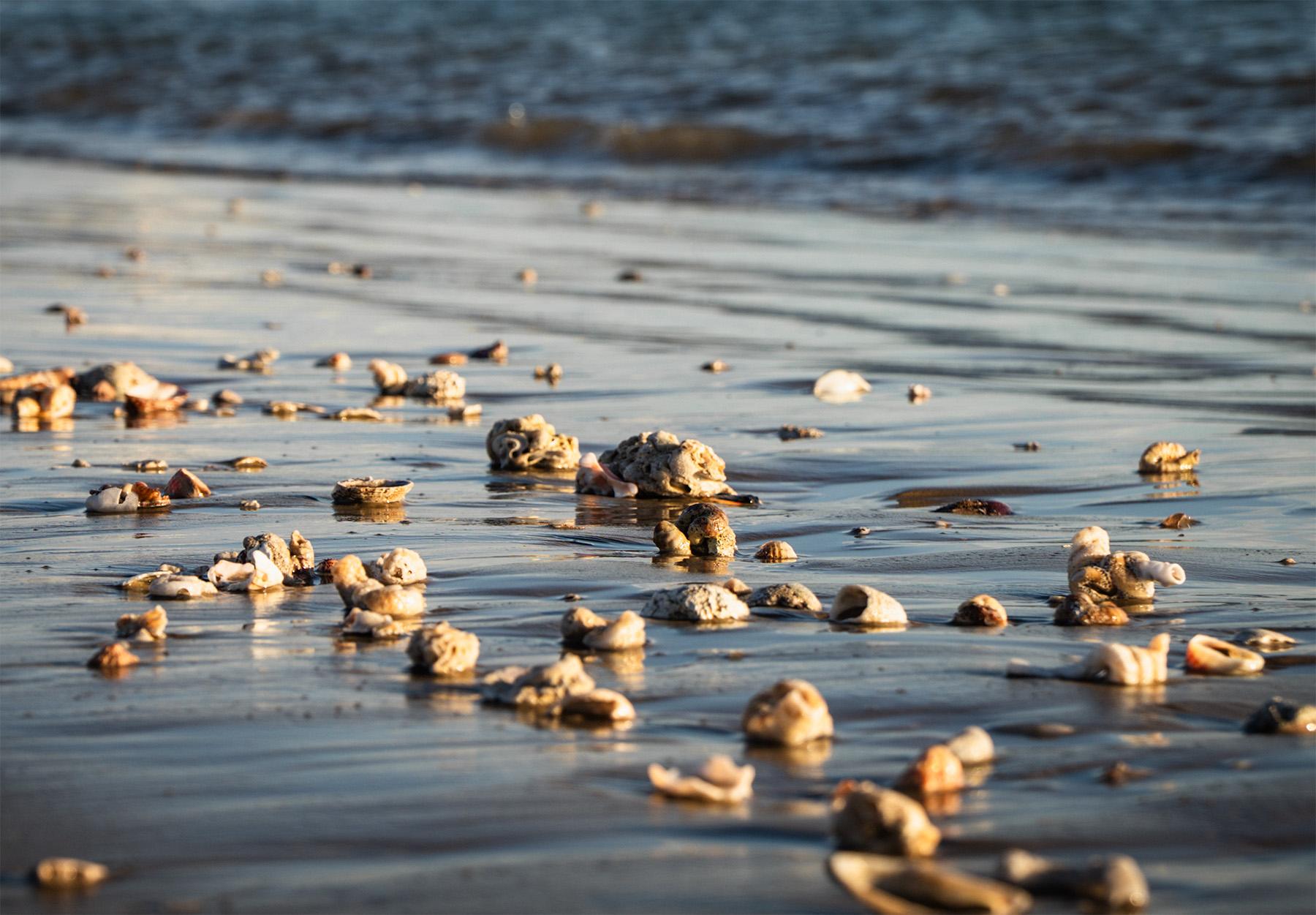
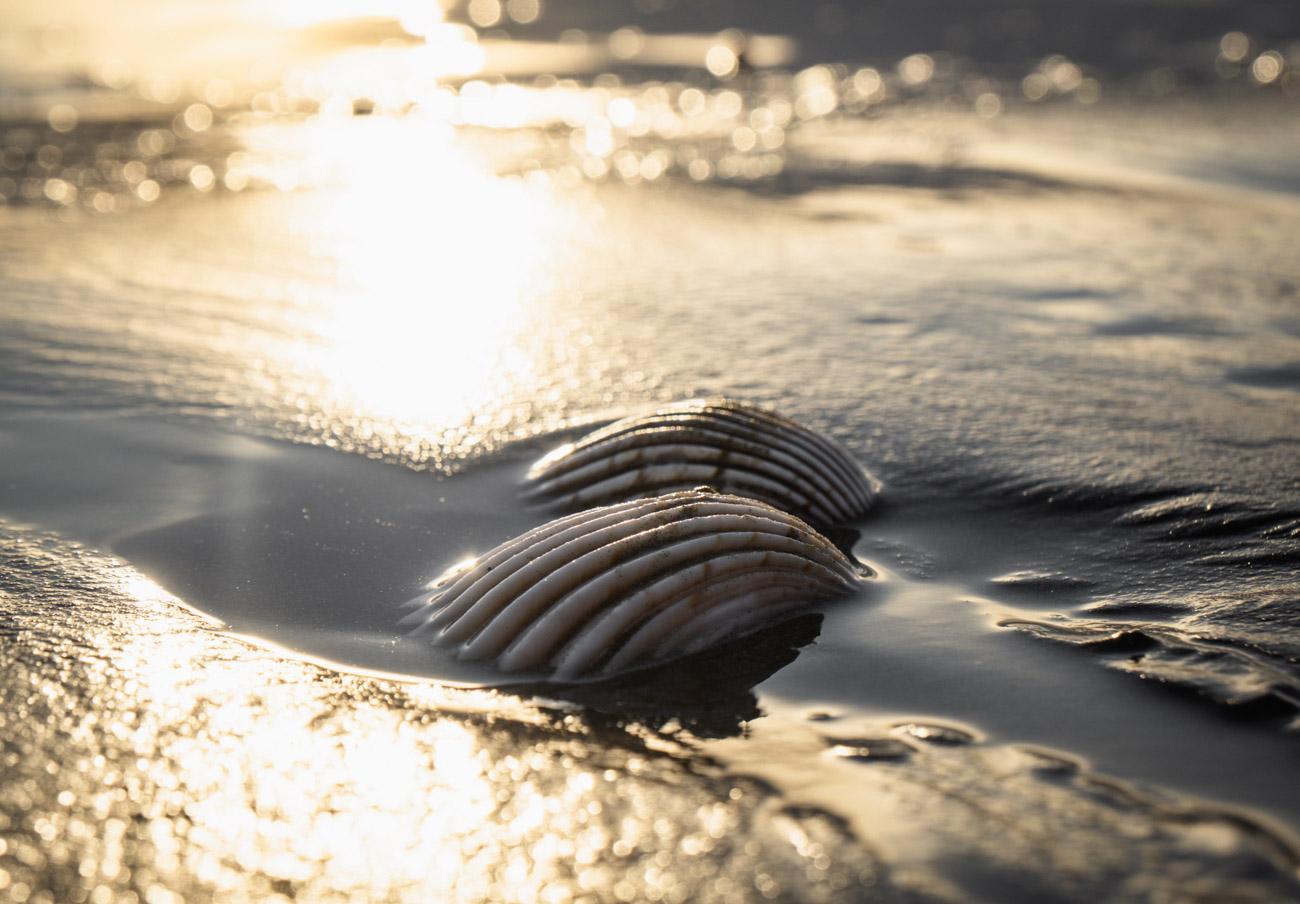
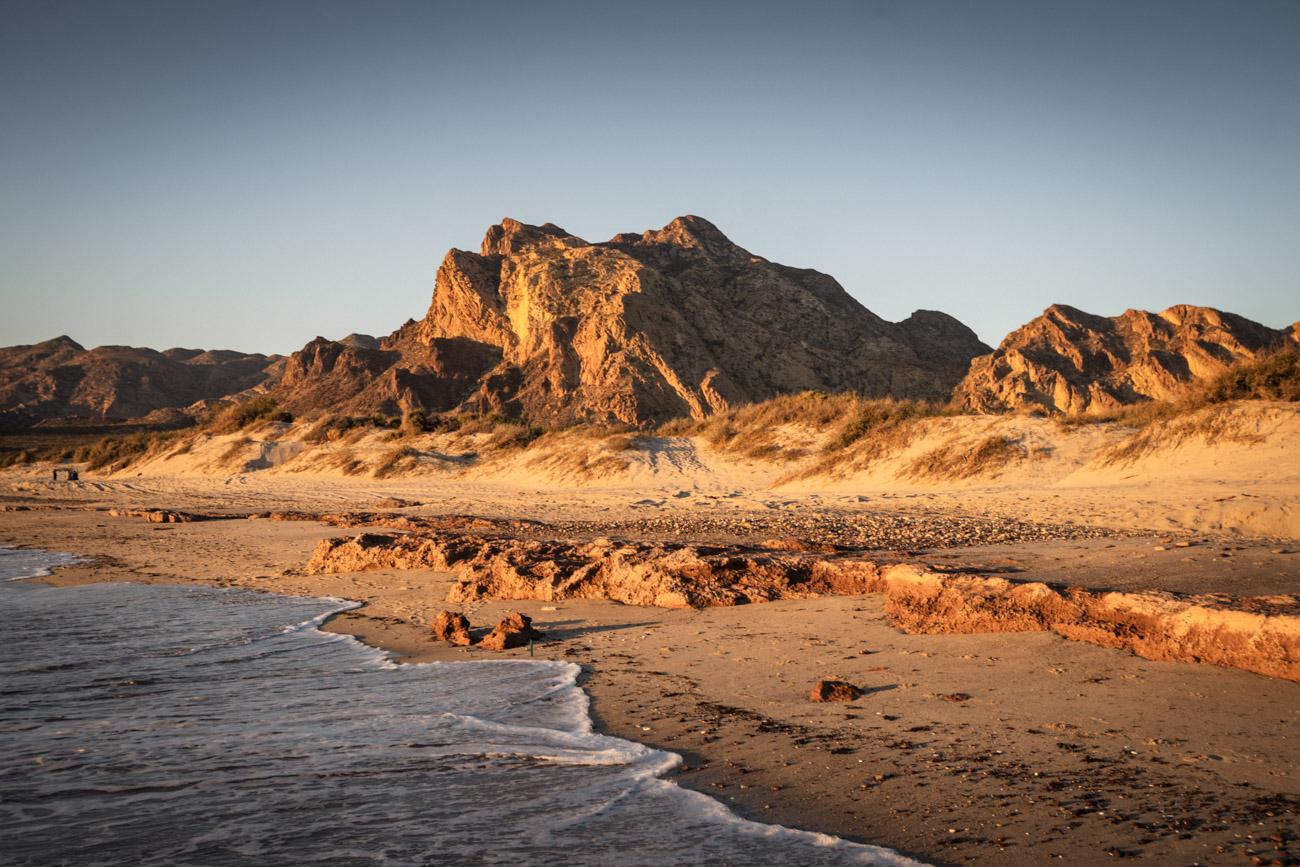
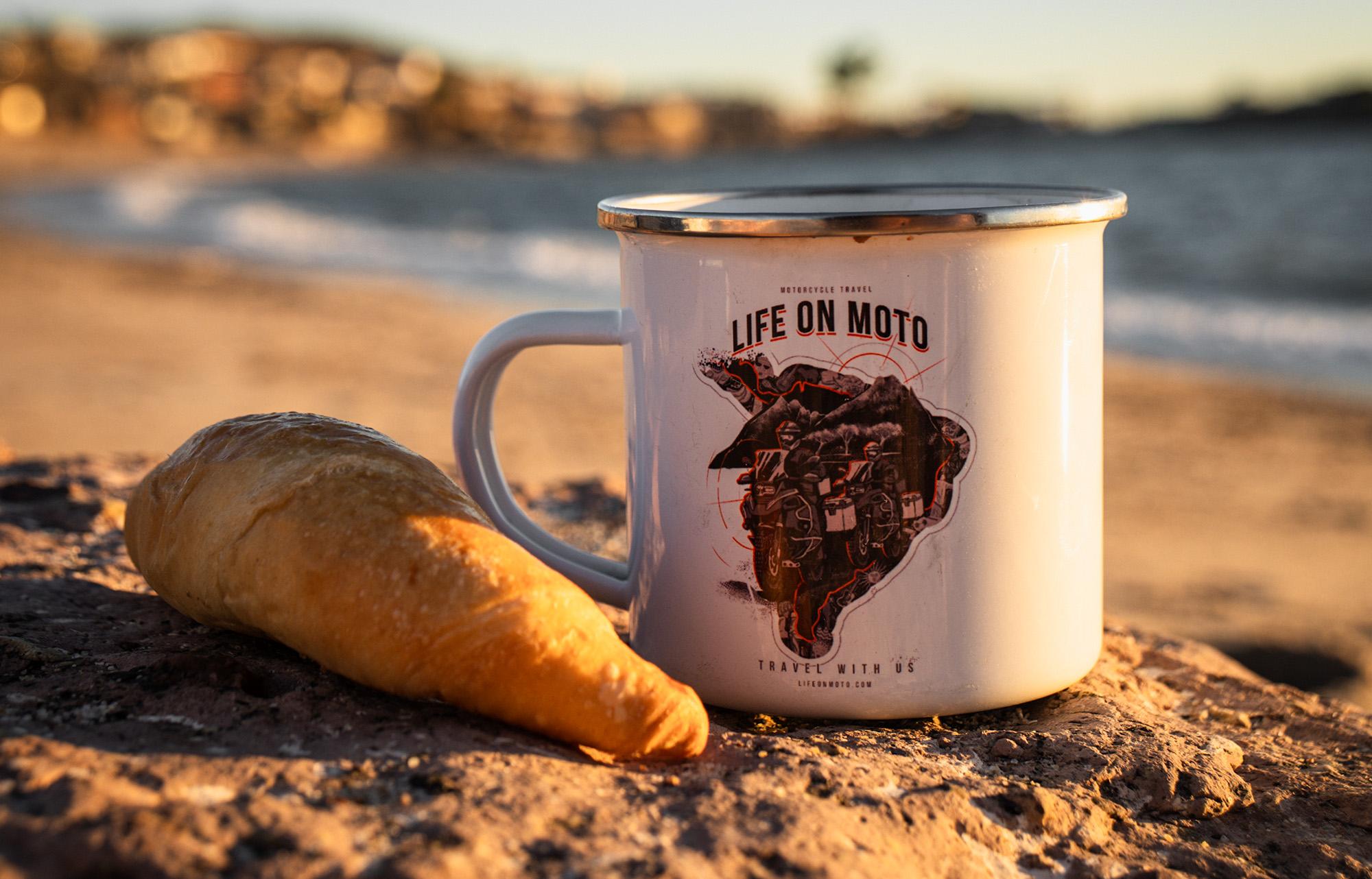
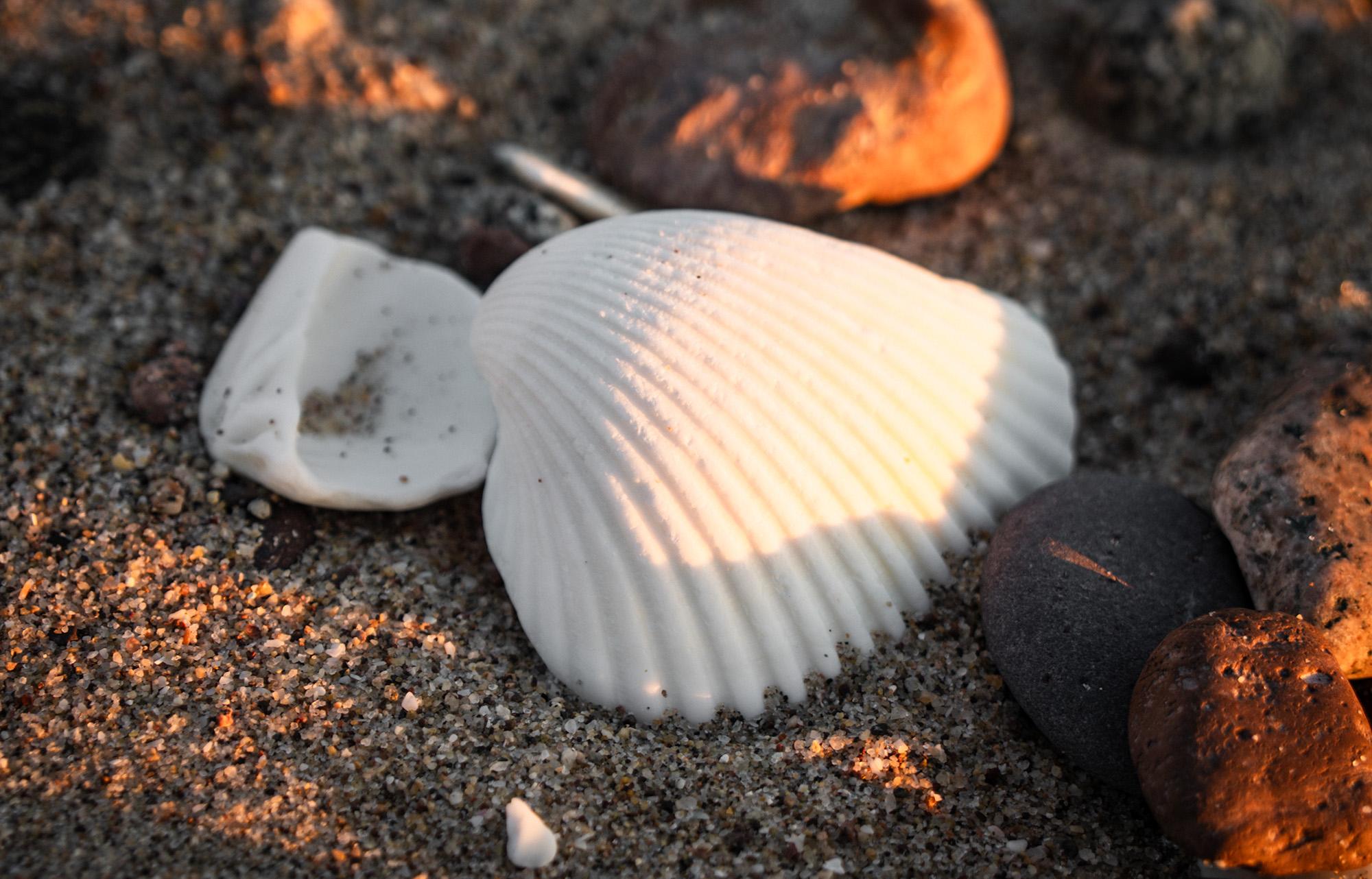
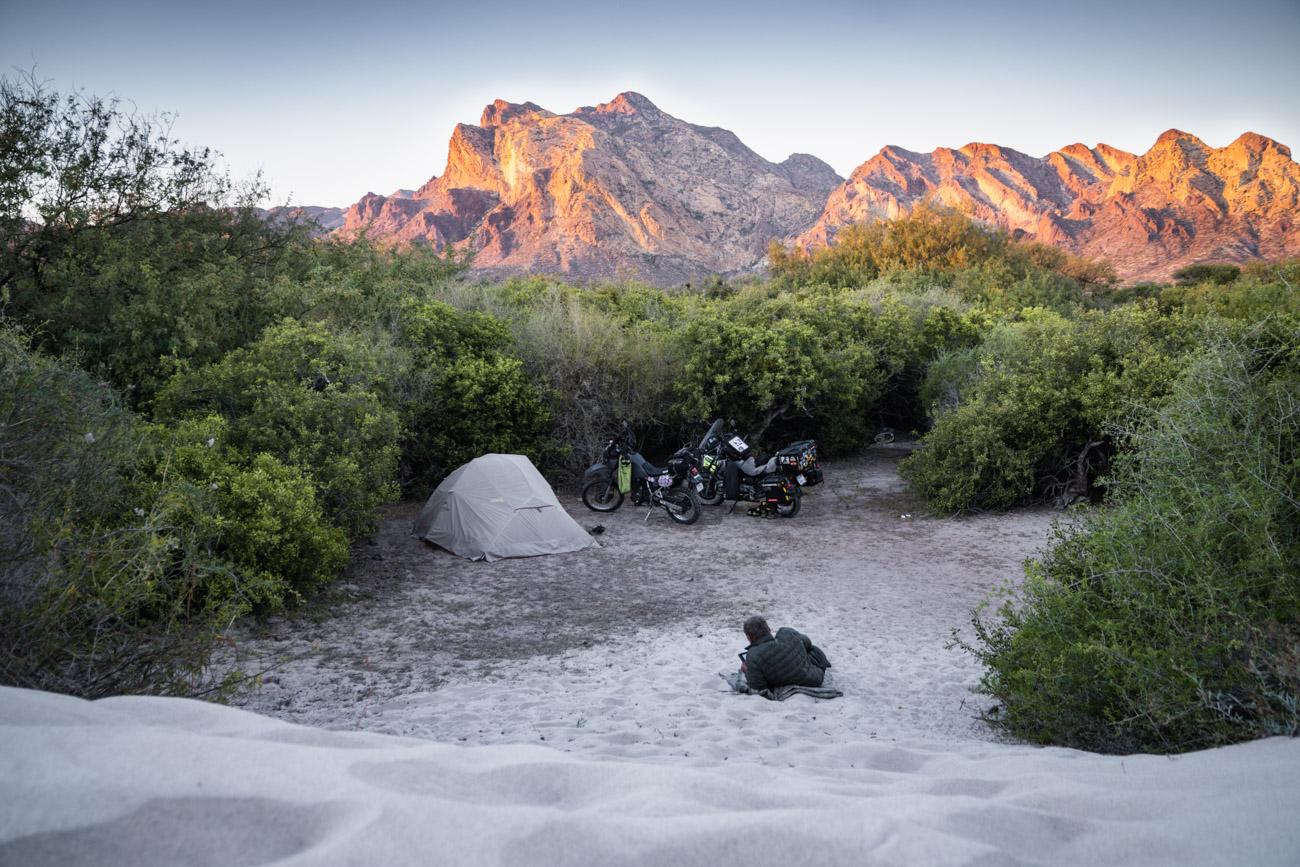
While our loved ones in Poland were sitting down to their Christmas Eve dinner, we were sitting on the beach watching pelicans glide over the waves. The beach was peaceful, wide, and completely untouched. Instead of snow, we were enveloped by the warm air from the Sea of Cortez; the sand beneath our feet was warm and very pleasant. There was no caroling, but we listened to the rhythmic song of the sea. We did miss Mom’s dumplings a little, but we had to make do with what we had and what was available in the tiny shop in the neighboring village. When the wind began to turn cooler and the moon hung low over the water, we went to our tent, which we had set up a few days earlier behind the dune next to us. We prepared a Christmas dinner, and later went to sleep, bid farewell by a million stars twinkling in the night sky.
It was one of our last days on the Sonoran coast; later, we set off through Sinaloa toward Nayarit, where we planned to spend New Year’s. At first, the road took us through dry hills covered with cacti, but the further south we went from the Sea of Cortez, the more the landscape changed. The desert colors began to give way to green, the rivers began to flow more fully, and even the air became increasingly humid and stifling. Saying goodbye to the deserts of Sonora and the agricultural lands of Sinaloa, we entered the radically different world of green Nayarit.